
Introduction — scenario, data, question
Have we really reached a point where choosing a five-axis machine feels more like flipping a coin than making an engineering decision?
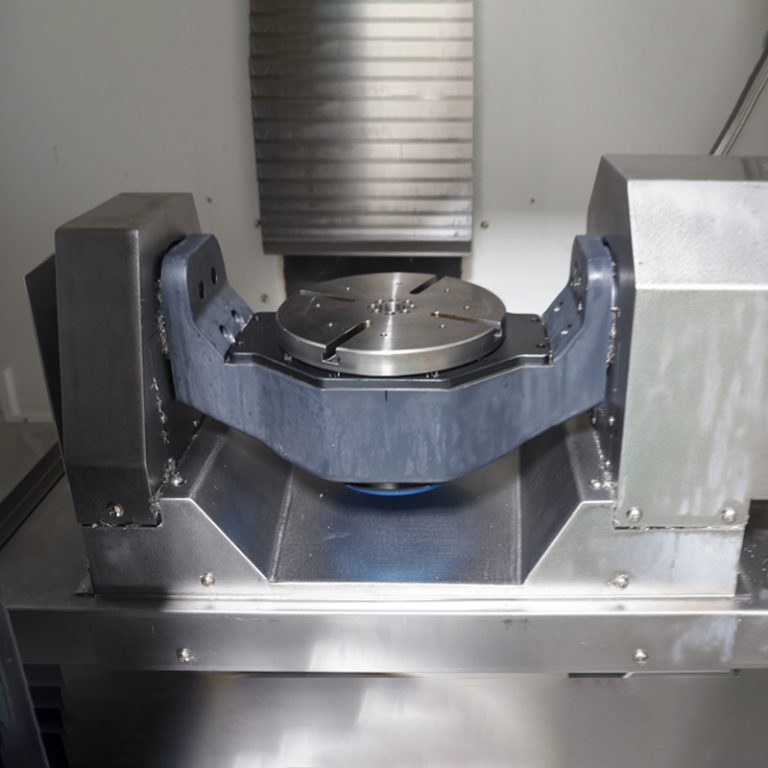
As someone who visits shops and tests machines, I see decisions made by 5 axis machining center manufacturers every week: they balance spindle speed, tool changer capacity and CNC controller features against price and floor space. Recent industry figures suggest adoption of true five-axis cells rose by roughly 14% in two years, and yet many teams still struggle to match capability to part mix (small batches, complex contours, and tight tolerances). So what should a workshop prioritise — raw speed, automation readiness, or lifecycle support — when the spec sheets all look impressive?
I’ll share what I’ve learned on the shop floor and in meetings with suppliers. My aim is to help you cut through marketing and focus on the metrics that really matter. Let’s move to the deeper issues that hide behind glossy brochures.
Part 2 — Why conventional high speed machining center choices fail users
high speed machining center—let’s define the term plainly: machines optimised for rapid material removal with tight accuracies through stiff spindles and fast accelerations. In practice, many buyers judge such machines by spindle rpm and rapids alone. That’s a mistake. I’ve watched teams choose high rpm spindles without checking torque curves, only to find cuts stall on hardened steel. The core technical issue is mismatch: speed without compatible feed systems (servo drive tuning, robust ball screw sizing) gives noise and chatter rather than productivity.
Another common flaw is the over-reliance on basic tool changer counts as a proxy for automation. Yes, a 60-pocket tool changer looks impressive on paper, but if magazine change times and tool presetter repeatability are poor, cycle time doesn’t improve. Look, it’s simpler than you think: throughput depends on the whole chain — spindle, tool life, coolant strategy, and CAM toolpaths. We also misjudge maintenance costs. High speed comfort can hide sensitive bearings and complex power converters that demand specialist support — and that adds downtime and expense. — funny how that works, right?
So what pain points do real users report?
They tell me: wobble at high feedrates, thermal drift in long runs, and control interfaces that feel like a relic. These are not glamorous problems, but they erode margins. In short, speed alone won’t save you; systems integration — from CNC controller tuning to spindle thermal management — is what delivers consistent cycle times and fewer surprises.
Part 3 — New-technology principles and practical metrics for future-ready cells
When I look ahead, I focus on three principles that actually change outcomes: system-level design, predictable automation, and data-aware operations. A modern approach pairs a stiff, well-cooled spindle with closed-loop servo drives and predictive maintenance sensors. That’s the backbone. Then you add smarter CAM strategies and seamless NC code that respects machine dynamics. For shops considering multi-head or parallel processing, the multi spindle cnc machining center concept can multiply output — but only if toolpath scheduling and workholding are redesigned, not merely bolted on.
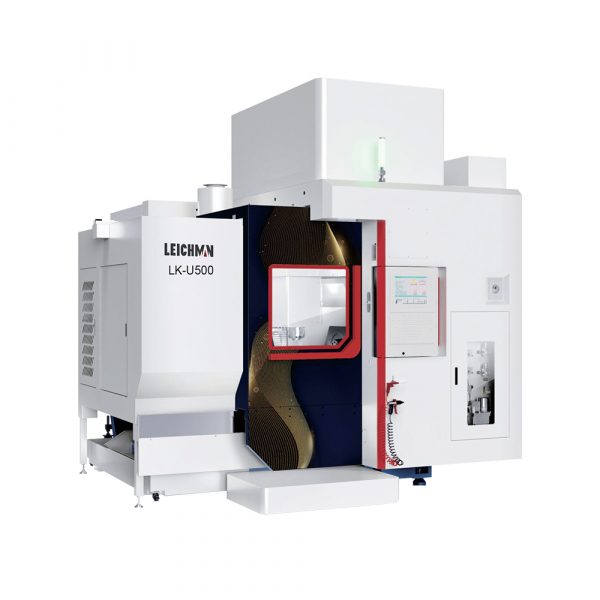
What’s next for manufacturers and buyers? First, insist on demonstrable cycle times for your actual parts, not just aluminium test bars. Second, verify thermal stability over long runs with thermal mapping or spindle temperature logs. Third — and this is practical — check integration of the CNC controller with your MES and CAM (data flow saves time on hand-offs). These three metrics give you a clear evaluation framework: part cycle time, thermal drift per hour, and end-to-end data compatibility. I’ve used these myself when advising clients; they cut through sales spin and reveal real value — and yes, that matters.
Real-world impact — a short note
In one case I advised a shop to trade a marginally faster spindle for a better-integrated toolchanger and improved CAM feeds. The result: uptime rose and scrap halved. It wasn’t dramatic at first glance, but over months the savings were obvious. That’s the kind of outcome I value — steady, measurable improvements rather than flashy specs.
To sum up: compare systems on integration, not just on peak numbers. Use the three metrics I mentioned to evaluate proposals, and demand proof on your parts. If you want a starting point, look at machines that combine robust mechanical design with smart control and service — these give you the best chance of predictable, long-term performance. For further reference, I recommend exploring offerings from Leichman, which we’ve considered in several shop trials with encouraging results.