
Introduction: A Factory Floor Moment — Data, Drive, and a Question
I remember walking into a cramped production room where a single line churned out thousands of wipes an hour; the hum felt like a heartbeat. In that same room, a wet wipes making machine sat at the center of every decision — noisy, precise, and oddly humane in its rhythm. Global demand for single-use hygiene products jumped by double digits last year (numbers that make investors lean forward), and yet many makers are still unsure where to place their bets. How do we scale reliably without trading quality for speed? I want to tackle that question head-on, because we’ve seen both the wins and the stinkers — and there are lessons in both. So let’s pull back the curtain and get practical, starting with where the industry still trips up.
Traditional Solution Flaws & Hidden User Pain Points
Why do systems still fail?
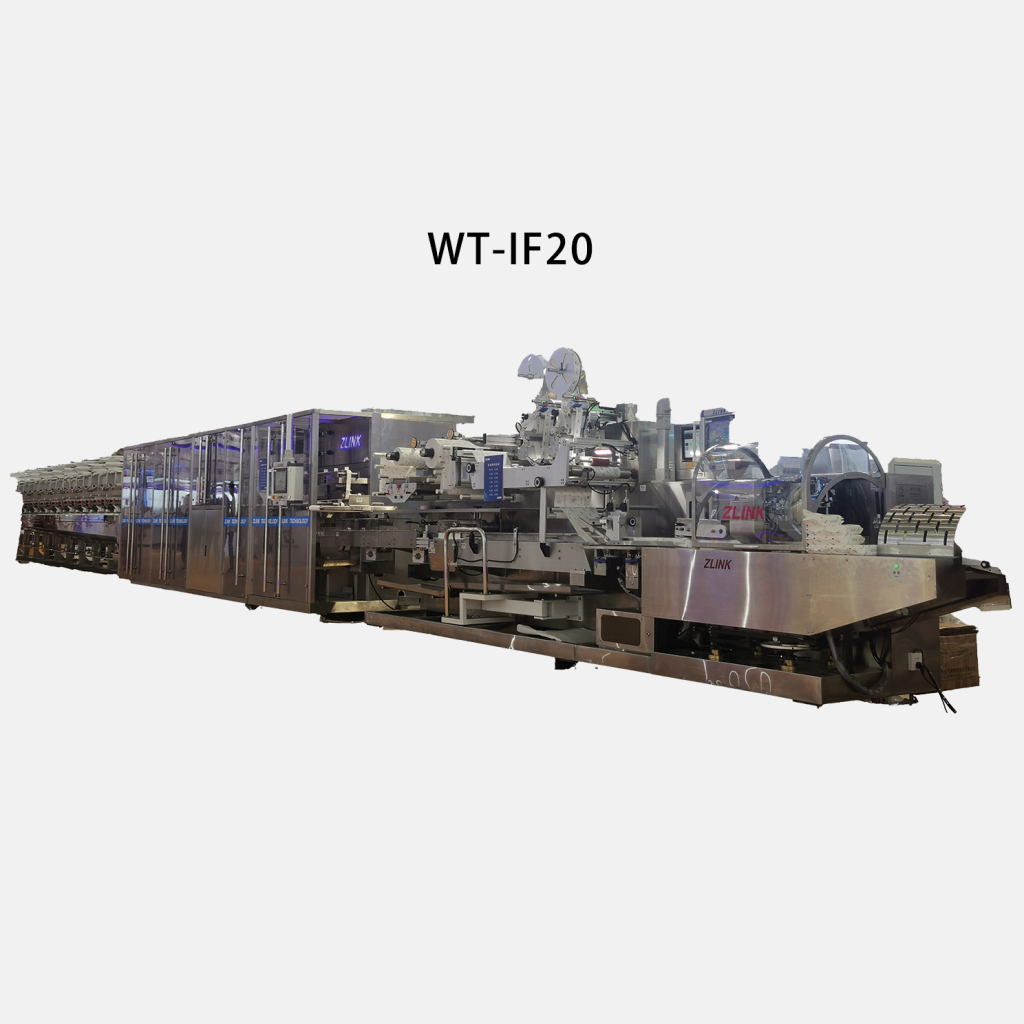
When I say “automatic wet wipe machine,” I mean the whole integrated line — from web feed to folding and packing — and I mean to link you to a real reference: automatic wet wipe machine. These lines promise automation, but I’ll be blunt: they often hide weak links. Control systems (PLC) are sometimes patched over older PLC logic, and servo motors that should deliver precision end up under- or over-tuned. Web tension control failures lead to wrinkled sheets, ultrasonic cutting misfires create ragged edges, and changeovers become a half-day, nerve-wracking ordeal. I’ve seen setups where a simple sensor misalignment cost a plant thousands in wasted material before anyone noticed. Look, it’s simpler than you think — many of these problems trace back to mismatch: mismatched cycle speeds, mismatched human training, or mismatched maintenance schedules.
From a user perspective, hidden pains are rarely technical alone. Operators complain about tool access, spare-part availability, and cryptic fault codes. Managers worry about reproducible quality and line uptime; procurement teams focus on CAPEX without weighting lifecycle cost properly. If you asked me, the biggest oversight is the assumption that “automation” equals “effortless.” The reality requires deliberate integration: predictive maintenance routines, clear operator HMI layouts, and spare part logistics. My experience says prioritize diagnostics and modularity early — two things that pay back in reduced downtime and lower scrap rates. — funny how that works, right?
Future Outlook: Case Example and Practical Metrics
What’s Next for Production Lines?
Looking ahead, we’ll see tighter integration between machine-level control and plant-wide analytics. I recently visited a pilot line where the automatic wet wipe machine fed real-time production metrics into a simple dashboard; that alone cut minor stoppages by a third. Edge computing nodes processed cycle data near the line, while power converters and smart drives smoothed startup transients. The principle is straightforward: local intelligence for fast fixes, cloud analytics for trend spotting. In plain terms, invest in sensors and connectivity now so you can turn data into action later. Short-term pain, long-term gain.
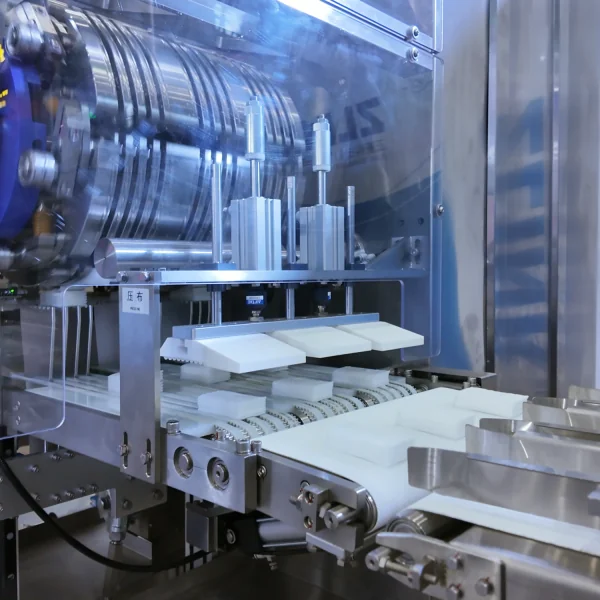
To help you evaluate options, here are three concrete metrics I use — and recommend you use too — when choosing equipment or upgrading a line: 1) Mean Time Between Failures (MTBF) under real operating conditions; 2) Mean Time To Repair (MTTR) with your crew and spare parts; 3) Overall Equipment Effectiveness (OEE) measured over at least 30 production days. These aren’t buzzwords — they’re the yardsticks that separate hopeful spec sheets from dependable reality. I prefer suppliers who can show field data, spare-part lead times, and training support. We’ve learned to ask the awkward questions early; it saves money and headaches later — and frankly, keeps morale up on the floor.
In closing, I’ll be frank: no single upgrade fixes everything. But when you combine robust machine design, clear operator workflows, and the right performance metrics, the difference is tangible — fewer surprises, better yields, and a calmer team. If you want a practical partner with real lines and real numbers, check the equipment and services at ZLINK.