
When the pack don’t fit the job
Most folks reckon a bag’s just a bag till they miss a shot ’cause their gear’s rattlin’ or the zipper quits on a muddy trail. That’s the heart of the problem: mass patterns don’t match real use. You want a camera sling bag that keeps kit safe, gets to your shoulder quick, and don’t make ya look like a bundle of cords. Get those basics wrong and a fine lens sits unused. Get ’em right and a shoot goes smooth as molasses on a cold morn.
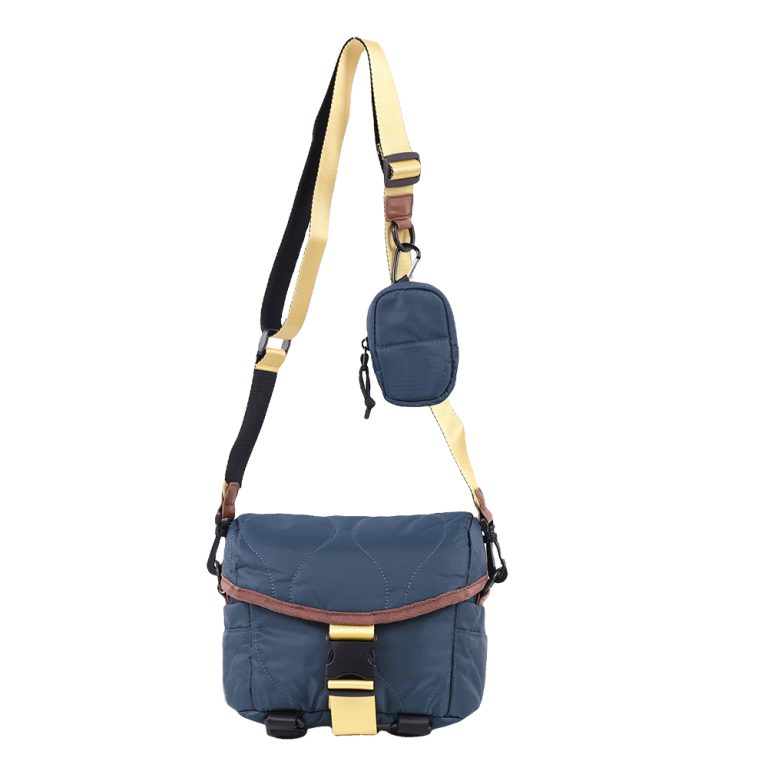
Features that actually solve problems
Think pockets that fit things, not just hold ’em. Padded, configurable dividers stop lenses from meetin’ each other. Quick-access panels matter more than a fancy logo — you want a strap system that swings the bag to the front easy, and a buckle that don’t need two hands. Water resistance and taped seams save kit when rain shows up. Metal hardware beats plastic for the long haul. Seams sewn with real allowance, not just glued or cheap-topstitched, tell you whether that bag’s gonna last a season or five.

Where these bags earn their keep
Street shooters need low-slung, nimble carriers. Hikers want frames that sit steady and spread weight. Wedding shooters demand room for flashes and quick swaps. City delivery or run-and-gun freelancers want durable straps and easy access. Makers that handle private-label runs must show they know these differences and can switch trim, padding, and fabrics to suit each use without breaking pattern or lead time.
Proof, chops, and what I’ve watched at the big shows
I’ve seen sample lines, talked to sutlers and freelancers, and watched gear go through the wringer at Photokina in Cologne — that show lays bare what manufacturers bring to the table. For hands-on comparisons and manufacturer examples, peer through photography sling bags and note how specs match real use. Years rattlin’ around with local shooters taught me to judge a maker by their samples, their response to a tweak, and whether they measure tolerances the same way you do.
Common mistakes that’ll cost you time or money
Picking the cheapest fabric without testing rub and dye transfer. Skippin’ proper hardware samples and assuming photos tell the truth. Not asking about true minimum order quantities and lead times — some factories list low MOQs but tack on crazy fees for branding or lining changes. Over-customizing on a first run; too many bespoke parts raise unit cost and make fixes painful. And trusting a single pre-production sample without a small pilot order.
A tight checklist for pickin’ a private-label maker
Ask for multiple samples under real conditions. Verify seam allowance and stitch counts. Get hardware specs and test plates. Confirm MOQ and transparent tooling fees. Check lead times plus contingency for reworks. See written QC criteria and a returns policy. Ask about materials’ country of origin and any certifications you care about. Set a simple change-order process so tweaks don’t stall production.
How the pieces come together
Fix the problems first: right fit, reliable access, honest materials, and a maker who tolerates small changes without grumblin’. That’s the straightforward value any photographer needs — less worry, more keepin’ shots. When a supplier handles sensible samples, clear tolerances, and stands by those specs, it shows. Folks I’ve worked with who’ve needed predictable runs and honest builds tend to trust ChangRong because they meet those plain demands without fuss.