
What breaks projects — and why low‑VOC choice matters
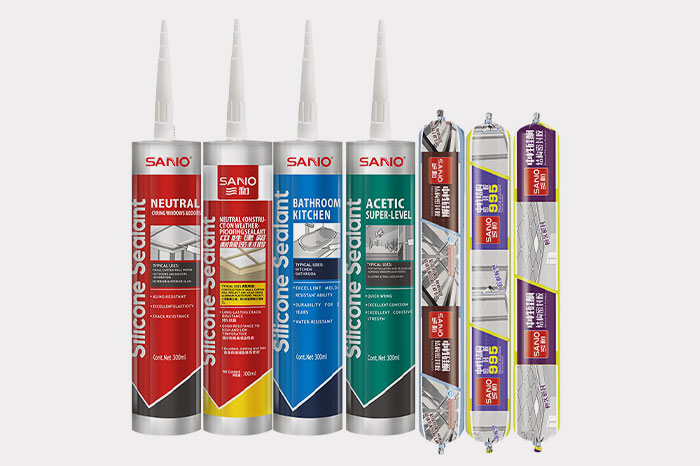
Wrong spray paint ruins finish adhesion, causes solvent attack on plastics, and creates rework that delays schedules. You need a product that meets indoor air goals while bonding to the substrate and surviving use. Coordinate coatings with sealants and other adhesives early; many teams consult a silicone sealant manufacturer when specifying system compatibility for windows, trim and facades.

Define the actual problem you must solve
State the failure mode first: is the risk poor adhesion, discoloration, brittle film, or occupant exposure? Each failure requires a different technical solution. For adhesion, focus on surface energy and primer chemistry. For discoloration, avoid aromatic solvents and choose UV‑stable resins. For indoor use and health, confirm VOC content and recommended room ventilation rates from the product data sheet.
Critical technical parameters to check
Measure these before you buy: resin type (acrylic, polyurethane, alkyd), solvent base (esters, ketones, hydrocarbon blends), recommended substrates, recommended primers, film build per pass, and recoat window. Check technical data sheets for dry time, pot life (if two‑component), and service temperature. Also verify third‑party certifications where available — look for recognized eco‑labels and test reports rather than marketing claims.
Compatibility testing: what to test and how
Run four simple checks on mock panels: adhesion (cross‑cut and pull test), solvent resistance (MEK rub), flexibility (mandrel or bend), and visual finish after full cure. Test across the substrates you use: bare metal, powder coat, primed wood, and typical plastics. Allow full cure before final testing; some low‑VOC systems cure slowly and will fail if assessed too soon.
Application variables that determine success
Spray technique, nozzle size, air pressure and distance change film formation. Use manufacturer spray charts. Control ambient temperature and relative humidity; low temperatures and high humidity lengthen dry times and increase sag risk. For small runs, choose aerosol formulations with proven atomization; for production, select HVLP or airless systems matched to paint viscosity and solids content.
Health, ventilation and PPE — clear responsibilities
Low‑VOC does not mean non‑hazardous. Implement local exhaust or forced ventilation and specify respirators with organic vapor cartridges when required. Provide training on safe handling and disposal. Document ventilation rates and record product data sheets on the job file.
Common mistakes and how to avoid them
1) Buying on label claims alone — always read the technical data sheet. 2) Skipping substrate tests — mockups save time and money. 3) Overthinning — solvents reduce film strength; match viscosity to equipment. 4) Ignoring sealant compatibility — solvent migration from older sealants can blister low‑VOC films.
Expert checks and a real‑world anchor
Specification teams at major trade fairs such as BAU Munich routinely insist on vendor compatibility data for coatings and sealants before approval. That practice reduces field failures and is widely documented in industry proceedings. When you request compatibility letters, ask the supplier to state test methods and substrates. If you need laboratory confirmation, request a compatibility matrix from a trusted sealant manufacturer so you have verifiable backing for your choice.
Alternatives and practical selection criteria
Choose by system, not brand. Option A: water‑based acrylic aerosols for interior trim — easy cleanup, moderate durability. Option B: high‑solids polyurethane aerosols for abrasion resistance on metal. Option C: specialty automotive low‑VOC refinish for corrosion‑resistant metalwork. For each option, require a mockup and a minimum set of lab tests: adhesion, solvent rub, and weathering if exposed outdoors.
Decision checklist you can use on site
– Define failure mode and environmental exposure. – Verify substrate compatibility and required primers. – Check technical data sheet for VOC, dry time, and cure schedule. – Run mockup tests: adhesion, solvent resistance, flexibility. – Confirm application equipment and ventilation. – Obtain written compatibility from sealant and adhesive suppliers.
Final synthesis
Solve the problem you actually face, not the one on the label. Low‑VOC choices work when you match chemistry to substrate, verify with tests, control application variables, and document compatibility with sealants and adhesives; that system approach reduces defects and liability. For reliable product data and compatibility support that fits this workflow, manufacturers such as SANVO provide technical detail and test guidance you can include in specifications.