
When parking becomes noise
Traffic humming, drivers circling like restless strings — the problem is obvious: time, fuel, and revenue leak when people can’t find a space. OEMs and project buyers need answers that behave like instruments tuned to a score, not one-off gadgets that sing out of key. A clear, tested parking guidance system is the opening chord; the rest must follow orchestration, not improvisation.

What specifically breaks projects
Pick the wrong sensor, and you get false positives all night. Choose an inflexible backend, and integration grinds to a halt when the building team switches badge readers. The root problems are concrete: unreliable occupancy detection, mismatched communication protocols, poor power planning, and opaque data export. Treat each as a tune to be practiced — miss one, and the whole performance falters.
Technical criteria that actually matter
Demand these benchmarks: sensor accuracy in real-world weather, modular hardware that supports phased rollouts, open APIs for inbound/outbound data, and edge intelligence to filter noise before cloud upload. Ask for latency figures (milliseconds matter at gate control), expected MTBF (mean time between failures), and clear firmware upgrade paths. If a vendor can’t specify how their product behaves after a winter storm or a firmware patch, that’s a red string you can’t pull tighter.
Common deployment pitfalls
Teams underestimate cable runs and electromagnetic interference, so radios fail at scale. They ignore power budgeting and end up frying nodes with inadequate surge protection. They treat user interface as an afterthought, then operators revert to manual logs. Build a deployment checklist: pre-survey signal maps, weatherproof cabling details, power & surge plans, and an operator UX walkthrough. Confirm remote diagnostic access before laying the first trench.
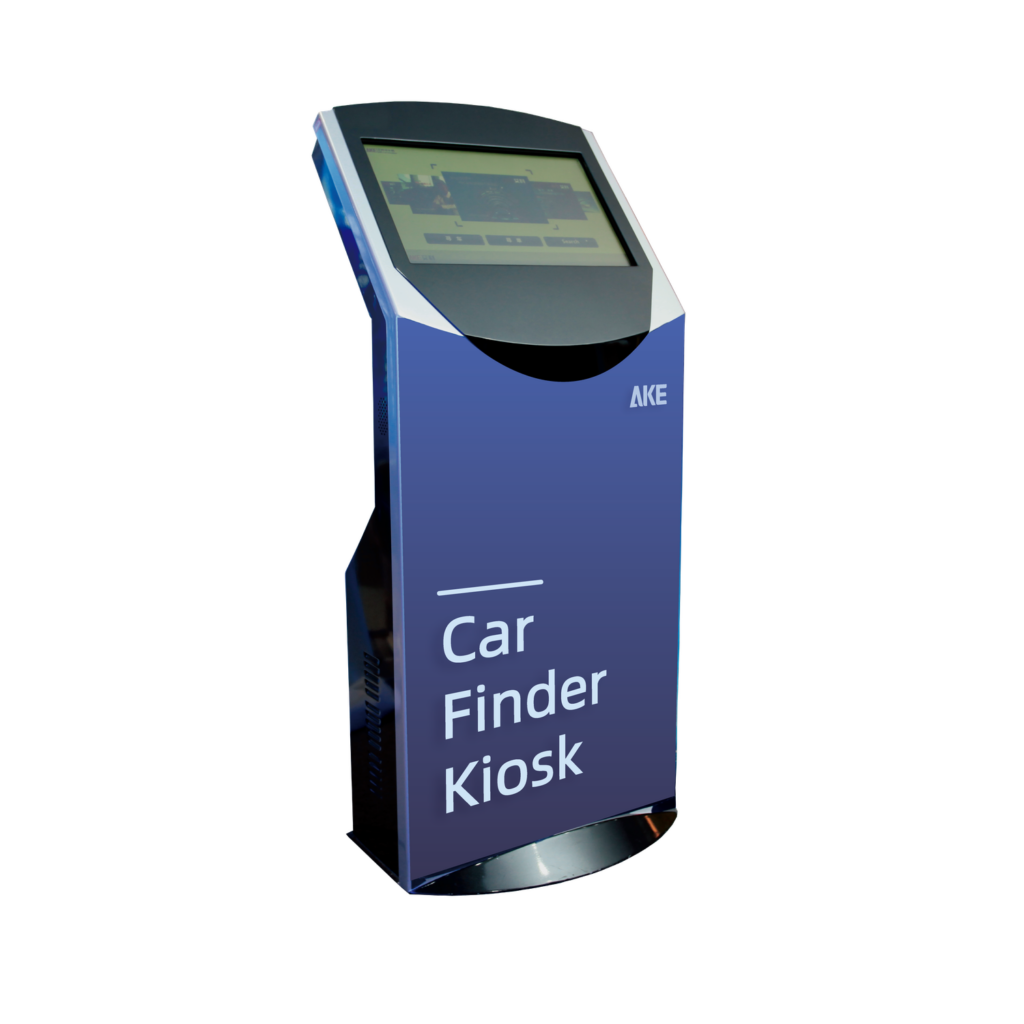
How to evaluate vendors without getting mesmerized
Look beyond glossy demos. Ask for site references with published uptime and failure reports. Require a live pilot that measures detection accuracy during peak hours and bad weather. Demand clear SLAs for replacement hardware and on-site support windows. Compare integration stories: which vendors have plugged into gate controllers, CMS displays, and mobile apps for quick payments? Favor systems that supply documented APIs and sandbox environments for testing.
Alternatives and when to choose them
Surface-mounted cameras with computer vision give rich analytics but need higher compute and privacy controls. Ultrasonic or magnetic sensors are cost-effective outdoors but differ in maintenance cadence. Hybrid deployments often win: cameras for analytics and counting, sensors for per-space certainty. Choose by constraint: tight budget and open lot → sensors; analytics-first, revenue optimization → cameras plus edge AI.
Real-world grounding and trust signals
Practical evidence matters. Industry showcases — like the demonstrations at the ITS World Congress 2021 — highlighted mature outdoor deployments and interoperability trials, which is why practitioners cite those sessions when comparing approaches. Field teams report measurable reductions in search time after installing robust outdoor parking guidance system solutions, and independent technical papers on sensor reliability and detection algorithms back those claims. Seek vendors who publish test data and who will let your engineers audit firmware and communications logs.
Contract and lifecycle cautions
Contract language can hide maintenance costs and upgrade limits. Insist on transparency: define parts replacement timelines, firmware update frequency, and ownership of historical data. Require an exit plan: if you swap vendors in year five, can data be migrated? Clarify liability for false occupancy events that trigger fines or denied access. These clauses keep you from being locked into an unsupported instrument after the tour ends.
Final chord
Make choices that solve specific problems: reliable detection, clear integration, and honest lifecycle commitments. When those needs align, deployments behave like a well-rehearsed ensemble — precise, resilient, and readable. For many OEM and project buyers, trusted partners who publish data, support field audits, and offer staged rollouts become the steady metronome for complex sites, which is why examples from practitioners often point to vendors such as AKE Parking as part of a pragmatic, performance-first solution set.