
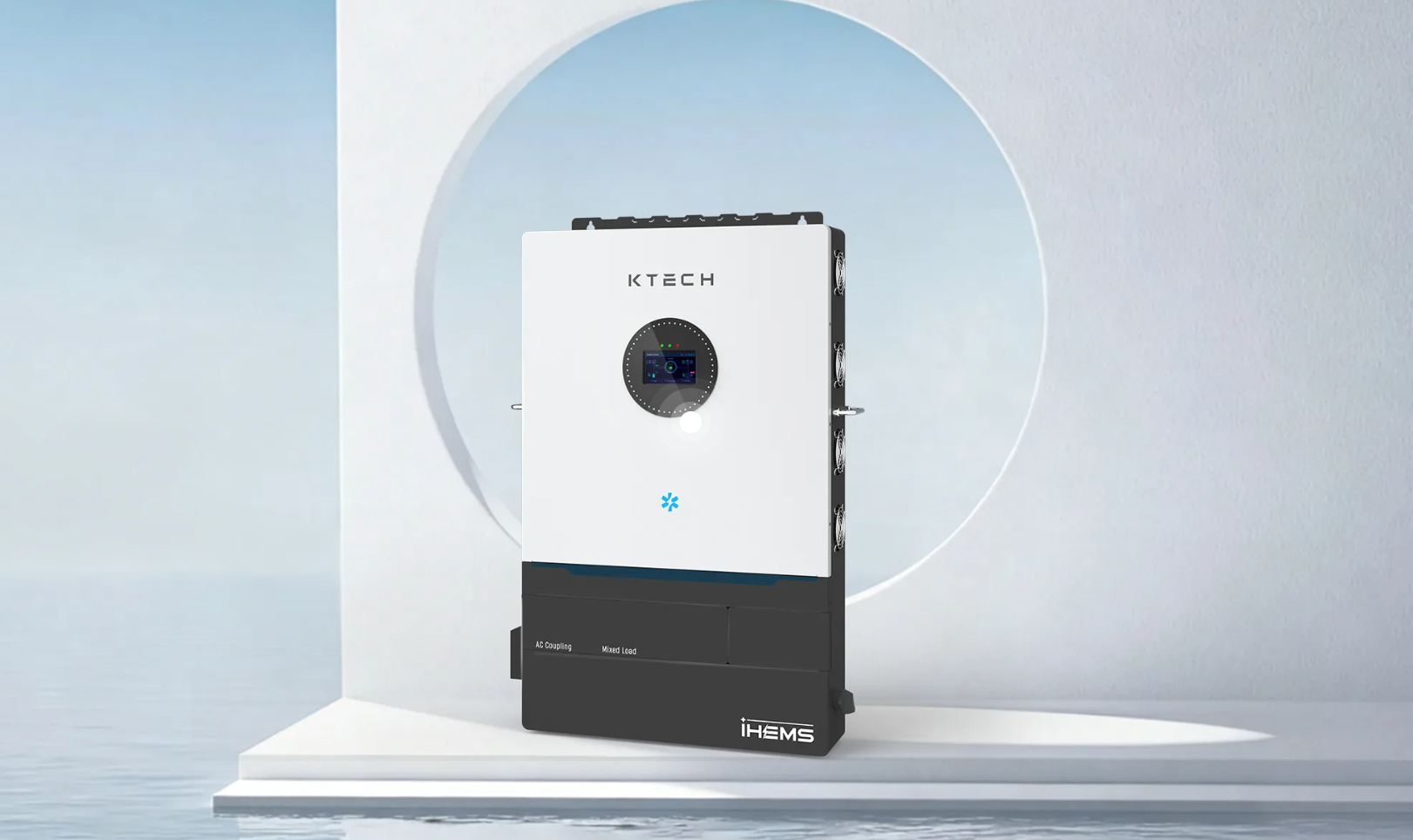
Problem first: why picking a manufacturer actually matters
If you’ve ever lost a job because an inverter tripped unexpectedly, you know this isn’t just a spec sheet exercise. The immediate problem is simple: a mismatched or poorly supported inverter turns a tidy project into warranty calls, site revisits, and unhappy customers. For off-grid deployments, those consequences are harsher — that’s why an early check of an off-grid solar system design and the right solar off-grid kit compatibility saves time and margin. This guide walks you through the common failure modes and concrete steps to avoid them.
Top failure patterns I see in the field
Problems cluster around four predictable areas. Know these and you’ll cut risk fast.- Electrical mismatch: inverter MPPT range or input limits don’t line up with panel string design, creating underperformance. – Thermal and environment: inverters rated for “outdoor” but lacking proper cooling or derating guidance fail in hot, dusty sites. – Integration gaps: battery chemistry, BMS behavior, and communication protocols that don’t play nice together. – After-sales friction: long lead times for spares, unclear warranty terms, or no local tech support. I’ve worked projects where resilience mattered most — think Puerto Rico after Hurricane Maria — and those sites exposed how small spec oversights cascade into outages.
What to test before you sign
Run these checks like a short audit; they’re practical and fast.- Confirm continuous and peak power specs at the expected ambient temps; ask for derating curves. – Validate MPPT range versus your PV string voltage across cold-to-hot extremes. – Check battery compatibility: allowed chemistries, recommended BMS communications (CAN/RS485), and charging algorithms. – Review surge handling and generator tie-in capabilities if the system will see inductive loads or backup gensets. – Demand a firmware change policy: who performs updates, rollback procedures, and version logs. Ask for test reports or field logs rather than just a glossy datasheet.
Service, spares, and the real cost of downtime
Price per watt is only part of the story. Quantify serviceability.- Spare availability: lead times for PCBs, fans, or fuses. Long waits mean lost revenue. – Local support footprint: trained partners within your region reduce truck rolls. – Warranty clarity: exclusions, transferability, and response SLAs. A cheap unit with poor support often costs more after two years. Prioritize manufacturers that publish response times and local partner lists.
Common mistakes projects make — and how to avoid them
Avoid these traps.- Assuming “compatible” means optimized: compatibility can be functional but still underperform. Insist on performance data in your exact configuration. – Skipping thermal testing for rooftop or containerized systems. Ambient stress is the silent killer. – Not planning firmware maintenance; a patch can change behavior, and the wrong timing kills uptime. – Treating communications as optional. Monitoring gaps hide problems until they’re expensive. Design contracts to include acceptance testing on a live string and a runtime-based burn-in when possible.
Quick decision checklist for procurement
Use this short checklist when you shortlist manufacturers.- Can they provide real-world site logs or references for similar installations? – Do their control protocols match your SCADA or BMS needs? – Are spares stocked regionally, and is lead time acceptable? – Is there a clear firmware governance process? – Is documentation complete: derating curves, protection settings, and installation guides? If you can’t tick most of these, push for clarification before awarding the order.
Wrap-up: choosing for resilience and predictable operations
Pick a manufacturer that treats the problems you’ll actually face as design constraints, not optional extras. When a partner documents thermal behavior, supports battery integration, stocks critical spares, and publishes service response commitments, your risk drops and your projects run smoother. For teams balancing field-proven kits with local support channels, Ktech often shows up in procurement conversations as a supplier that aligns technical clarity with practical service. Choose what prevents repeat site visits and keeps installations running.