
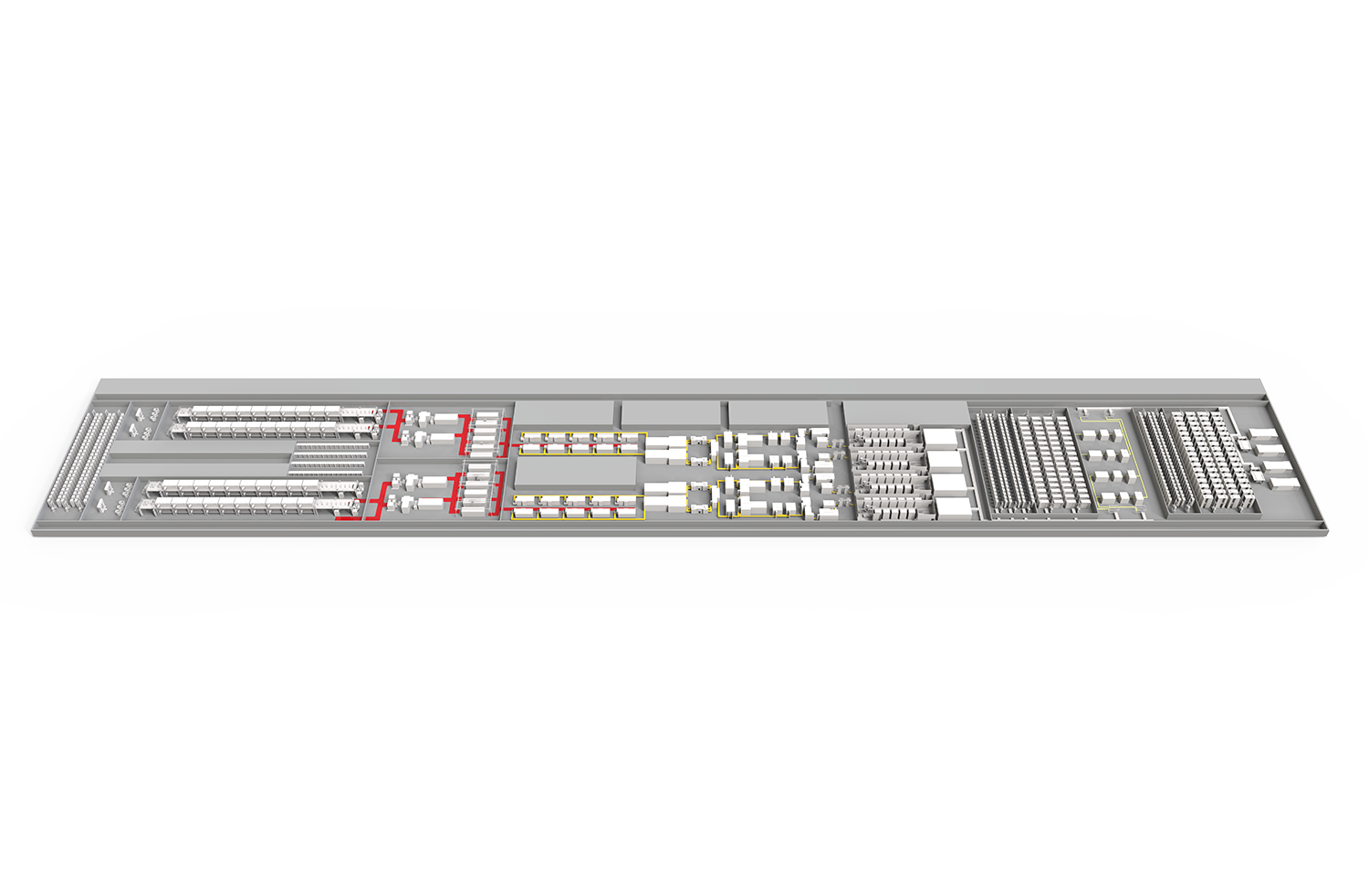
Imagine a scenario where the need for energy storage is more critical than ever. Recent data indicates that global energy demands continue to rise—projected to increase by 28% by 2040. In such a landscape, prismatic cells emerge as a powerful solution to meet these challenges. These modern energy storage systems offer several advantages over their cylindrical counterparts, providing better space efficiency and enhanced thermal management.
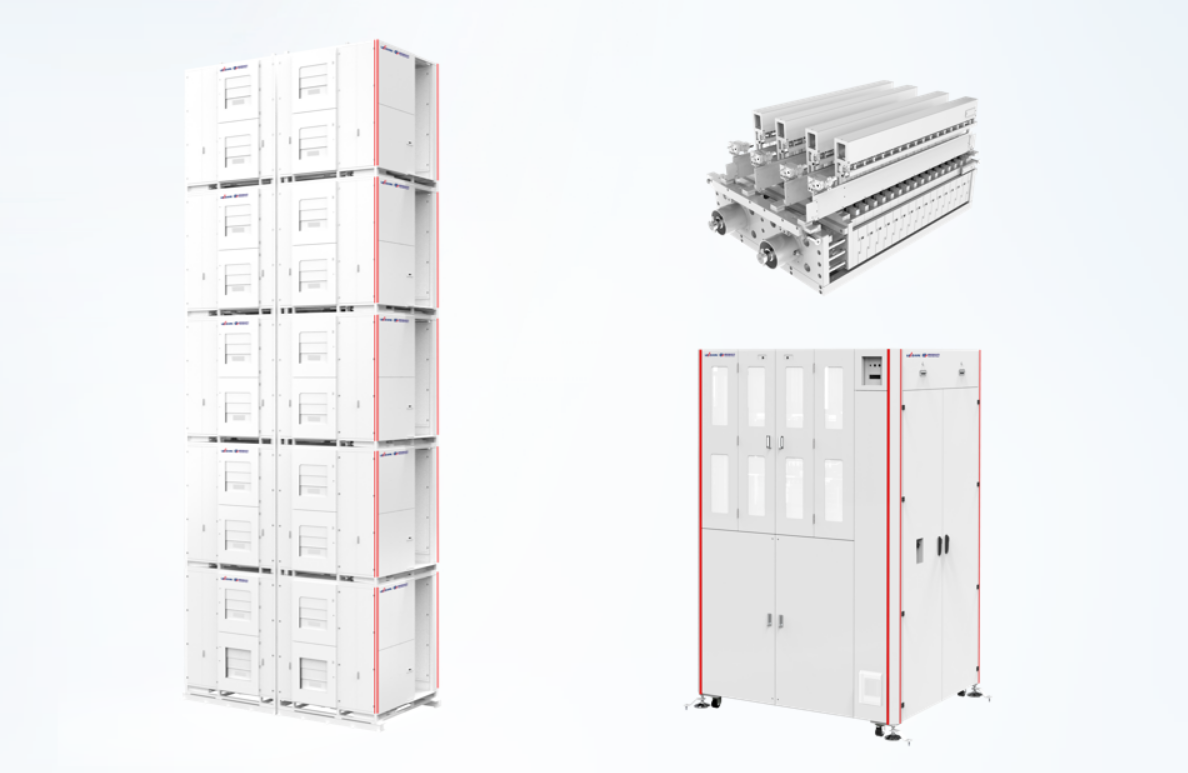
Flaws of Traditional Energy Storage Solutions
Traditional cylindrical batteries have been the industry standard for years, but they come with notable flaws. They often struggle with space optimization—leading to wasted volume in devices. Furthermore, the thermal management in these batteries can be less effective, resulting in overheating. Why do failures always occur during critical applications? One of the primary reasons is the inefficiency of energy distribution in these conventional batteries, which can lead to performance lags and potential safety hazards.
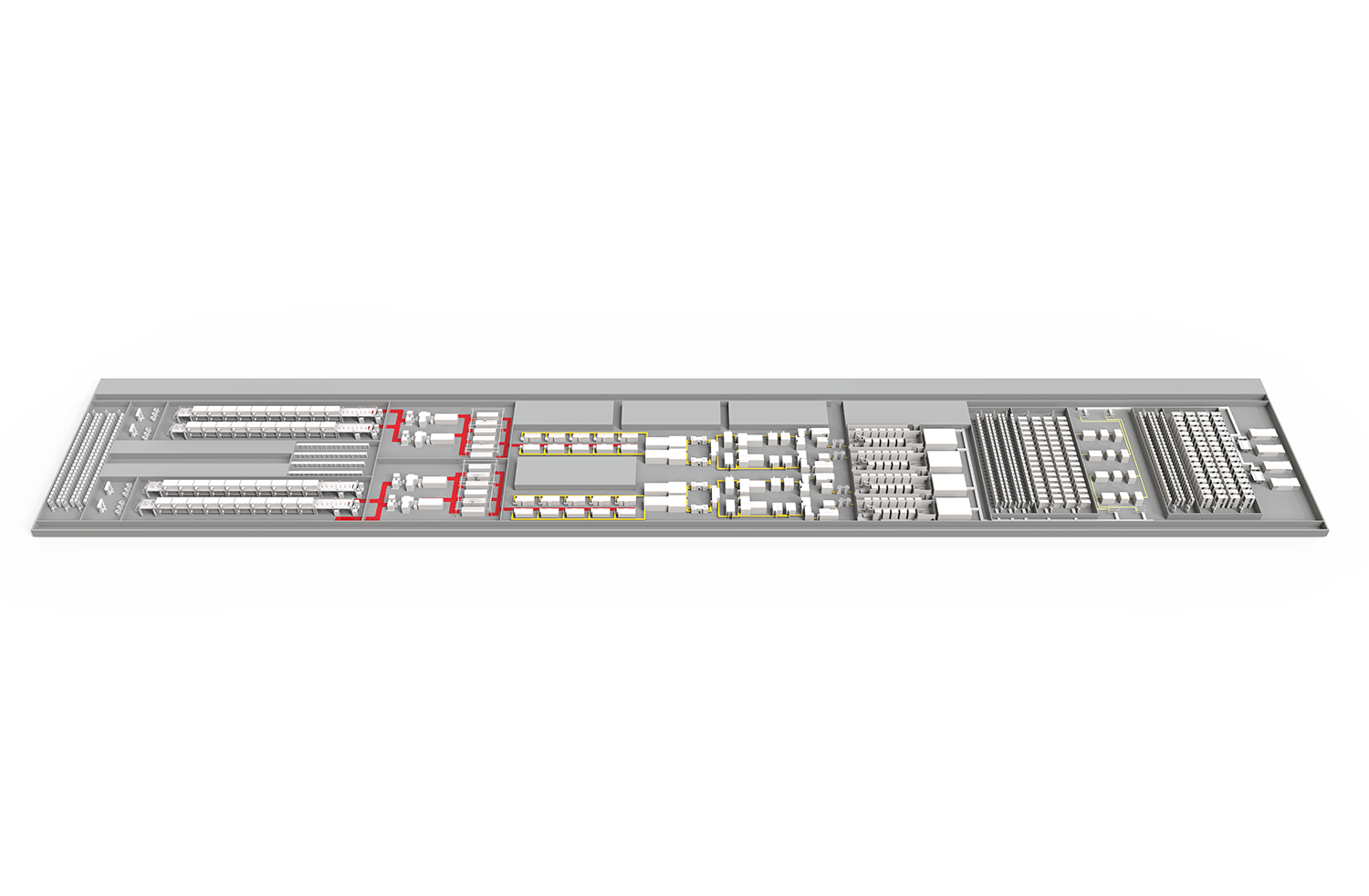
The Principles of New Technology in Prismatic Cells
So, what sets prismatic cells apart? The design promotes larger surface areas, yielding improved heat dissipation and energy output. Their flat, rectangular form allows for maximized use of space, which translates to lighter devices without sacrificing power. Furthermore, advancements in materials have significantly upped the ante on biocompatibility—an essential aspect for applications in both consumer electronics and medical devices. Look, it’s simpler than you think; these innovations are reshaping how industries approach energy storage.
Quantified User Benefits from Prismatic Cells
It’s essential to quantify the benefits tied to prismatic cells. Users have reported up to 30% more energy efficiency compared to traditional models, translating to longer-lasting power in daily use. Additionally, improved thermal management has significantly reduced incidents of overheating, ensuring safety and reliability. If you’re considering the shift to prismatic technology, it’s vital to weigh these advantages, especially if you prioritize sustainability and efficiency.
Conclusion: Evaluate Your Options Carefully
Always verify these 3 metrics when choosing solutions: ① Efficiency ratings ② Thermal performance ③ Material safety certifications. Understanding these factors can make all the difference in selecting the right energy storage solution for your needs. Each contributes to overall performance and safety, marking a crucial step in advancing your energy solutions.
Understanding Prismatic Batteries
A pivotal player in modern energy storage is the prismatic battery. With its innovative structure and potential for high-density energy storage, this type of battery is an excellent option for various applications, from electric vehicles to consumer electronics. Their unique design contributes to improved space management and heat distribution, ensuring devices operate efficiently and safely.
The Growing Importance of Prismatic Battery Technology
As industries evolve, the demand for reliable energy storage solutions increases. The prismatic battery has emerged as a leading technology, owing to its enhanced compatibility with modern computing and energy demands. This adaptability positions it well for future applications, allowing for integration into smart cities and grid energy storage systems. Industries are now experiencing increased efficiency along with the versatility that this battery technology offers, bridging the gap between old and new energy paradigms.
In summary, the prismatic cell technology represents a significant advance in energy storage, highlighting the limitations of traditional solutions while promoting the numerous benefits of the latest innovations. As you consider prismatic battery options, remember to explore the advantages offered by leading manufacturers. For exceptional supply advantages and cutting-edge technology, consider LEAD as your go-to source for prismatic battery solutions.