
Introduction
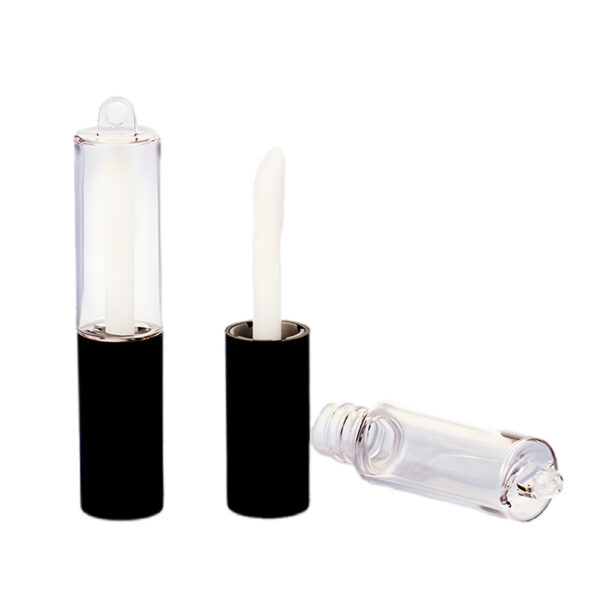
Define the core issue first. Packaging is not only aesthetics; it is a system of fit, seal, and stability. A clear lip gloss tube sits at the center of that system. When one indie brand rushed a launch, returns climbed to 3.2% in six weeks due to seepage and wand drag. Their buyers had relied on catalog picks from clear lip gloss tube manufacturers (fast, but blind to context). Why did the field sample pass, yet the first bulk run leak under shelf heat? The data told a story: a mismatch between formula viscosity and wiper geometry, and inconsistent cap torque during filling. The scenario is common and costly. Time-to-market slipped by 28 days; claims-handling doubled. So the question is simple and hard: what did we miss in the spec and the process?

This is a technical problem with legal weight. Leakage, shade shift, and label scuff can breach warranties and invite returns. Terms like injection molding, PP/PE monomaterial, and PCR resin matter because they affect seal integrity and recyclability. The fix must be structured, testable, and repeatable—no guesswork. Let’s unpack the hidden variables and walk into a better way.
Where Traditional Fixes Fall Short
What actually breaks first?
The usual checklist is not enough. Teams ask for “8 ml tube, clear, doe-foot, silver cap,” and stop there. Look, it’s simpler than you think—and more strict. Classic fixes assume any wiper fits any stem. They do not. Wiper durometer and orifice size must match the bulk’s viscosity index, or you get drag-out, bubbles, and microleaks. Cap torque is set by habit instead of validated ranges, so torque retention drifts during transit—funny how that works, right?
Legacy procurement also ignores manufacturing variance. If CNC mold tolerances widen mid-life, the neck thread pitch can shift by fractions. That is enough to raise leak-rate under 40 kPa in a standard test. Many buyers skip incoming AQL on assembled sets, so a flawless bottle meets a sloppy wiper, and the system fails. Even “premium” touches can backfire: thick-wall SAN looks crisp yet embrittles under cold-chain cycles; anodized aluminum collars can gall threads if the core is not keyed. And sustainability shortcuts create new risk. Using high-load PCR resin without re-tuning gate design can add weld lines that crack under torsion. Traditional solutions treat the tube as parts, not a sealed unit. The result: pretty samples, messy scale. Spec should reference ISO 22715, align material choice to filling temps, and demand a closure/wiper compatibility study. Without that, the old playbook keeps leaking—literally and legally.
Next-Gen Principles and Comparative Gains
What’s Next
Compare the old and the new on first principles. Old: pick by look and MOQ. New: design by system behavior. The modern stack starts with a compatibility matrix that links formula rheology to wiper geometry and stem finish. Add statistical torque maps across the capping line. Then validate with a 72-hour accelerated leak-rate test at 40 kPa and 45°C. When clear lip gloss tubes are specified this way, failure modes surface early (and cheaply). Semi-formal, but strict: select monomaterial PP for improved recyclability; use ultrasonic welding on inserts to prevent creep; lock CNC mold tolerances with SPC alerts at each cavity. A small tweak—switching wiper durometer by five points—cut drag by 22% in one case study and reduced cap back-off in transit.
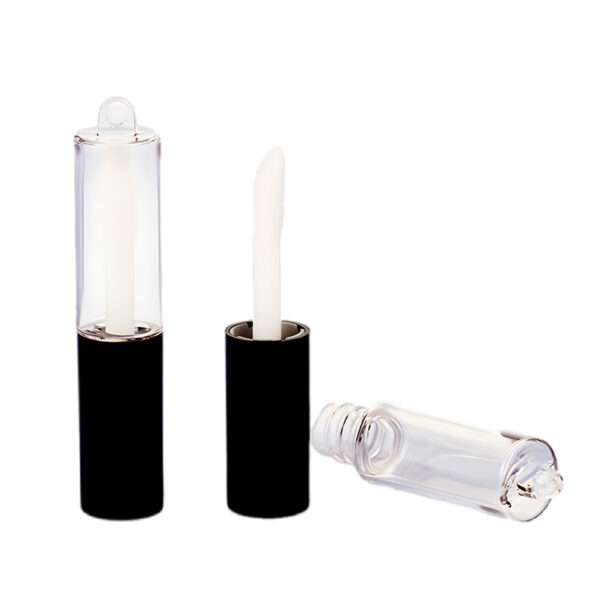
Technology now shortens loops. Digital vision checks measure wall clarity and gate blush in-line. Colorimetry flags UV yellowing risk on clear barrels. Torque sensors on the capper feed a live histogram, so you catch drift before a pallet ships. Even simple upgrades help: a wider land on the neck preserves seal after thermal cycling. And yes, it matters. Brands that framed the tube as a sealed assembly, not a look, saw fewer RMAs and steadier reviews. They also got quieter recalls—because there were none.
Advisory close—pragmatic and measurable. Use three metrics when choosing solutions: 1) System fit: report wiper-orifice, stem OD, and target viscosity range together, not apart. 2) Process control: require torque retention data and cavity-level SPC for mold wear. 3) Sustainability without fragility: confirm PCR resin ratios with drop and thermal cycle tests, then document pass rates. Hold suppliers to these numbers. Your risk falls, speed rises, and the customer sees only shine. For deeper specifications and vetted options, see NAVI Packaging.