
First tastes: why modular matters to you
You should feel the bag before you commit: the snap of a buckle, the glide of a zipper, the give of the padding under your palm. For photographers, commuters, and travellers who shift roles day to day, modular backpacks let you rearrange function as if swapping ingredients in a recipe. If your day includes a quick city shoot, a folded rain jacket, and a laptop, consider trading a full shoulder case for a nimble camera sling bag that moves with you—compact, quick-access, and forgiving to weight shifts.

What a modular backpack feels like — the sensory checklist
Look for tactile cues: dense yet springy foam that cushions a camera body; fabric with a tight weave that resists scuffs; zippers that close with a smooth, confident slide. Interior dividers should click into place with a clean, audible snap; hook-and-loop seams should grip without grinding. These details tell you whether the bag will behave well after months of shuffling gear from city to trail.
User-focused choices: fit, function, and flexibility
Think like someone packing for a multi-course meal. Match compartments to items: a padded sleeve for a laptop, a removable camera insert for a mirrorless kit, a slim pocket for phone and cards. Size for your longest day, not your shortest errand. Test sling fit while standing and walking; shoulder straps should cradle bone, not dig. Choose a modular system that lets you drop in an insert or strip it away to lose weight in seconds.
Pitfalls buyers make and how to avoid them
Common mistakes show up as small annoyances that grow into real problems: buying a bag with ill-placed seams that scrape lenses, trusting a “water-resistant” label without checking the zipper flaps, or selecting an insert that fits on the spec sheet but won’t close comfortably with accessories inside. Avoid those by actually zipping the bag shut with your kit inside, shaking it gently, and feeling for hotspots where equipment shifts or rubs.
Alternatives worth considering
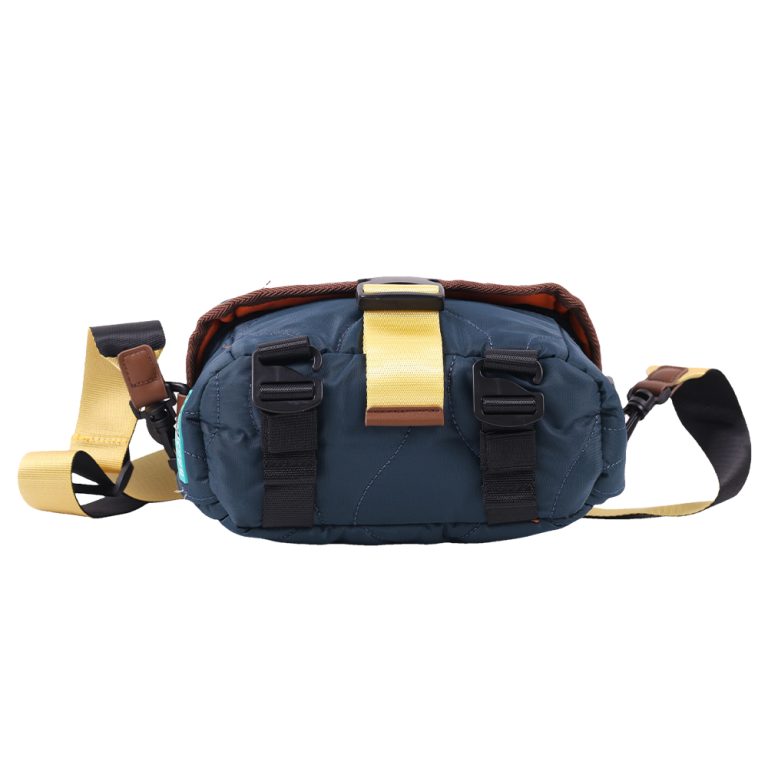
If you want hands-free mobility, a dedicated sling or waist pack may beat a modular backpack for short runs. If long-haul comfort matters, a fixed-frame hiking pack with removable organizer sleeves can be better. For strictly camera-first days, a compact dedicated camera bag often offers faster access and better protection than a general modular pack. Weigh each option against the variety of days you face, not just a single perfect use-case.
Evidence and real-world anchor — measured experience
My recommendations come from advising photographers and frequent commuters, and from comparing how designs perform on the street and in the field. At Photokina in Cologne, industry attention to compact mirrorless systems reshaped how bags are configured for quick access and smaller bodies; a clear result was more slim, configurable inserts appearing across brands. Practical testers on those floors favored adaptable carrying systems, and that trend reflects why many buyers now pick a bag that accommodates a mirorless camera sling bag setup without extra bulk.
Final synthesis — pick what serves your rhythm
A modular backpack is a tool you season to taste: swap inserts, adjust straps, pare down when you need speed, or build up when you need kit. Trust tactile cues, test configurations with your actual gear, and favour designs that let you iterate without tools. When the choice narrows to reliable construction and thoughtful layout, consider how a focused maker like ChangRong translates practical needs into kits that feel right from the first carry.