
A Comparative Lens for Fast-Moving Beauty Brands
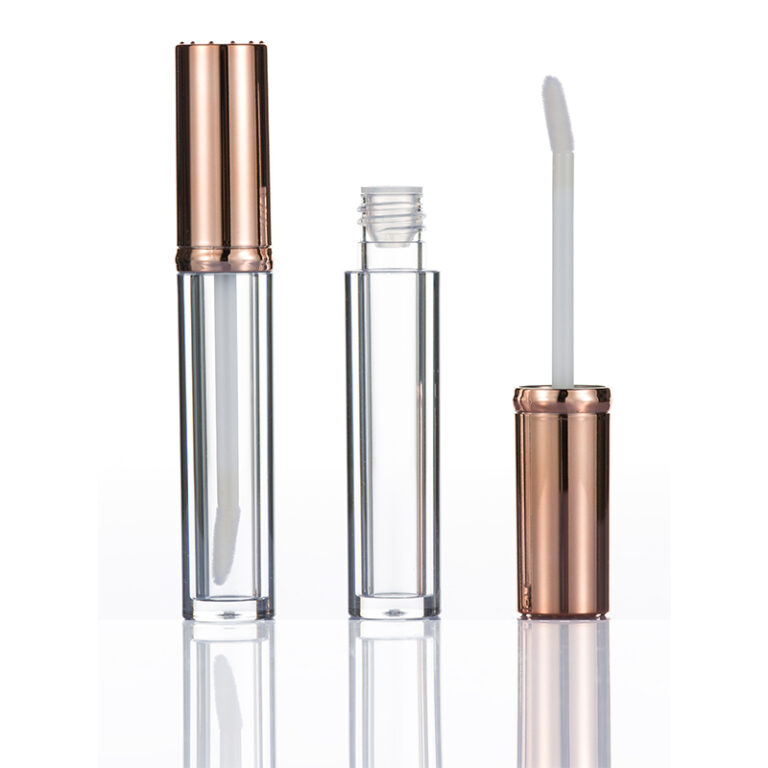
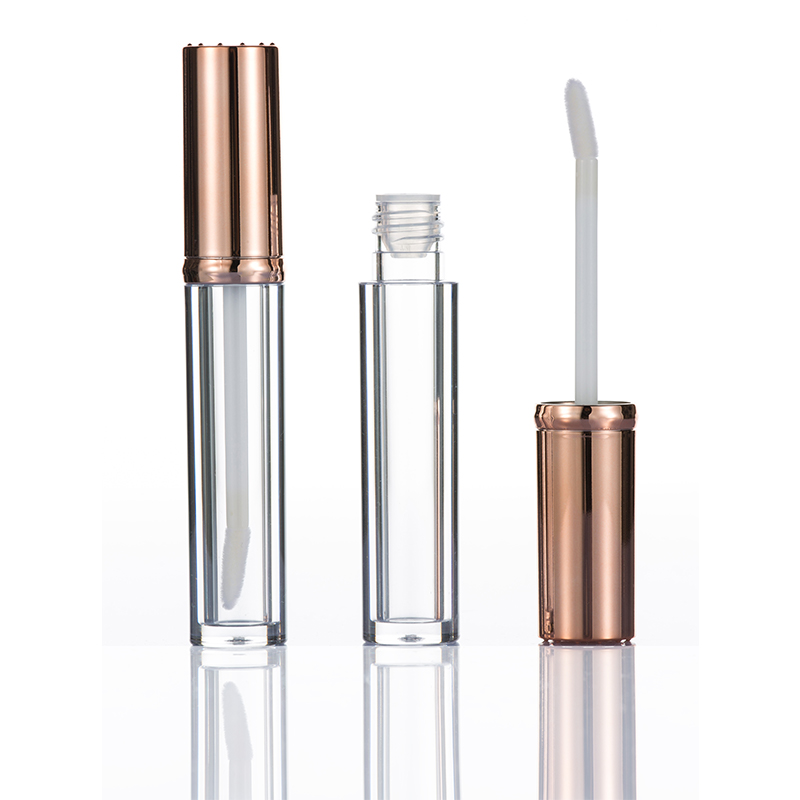
Side-by-side choices save you money and time. I have walked factory floors with more than one lip gloss tube manufacturer, and the differences add up fast. Picture a small beauty founder on a tight launch date, juggling samples and price sheets while a retailer waits. Even a tiny leak rate turns into returns and bad reviews. A switch to wholesale plastic lip gloss tubes can steady the plan, because the right fit between wiper and applicator keeps product where it belongs. Data tells the same story: a small 2% failure rate still hurts margins; tooling changes can slide launch week by two or three more (and that sting lingers). Drop tests, seal integrity, and cap torque are not buzzwords; they are guardrails that protect your cash.
I’ve seen teams win by comparing a few key specs, not fifty. That is the trick. Which choice gives stable color, clean filling, and fewer headaches at freight handoff? And how do you read samples without getting lost in gloss levels and swatch mood boards? Let’s shift from guesswork to a simple, steady approach—then set up a fair comparison in the next section.
The Hidden Friction Behind “Simple” Plastic Tube Orders
Where Do “Simple” Tube Orders Go Wrong?
Here’s the technical truth, made plain. Most issues hide in small mismatches. The wiper not tuned to your formula viscosity. An applicator with the wrong flocking density. A cap that feels tight but misses the torque spec by a hair. Look, it’s simpler than you think: when the details align, the rest flows. In injection molding, resin grade affects neck strength and thread quality. If threads slip, you get weep. If QC sampling skips a leak test after a 24-hour rest, you get returns. Small cause, big bill—funny how that works, right?
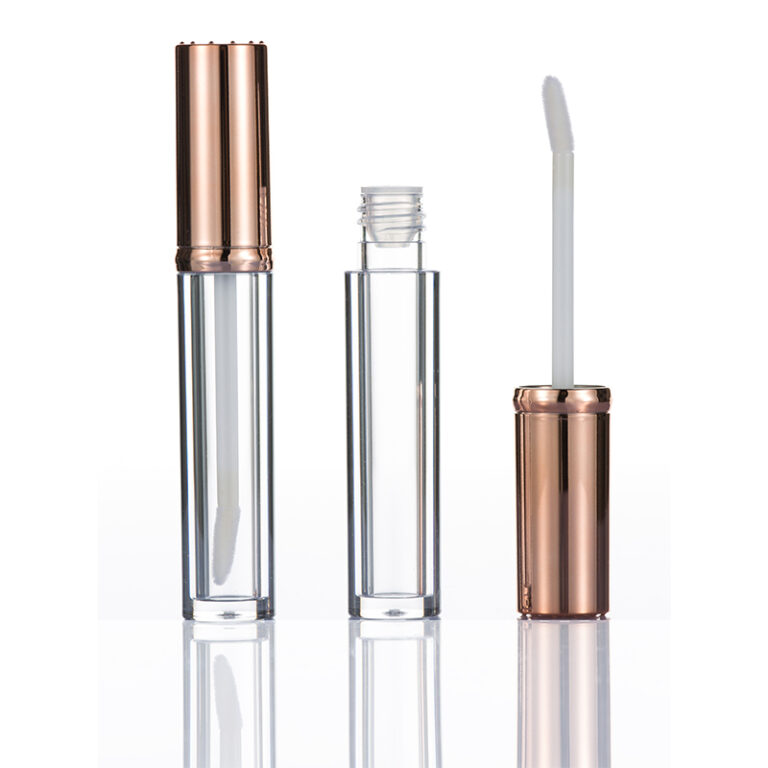
There is also timing friction you rarely see in quotes. Tooling lead time can stretch if the mold maker reworks gates or venting. The masterbatch for color can shift shade under different cure temps, so the final tube does not match the cap. Freight adds heat and crush load; if co-extrusion layers are thin, panels dimple in transit. Then your fill line slows, because the fit fights the pistons. None of this is dramatic. It’s a string of small drags. Solve them early and your order of wholesale plastic lip gloss tubes arrives ready to run, not ready to rework.
Looking Ahead: Smarter Specs and Cleaner Supply Lines
What’s Next
Now let’s compare the near future with the recent past. New lines use inline vision to catch short shots and flash before parts leave the press. Simple sensors read cap torque on the line and log it for traceability. Some plants tag lots with QR codes tied to resin batch and cavity number, so a bad pocket gets isolated in hours, not weeks. Pair that with PCR resin tuned for flow and you keep wall thickness steady. The result is fewer leakers, cleaner threads, and easier filling. A seasoned empty lip gloss tube manufacturer that runs these checks can show you leak-test pass rates and color variance data, not just pretty photos. That changes the game—because good data travels faster than excuses.
Here’s how to judge options without the noise. First, ask for a sealed-sample leak test result after 24 hours and after a drop test; you want a high pass rate with numbers, not adjectives. Second, check color match across lots using a simple Delta E score; lower is better and makes your brand look steady on shelf. Third, track on-time delivery and tooling change requests; fewer change orders mean stable molds and predictable lead times. Keep it practical, keep it honest, and your next run will feel calm. And if you want a name to compare against while you work your shortlist, include NAVI Packaging in the mix for a clean benchmarking point.