
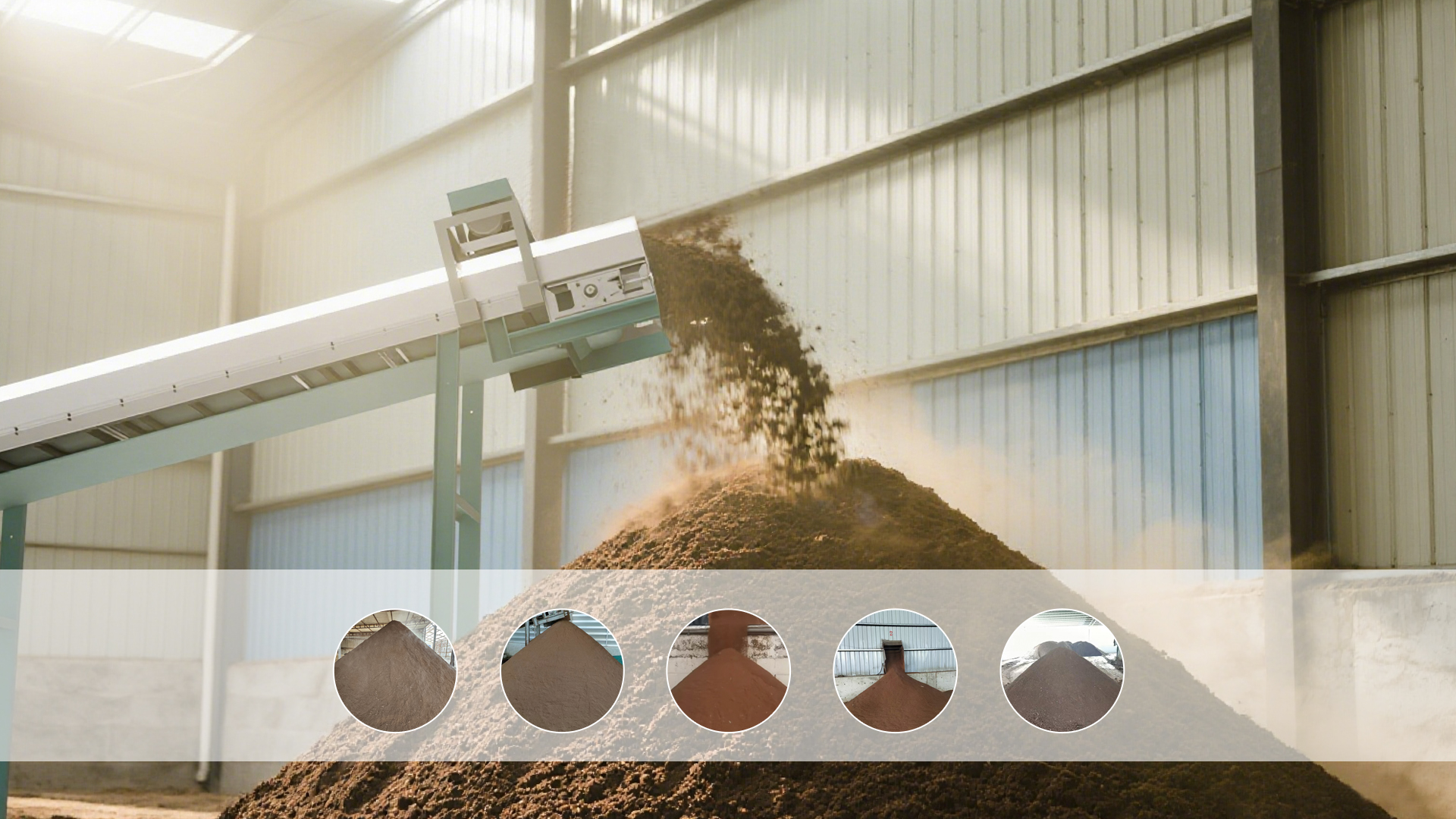
A Shift in Perspective: The Culinary Waste Dilemma
Imagine standing in a bustling kitchen, where food scraps accumulate faster than the dishes can pile up. Statistically, over 1.3 billion tons of food are wasted globally each year. With that staggering figure in mind, how can we effectively tackle the growing problem of waste? Enter the food waste organic fertilizer fermentation tank. This innovative solution allows us to transform our unwanted ingredients into something valuable, not just for our kitchens – but for the planet.

Understanding the Flow of Fermentation Technology
Food waste fermentation tank technology is revolutionizing how we perceive kitchen waste. Traditional waste disposal methods often lead to environmental hazards, while this technology harnesses microbial activity to convert decomposing food into organic fertilizers. I’ve seen firsthand how restaurants struggling with disposal costs embrace these tanks, noticing everything from reduced waste bills to enhanced garden health. It’s pretty impressive! Plus, using a fermentation tank streamlines our approach, turning a headache into growth. Trust me, a little investment in this tech can pay dividends – both financially and ecologically.
What Challenges Do Cooks Face?
We chefs often overlook the hidden burdens of food waste management. Cumbersome disposal methods, inadequate equipment, and the snapshot of a wasteful environment can dampen even the brightest culinary ambitions. The food waste organic fertilizer fermentation tank addresses these pain points, providing a seamless and efficient conversion solution, transforming scraps into soil amendments we can be proud of. I often wonder, why didn’t we adopt this sooner? It’s a total game-changer.
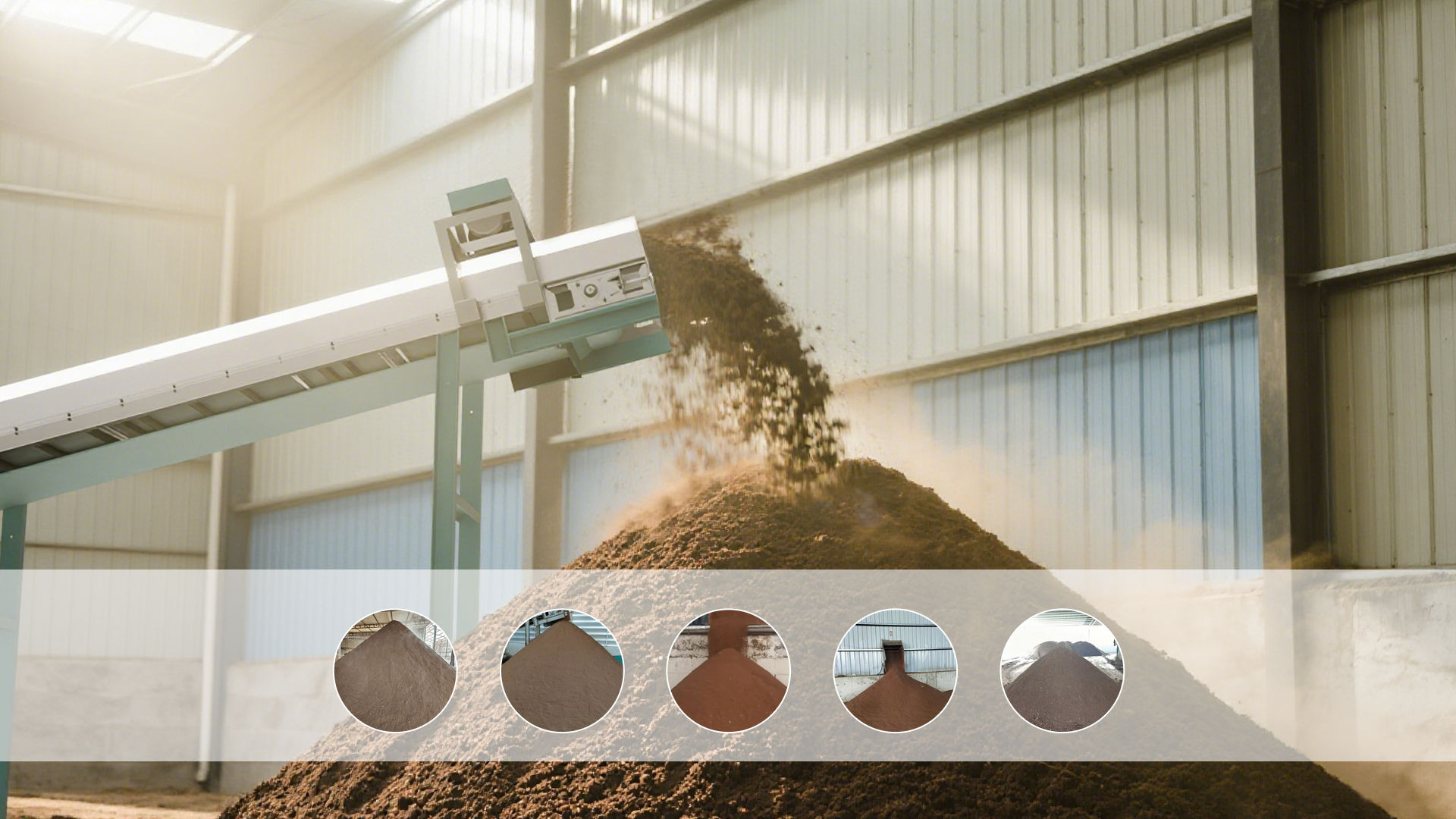
Looking Ahead: The Emerging Landscape of Waste Solutions
As we step into the future, I see a growing trend towards sustainable practices. Utilizing a food waste fertilizer machine is no longer a novelty; it’s becoming standard. Chefs and restaurant owners alike are recognizing the need to align our practices with environmental stewardship. However, it’s vital to address the balance between adoption costs and the tangible benefits the tech can deliver. After all, who wouldn’t want to reduce waste while enhancing their gardening endeavors? The potential for innovation here is honestly exciting!
Real-world Impact: What Can We Expect?
With so many entities investing in fermentation technologies, the culinary landscape is on the verge of a food waste management revolution. From urban farms to fine dining restaurants, the adaptability of fermentation tanks is remarkable. The lessons learned from early adopters indicate that integrating this technology not only enhances sustainability but adds a unique selling proposition for businesses. I envision this being the spark that inspires others to follow suit. Time will tell how quickly this transition occurs, but chef-driven initiatives can lead the way.
Concluding Thoughts: Elevate Your Culinary Experience
Overall, the need for effective food waste management has never been more urgent. Chefs can significantly impact their operations and the environment through the adoption of innovative solutions like fermentation tanks. As we embrace these tools, we can transform waste into respectfully sourced organic fertilizers and inspire others to rethink their approaches. If nothing else, the food wasted in our kitchens should be a stepping stone to further culinary creativity and environmental responsibility. Let’s face it, when we think of our planet, every little action counts! I firmly believe we’re at the beginning of a culinary renaissance, driven by sustainability.
Ultimately, the heart of culinary practice lies in respect for ingredients – and that includes what we discard. Find out more about how you can integrate this technology into your kitchen with the expert support from Cason. The kitchen of the future can be a tidier, greener place, all starting with a little innovation!