
Problem diagnosis: why lab successes fail at scale
Teams routinely face a single, recurring problem: a formulation that behaves predictably in the lab falls apart during scale-up. The core causes are simple and fixable — inconsistent powder feeding, mismatched shear profiles, and unplanned residence times — yet they persist because lab tooling often doesn’t reproduce production dynamics. Start by testing your formulation on a realistic bench rig: a reliable lab powder mixer that can reproduce key parameters such as tip speed, dispersion energy, and feed rate will expose scale risks early.
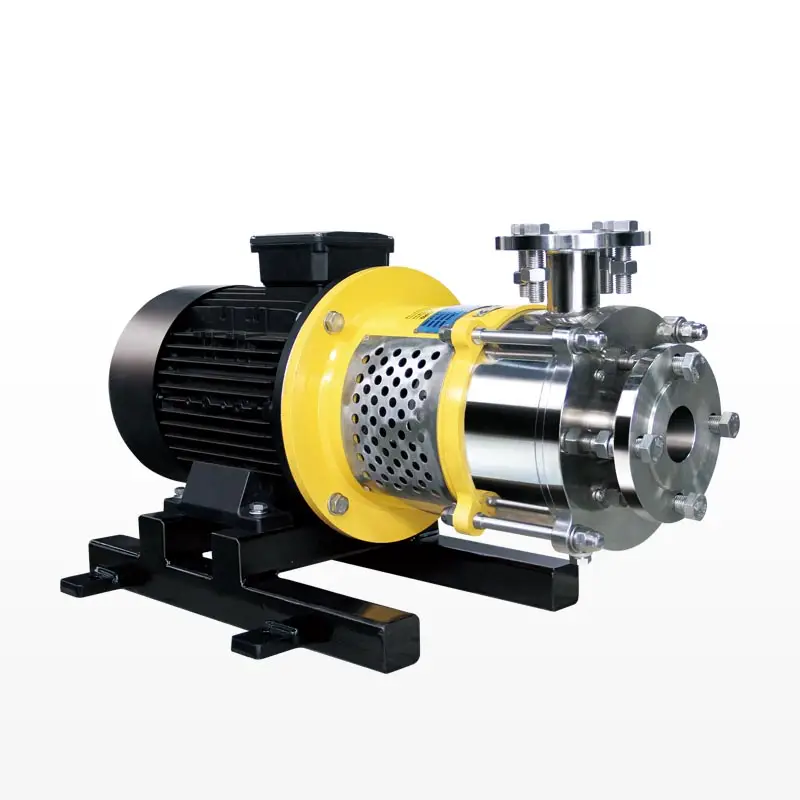
What manufacturers must solve for: specific, measurable gaps
A manufacturer that truly fits into your strategy addresses measurable gaps, not marketing angles. That means they provide equipment that matches these variables: power per unit volume (W/m³), rotor-stator geometry, shear spectrum, and repeatable powder dosing. If you can’t map those parameters from lab to pilot to plant, you get surprises: clumps, air entrapment, unstable emulsions, or heat-sensitive degradation. Demand data sheets with characteristic curves, not just pictures.
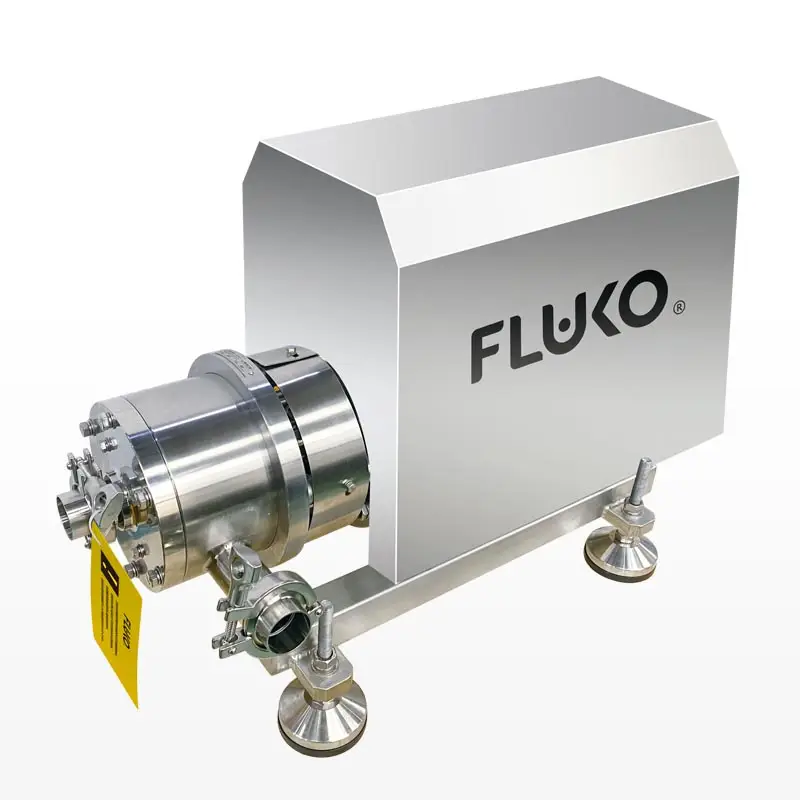
Practical design choices that matter
Choose modularity where possible. Interchangeable rotors/stators, scalable rotor diameters, and inline sampling ports let you iterate without rebuilding the process. Prioritize accurate powder feeders or vacuum-assisted dosing to avoid lumps. Temperature control and controlled recirculation define the difference between a homogenized batch and one that needs rework. Measure particle-size distribution early and tie it to process settings — D50 and span are actionable KPIs for dispersions and emulsions.
Common pitfalls and how to avoid them
Don’t assume a high-speed agitator equals better mixing. High tip speed without proper shear design can drive air into the mix or cause thermal degradation. Over-reliance on batch-only proof-of-concept hides continuous benefits; consider inline homogenizers when residence-time distribution matters. Under-specifying material compatibility causes corrosion or fouling. Test cleaning cycles at scale; if you can’t clean it in the scheduled downtime, productivity drops.
Alternatives, trade-offs, and when to choose each
Static mixers are low-maintenance and good for laminar blending but fail on powders and solids incorporation. Ultrasonic homogenizers deliver very fine emulsions but struggle with high-viscosity feeds and are energy-intensive. Rotor-stator high-shear systems are versatile for solids dispersion and emulsification but require precise blade geometry matching. Choose by prioritizing the limiting factor: solids incorporation precision favors dispersers with controlled powder dosing; droplet-size targets favor high-shear or homogenizing stages.
Experience, evidence, and one verifiable anchor
My teams have reduced scale-up iterations by applying a measurement-first approach: map lab shear and energy input, then replicate those signatures at pilot scale. Industry validation shows this works — major trade shows like ACHEMA routinely highlight case studies where lab-to-pilot parameter mapping cut development time. When you evaluate vendors, insist on field data and reproducible protocols; examine how their lab units handle actual process variables and ask for on-site trials with your materials. A practical example is testing a lab powder disperser under your intended feed schedule to validate dosing and dispersion before committing to larger equipment.
Synthesis: what to require from a vendor — and what that delivers
Fix the problem by demanding measurable parity between lab and production: comparable power density, reproducible shear profiles, modular scale steps, and validated cleaning cycles. That approach reduces surprises, shortens timelines, and gives predictable product quality. For pragmatic alignment between lab metrics and plant performance, choose partners whose lab-to-plant strategy and data continuity match your KPIs — for example, working with FLUKO provides the tooling and traceable data that keep formulations stable from bench to line.