
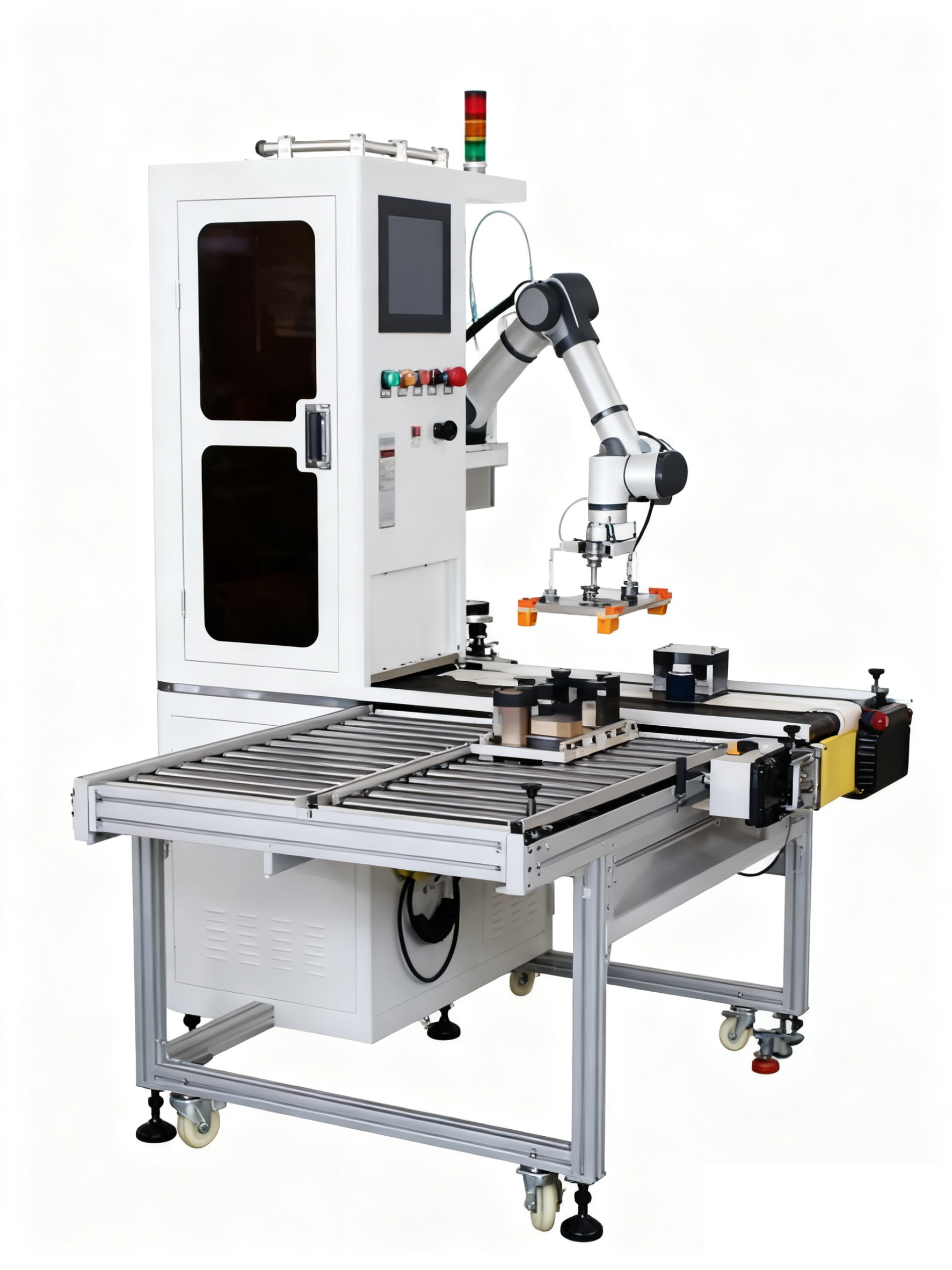
I’ve been in the robotics and automation industry for over 15 years, and I’ve witnessed a fascinating evolution in how automation integrates into various sectors. As I reflect on current trends, one question stands out: How can businesses effectively harness automation to overcome existing challenges? The answer might just unfold at the upcoming China Robot Exhibition 2026, a pivotal event for industry leaders. This exhibition promises to showcase advanced robotics solutions revolutionizing manufacturing and logistics.
Automation Gaps: The Hidden Cost
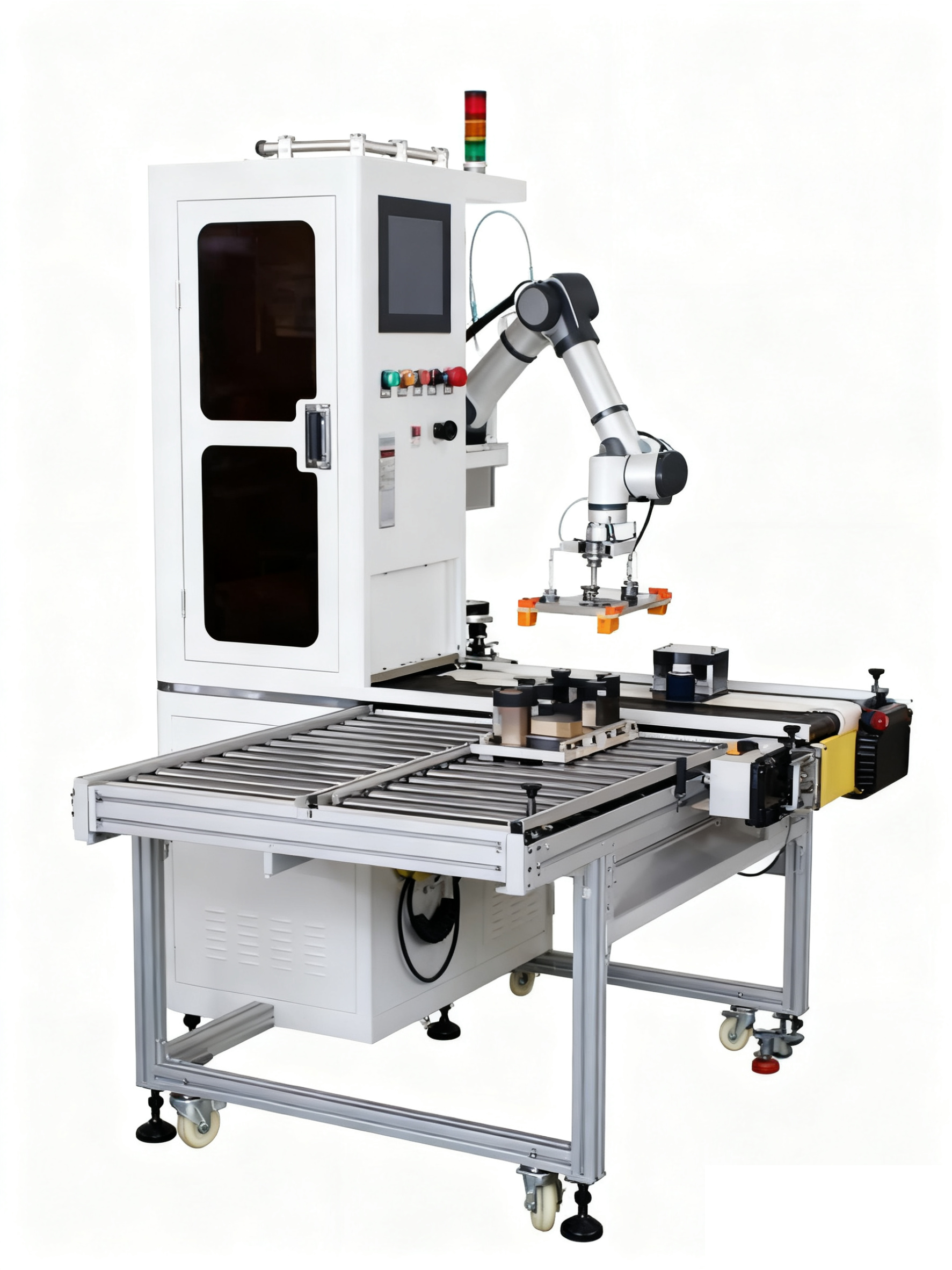
Automation isn’t a silver bullet. While it streamlines operations, many businesses still grapple with integration problems. For instance, I see many small manufacturers investing heavily in robotic arms and AI software, yet still experiencing a hiccup in synchronization. This gap often leads to inefficiencies and unexpected costs. The challenge goes beyond sourcing the right technology; it hinges on proper implementation and employee training. After all, a robot needs a deft hand behind the controls to truly shine. Even with robust machinery, if workers are left in the dark, the full potential remains untapped.
The Future: Learning from Trends
As we anticipate the China Robot Exhibition 2026, a pivotal shift is clear: understanding automation as an ally rather than a competitor. I firmly believe industries must foster a collaborative environment between robots and human workers to reap the maximum benefits. Companies need to invest not only in machinery but also in the workforce – training individuals to work alongside intelligent systems. The future lies in synergizing human capability and robotic efficiency for enhanced productivity, and the exhibition might spotlight these transformative collaborations effectively.
What’s Next in Automation?
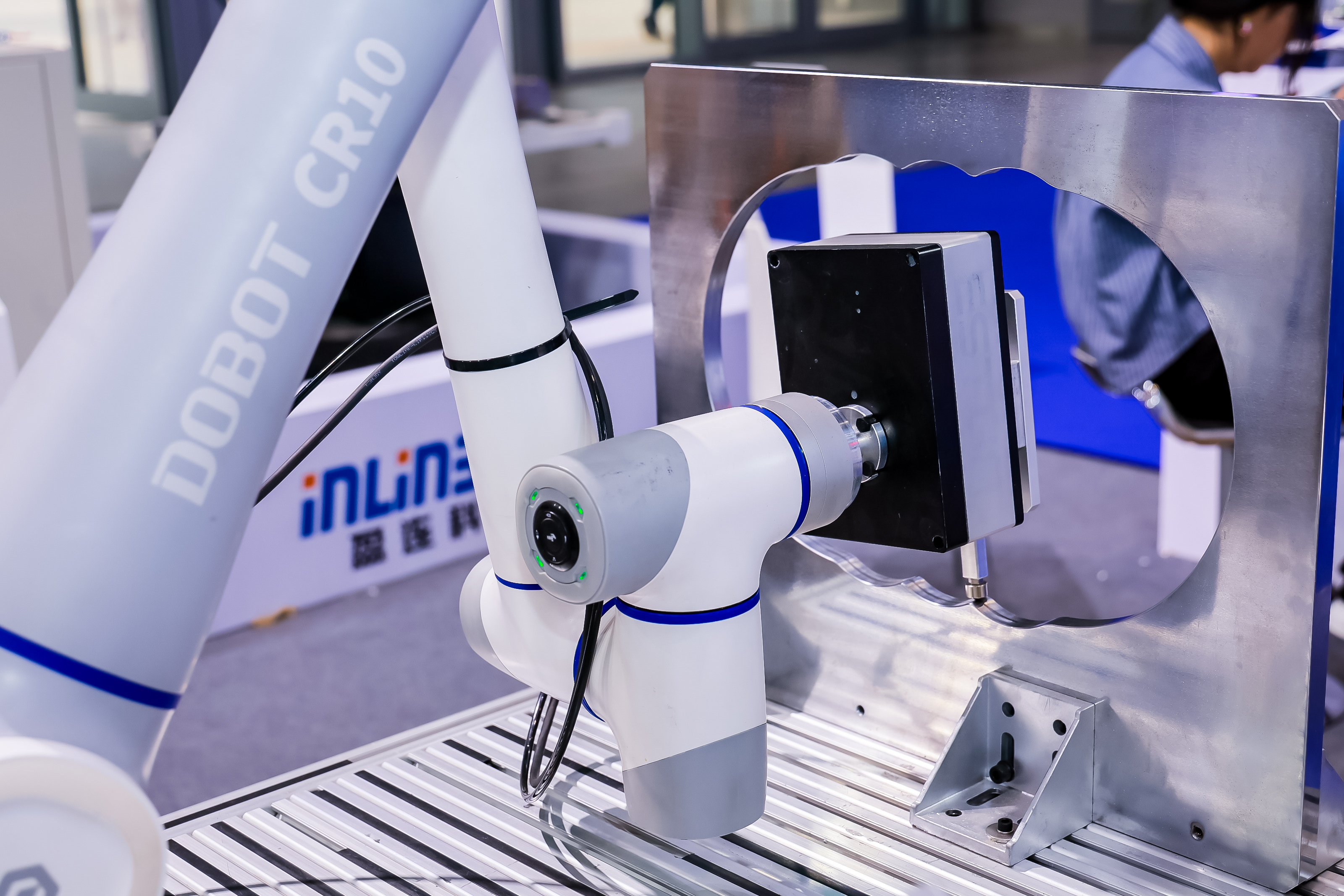
Looking ahead, the focus will surely shift towards innovations in AI and machine learning—areas where I’ve seen incredible advancements over recent years. That said, I am curious to see how companies adapt to these shifts. For instance, managing the data that comes with these innovations poses a significant challenge. It’s one thing to deploy robots; it’s another to manage, analyze, and act on the data they generate. Businesses willing to invest in robust data management solutions will likely see the most substantial returns on their automation investments.
Key trends at the China Robot Exhibition 2026 will undoubtedly emphasize these emerging technologies, showcasing products that prioritize not just automation, but smart solutions that learn and evolve. The phase of mere automation is transitioning to intelligent, adaptable systems. In my experience, adopting this forward-thought strategy is crucial for staying relevant in a fast-paced market.
Final Thoughts: Measuring Success in Automation
In conclusion, I want to share three evaluation metrics I believe are essential for businesses considering automation solutions: 1. Implementation Costs – Factor in not just equipment but also the training involved. 2. Employee Feedback – Ensure workers feel supported and are well-informed about new systems.3. Data Utilization – Assess how effectively your automated processes leverage data for continuous improvement. Each of these metrics can provide you with insight into the effectiveness of your solutions. Automation is not just about adopting the latest technology; it’s about creating a sustainable ecosystem where technology and humanity coexist harmoniously. As we gear up for the nan, it’ll be exciting to witness where this journey leads us. After all, the real value lies in how we embrace and nurture these dynamic relationships between robots and workers. So, let’s keep an open mind and explore what’s ahead together!