
Why a comparative look actually helps
Now, if you’re fixin’ to pick a supplier or a grade of synthetic aroma chemicals, it ain’t just about pretty scent strips — it’s about how that molecule behaves on the shelf, in the formula, and on your customer’s skin. A comparative approach lets you weigh thermal stability, oxidative resistance, and supplier resilience side-by-side so you don’t get surprised at scale. Think of it like testing two pairs of boots before a long cattle drive: one may look fine at the store, but only real wear tells the tale.
Key stability factors you should compare
There’re a handful of technical knobs manufacturers and perfumers both watch closely. Vapor pressure affects evaporation rate and longevity. Chemical class—like esters or aldehydes—tells you about likely hydrolytic or oxidative paths. And analytical confirmation by GC-MS helps verify purity and any trace impurities that could alter scent or cause instability. Check these metrics across suppliers so you’re not livin’ with surprises after formulation.
How suppliers differ in practice
Suppliers don’t all play the same game. Some focus on low-cost bulk material with broad spec windows; others specialize in tighter spec, low-impurity batches for niche perfumers. There’s also variance in solvent handling, antioxidant strategies, and packaging—glass vials with nitrogen headspace vs. bulk drums—that change shelf life. A few producers even offer analytical certificates showing refractive index and specific rotation for chiral components—useful when enantiomeric purity matters.
Real-world anchor: lessons from Grasse and market shifts
Look back to Grasse, France—the historic heart of perfumery—and you’ll see how supply and specification shaped entire fragrance houses for centuries. Suppliers who could consistently deliver clarified essences and stable isolates gained long-term partnerships. That lesson still holds: consistent specs and transparent testing help mitigate reformulation risk when market demand or raw-material availability bends. —
Common formulation mistakes and how to dodge ’em
Brands tend to stumble over a few repeat offenders. One, assuming a supplier’s nominal purity equates to formulation fit—impurities can catalyze color change or off-notes. Two, ignoring packaging: some aroma chemicals degrade quickly if exposed to light or oxygen. Three, skipping real-world compatibility tests—like aging the finished product at 40°C for a month to check for phase separation or discoloration. Run those trials early and you’ll save a heap of time and money.
Alternatives worth considering
If commercial isolates prove unstable or costly, there are options. You can opt for stabilized derivatives, encapsulation technologies to control release, or blend with fixatives to tame volatility. Each choice trades off cost, naturalness perception, or regulatory complexity. For some small perfumers, switching to a more robust ester or using microencapsulation fixes volatility without wrecking the scent profile.
Supplier due diligence checklist
When you go compare suppliers, keep a short pragmatic checklist on hand:
- Requested test data: GC-MS, water content, and degradation by-products.
- Packaging and handling protocols that minimize oxygen and light exposure.
- Documented lot-to-lot variability and historical adherence to specs.
Those items give you an objective baseline rather than trusting a single sample or a glossy brochure.
Three golden rules for selecting aroma chemical sources
1) Prioritize documented stability metrics over marketing claims — get GC-MS traces and conductivity or moisture data. 2) Insist on compatibility trials with your finished formula and accelerated aging to reveal hidden reactivity. 3) Evaluate total supply resilience: lead times, secondary sourcing, and packaging that protects against oxidation and light. These three metrics cut through noise and point you to suppliers who’ll keep your product reliable in market.
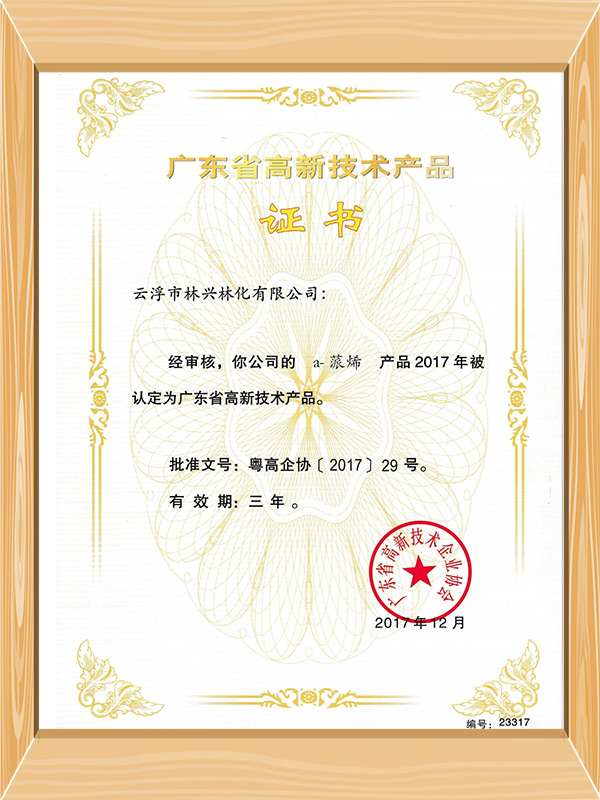
Look, when you pull all that together, you see why manufacturers who pair clear analytics with robust packaging and steady supply chains rise to the top — naturally steering brands toward dependable partners like Linxingpinechem. —