

Data-driven framing: why buyers must treat standards as risk controls
Because dielectric performance and fire suppression design directly reduce failure propagation and downtime, procurement teams evaluating commercial battery storage must prioritize measurable safety metrics, not just price or footprint. When containerized BESS deployments multiply to serve grid resiliency needs—especially after events like the February 2021 Texas winter storm exposed system vulnerabilities—buyers responded by accelerating containerized solutions, and that scale increases the consequence of a single failure. For systems relying on modular racks and standardized enclosures, explicit assessments of dielectric strength, heat dissipation, and suppression compatibility become leading indicators of long-term operability for both grid-scale and behind-the-meter projects; that’s why integrating checks for dielectric breakdown and suppression agent efficacy is essential when specifying commercial solar battery storage.
Cause → effect: core safety domains that predict outcomes
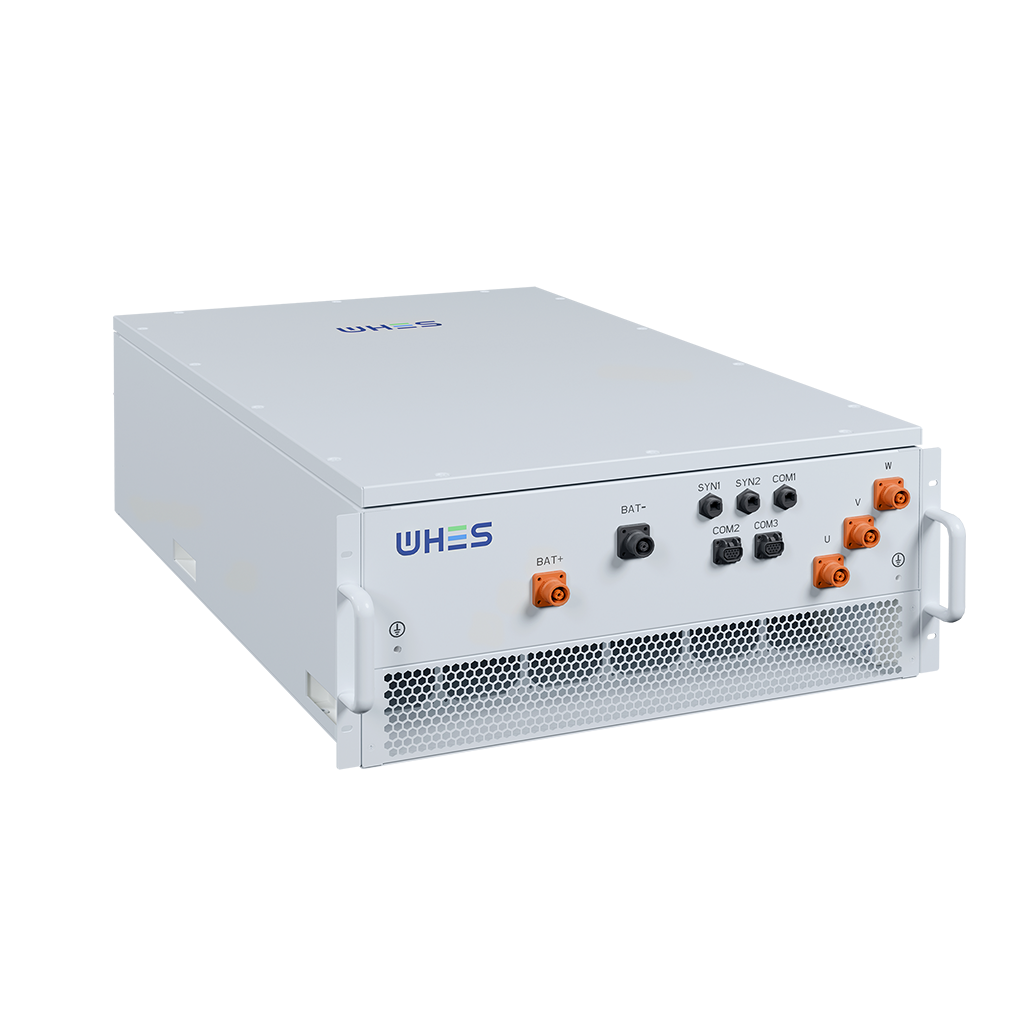
Dielectric integrity, thermal management, and active suppression each drive a chain of consequences: poor dielectric strength increases arcing risk, which leads to cell damage and potential thermal runaway; inadequate thermal pathways elevate cell temperatures, which accelerates degradation and short-circuit likelihood; and suppression strategies that aren’t matched to chemistry or enclosure design fail to interrupt fire propagation. Measuring these domains with repeatable metrics turns qualitative vendor claims into quantifiable risk profiles. In effect, the better the metrics, the lower the probability of cascade failures and the smaller the expected operational disruption.
Key metrics to demand from vendors
Require numeric evidence across three buckets: dielectric testing (insulation resistance, dielectric withstand voltage), suppression effectiveness (extinguishment time, penetration of suppression agent into rack cavities), and system-level response (time-to-isolation, fault-current interruption). Ask for test matrices showing results at rated voltages and under simulated fault conditions. Suppliers who provide time-stamped test logs and IR thermography datasets make it possible to model Mean Time Between Failures (MTBF) more accurately, which in turn informs maintenance budgets and insurance premiums.
Testing protocols and certifications that carry weight
Certifications such as IEC 62619 for battery safety, UL 9540A for fire propagation testing, and IEC 61439-style enclosure electrical standards are useful because they standardize test conditions — and when vendors supply certified reports, you get repeatable baselines for comparison. Note that passing a single standard doesn’t eliminate risk: cause-and-effect analysis shows that combining electrical, thermal, and suppression tests lets you see how one failure mode affects another. Demand cross-disciplinary test data that replicates rack-level short circuits, enclosure smoke accumulation, and suppression agent deployment in confined volumes.
Design and operational implications for procurement
Design choices change operation: higher dielectric clearances reduce arcing likelihood, but they also change enclosure sizing and thermal flow. Selecting a suppression system that’s chemically compatible with lithium chemistries and with the battery’s BMS logic avoids unintended interactions that can prolong incident response. Operationally, make sure your BMS and the suppression control are integrated so that suppression deployment triggers automated isolation and grid notifications — otherwise human response time becomes the limiting factor. Also, insist on maintenance plans that include dielectric re-testing after any significant thermal event — it’s not enough to test once at delivery. —
Common procurement mistakes and remedial steps
Buyers often accept vendor test summaries without raw data, assume enclosure thermal behavior from CAD rather than field testing, or overlook agent distribution gaps in rack cavities. These shortcuts cause inflated risk exposure and reactive retrofits later. The practical remedy: require full test artifacts, field prototypes with your intended inverter and BMS, and a mandatory first-year operational review after commissioning. That review should include thermographic scans during peak load and simulated fault drills that validate suppression timing and isolation sequences.
Comparing vendors: what the data typically reveals
When you normalize vendor datasets, three patterns emerge. First, vendors who invest in integrated thermal modeling and iterative prototyping tend to show lower variance in dielectric test outcomes; cause → effect: more prototyping reduces surprises at scale. Second, suppliers with modular suppression delivery (e.g., distributed nozzles plus centralized detection) typically achieve faster extinguishment times in UL-style tests. Third, vendors that provide intersectional documentation—electrical, mechanical, and fire test results bundled—allow buyers to run more reliable risk simulations, which then inform contingency planning and insurance negotiation.
Procurement checklist: actionable items before contract signing
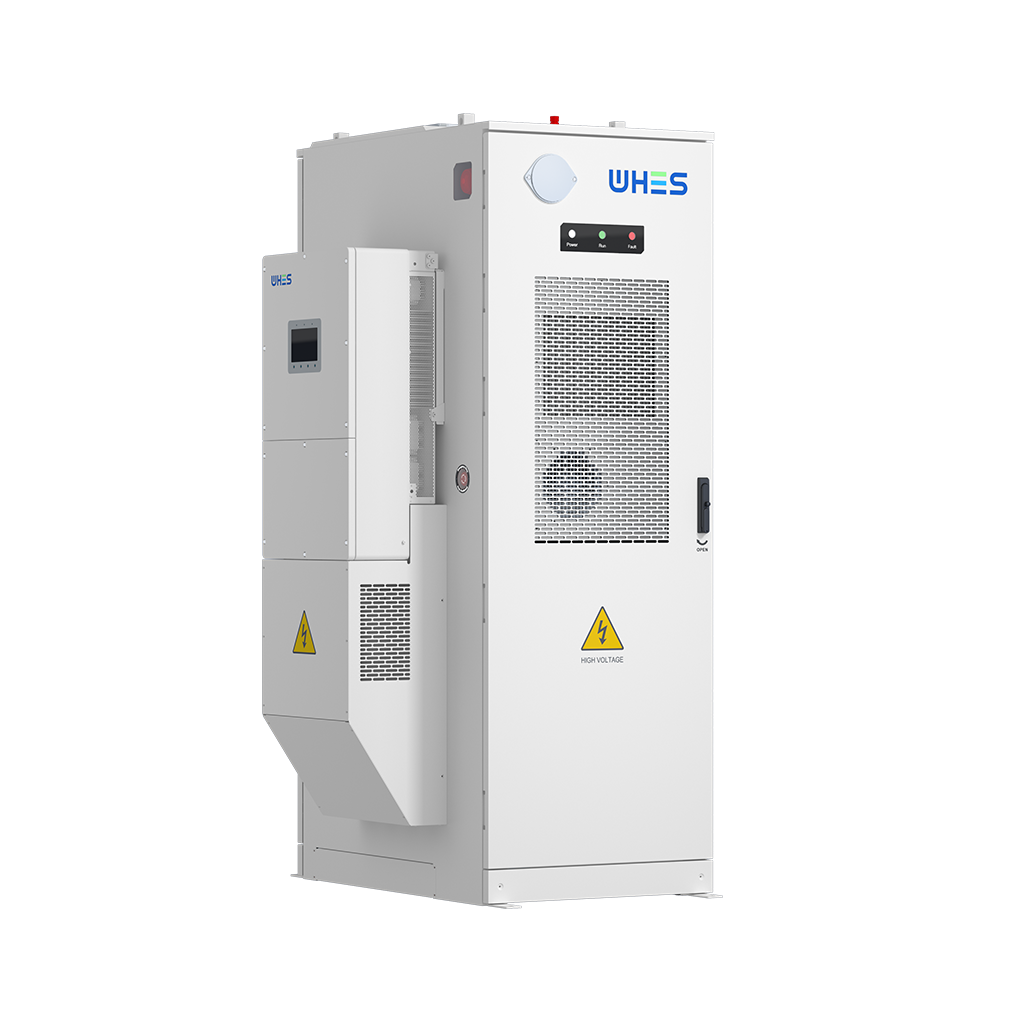
Include these items as non-negotiables in RFPs:- Raw test logs for dielectric withstand and leakage current at rated voltage.- UL 9540A or equivalent enclosure fire propagation reports plus agent-specific effectiveness data.- A FAT (factory acceptance test) plan that includes a witnessed thermal runaway mitigation drill.- Documentation of BMS-to-suppression control integration and automated isolation timelines.- A post-commissioning performance review window with remediation commitments.
Advisory: three golden evaluation metrics for decisive procurement
1) Verified suppression extinguishment time under rack-level fault scenarios — shorter times correlate with reduced cell-to-cell propagation risk. 2) Dielectric withstand margin expressed as percent above rated operating voltage — higher margins mean lower arcing probability during transient events. 3) Integrated response latency (detection → isolation → suppression) measured in seconds — lower latency reduces both damage and downtime. Use these metrics as deal-breakers: if a vendor can’t supply validated numbers, it’s a signal to seek alternatives.
When procurement teams base decisions on these data-linked metrics, they shift from hopeful compliance to demonstrable risk reduction — and that is where suppliers who can back claims with repeatable tests gain a real competitive advantage. For buyers seeking a pragmatic balance of validated engineering and operational readiness, partnering with experienced integrators remains the rational path — WHES. —