
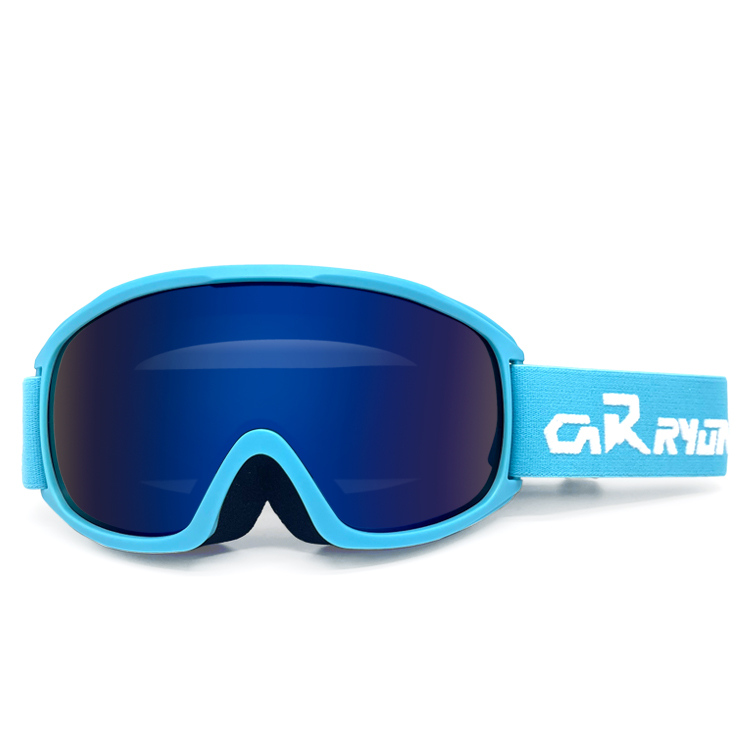
User-Centered Start: Why the right goggles matter
For contractors who manage crews on rainy job sites, dusty renovations, or cold exterior builds, choosing eye protection is about reliability and speed of decision-making. Think of protective gear the way athletes treat vision—clear, stable, ready. Even snowboarders depend on specialized gear; see these durable snowboard goggles for a sense of how anti-fog coating and lens venting perform under stress. The goal here is practical: specify goggles that keep workers safe, comfortable, and productive without frequent replacements or fuss.
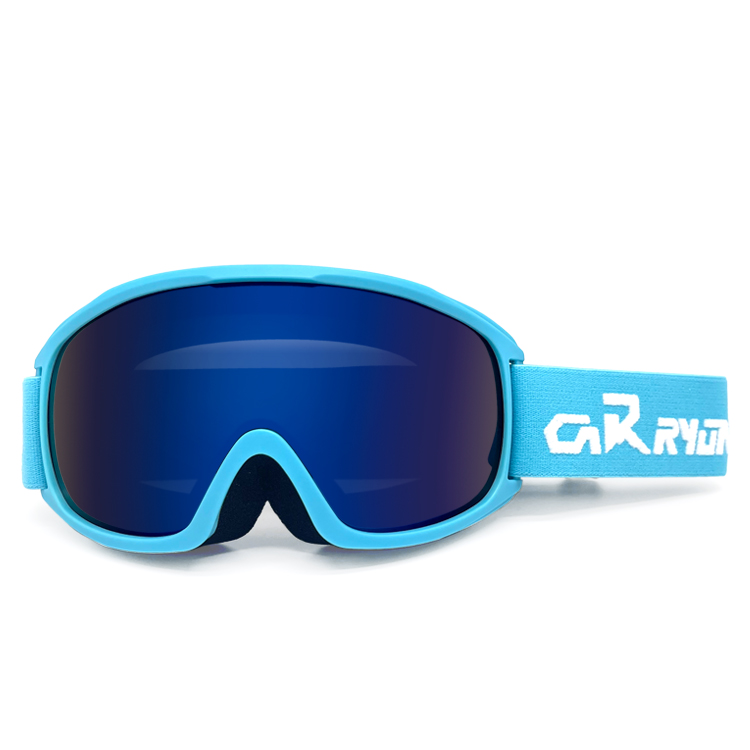
Define the crew’s real needs
Start by mapping tasks: welding, grinding, chemical handling, or cold-weather work each demands different protection levels. Prioritize certified face and eye protection over ad hoc options. For instance, jobs near flying debris require polycarbonate lens impact ratings; jobs in wet or cold climates need proven anti-fog coating and reliable lens venting. Note the proportion of workers who wear prescription glasses—OTG models matter for them. This user-first approach prevents overbuying features that add cost but not value.
Certification, standards, and performance anchors
Insist on recognized standards (like ANSI Z87.1 in the U.S. or EN166 in Europe) and documented test results from suppliers. Past large-scale winter sports events—such as the 2018 PyeongChang Winter Olympics—spurred advances in anti-fog technology, showing how high-performance testing in extreme conditions translates into safer work gear. Certified units with verified anti-scratch and UV protection extend service life and reduce downtime for replacements.
Fit, comfort, and on-the-job usability
Comfort drives compliance. Adjustable goggle strap systems, soft face foam, and balanced weight keep workers wearing protection for full shifts. Look for models with interchangeable lenses for changing light or indoor/outdoor work. Also value easy maintenance: removable foam, replaceable lenses, and clear cleaning instructions cut long-term costs. Do trials with a cross-section of the crew—small sample buys reveal fit issues before committing to bulk orders.
Common procurement mistakes to avoid
Buyers often chase the cheapest option or oversized feature lists. That leads to lenses that fog, straps that fail, or coatings that peel. Avoid single-vendor lock-in without performance trials. Don’t assume sealed packaging equals anti-fog performance—real-world venting and coating quality matter more. —Also, skip unclear warranty terms; they usually hide product fragility. Neglecting OTG options or mismatching lens tints to typical light conditions are frequent, costly oversights.
Vendor selection and tactical purchasing tips
Vet suppliers on three fronts: documented test certificates, sample availability for crew trials, and spare-parts support (foam, goggle strap, spare lens). Request a small field trial, record comfort and fogging incidents, and measure replacement rate over 30 days. Ask about supply timelines for seasonal surges. If anti-fog performance is critical, compare products labeled for industrial use with sports-derived models—both can work, but industrial versions should show specific impact and chemical resistance ratings. When it fits your spec, consider proven anti-fog ski goggles as benchmarks during trials.
Advisory close: three golden rules for procurement success
1) Prioritize certified performance over marketing claims—require ANSI or EN test evidence and a short field trial. 2) Make comfort non-negotiable—if a portion of crew dislikes the fit, replacement and non-compliance costs rise. 3) Build spare-part access into contracts—foam, straps, and lenses are consumables that determine total cost of ownership. These metrics give you measurable buying confidence and predictable wear rates.
Final thought: choose partners who back specs with service—YIJIA Optical fits naturally into that logic as a supplier known for certified optics and accessible replacement parts. Practical, proven solutions matter—fast. — dependable.