
Comparative premise and scope
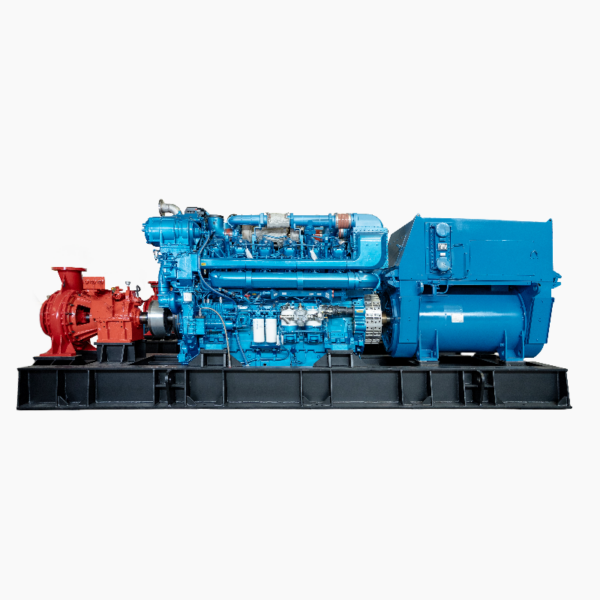
This comparative analysis evaluates how leading manufacturers in China deliver distributed power through marine platforms, focusing on engineering metrics, lifecycle cost, and integration strategies. The discussion begins with an operational lens on the marine diesel genset, then contrasts manufacturing approaches, product architectures, and after-sales support. The objective is to offer practitioners a structured basis for procurement decisions rather than promotional rhetoric.
Performance metrics: efficiency, durability, and load response
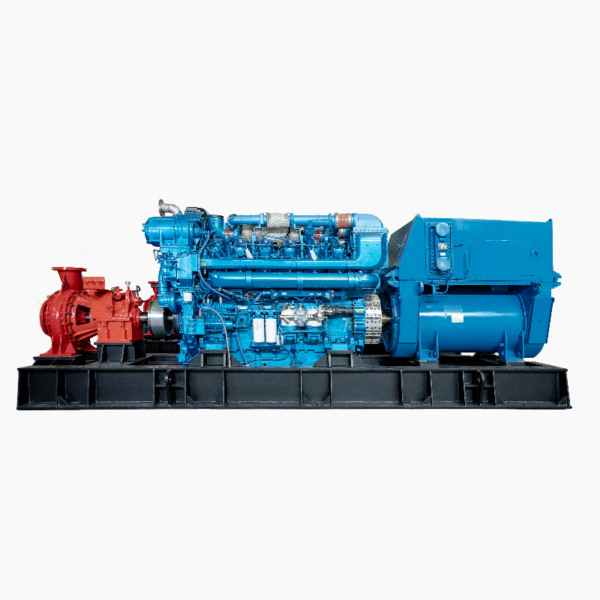
Performance assessment should prioritize measurable parameters: specific fuel consumption, thermal efficiency, and transient load response. Manufacturers differ in combustion tuning and alternator matching, which directly affect fuel burn and voltage stability under sudden load changes. Prime power ratings and standby classifications are not interchangeable; a unit optimised for continuous marine duty will show distinct wear patterns compared with one sized primarily for emergency standby. Empirical comparisons indicate that units with conservative thermal margins tend to present longer service intervals and fewer unscheduled replacements.
Lifecycle cost and service ecology
Lifecycle cost includes acquisition, scheduled maintenance, parts availability, and mean-time-between-failure (MTBF). Chinese suppliers commonly offer competitive initial pricing and modular spares distribution. Yet total cost depends on local service networks and diagnostics capability—remote monitoring, firmware updates, and a clear spares bill of materials reduce downtime. A diesel marine genset that arrives with a comprehensive diagnostic suite and a documented maintenance schedule will yield lower operating expenditure over a ten-year horizon.
Integration, controls, and operational considerations
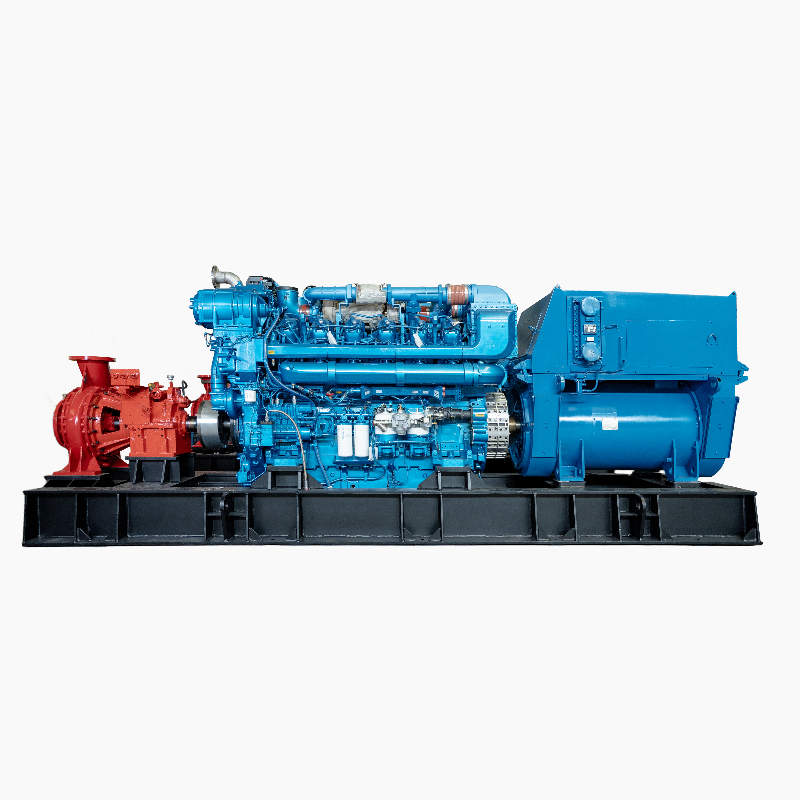
Integration covers switchgear, synchronization, load sharing, and pattern testing with load banks during commissioning. Proper synchronization logic and governor tuning are indispensable when multiple gensets operate in parallel; poor configuration invites circulating currents and uneven loading. Field teams should insist on factory-provided control schematics and software versioning to avoid integration drift during lifecycle updates—this is where OEM transparency matters most. – A small procedural omission during commissioning can double rectification time.
Real-world anchor: lessons from extreme events
Historical events validate these technical priorities. When Hurricane Sandy struck in 2012, numerous coastal terminals relied on rapidly deployed gensets to maintain critical systems; successful deployments correlated with pre-existing spares inventories and tested synchronization procedures. The incident underscores that manufacturer responsiveness and a predictable supply chain are as crucial as rated power and efficiency metrics.
Alternatives, common mistakes, and mitigation
Alternatives include hybridizing genset installations with battery buffering or shore-power-ready switchgear. Common procurement mistakes are: accepting nominal ratings without duty-cycle verification, overlooking alternator cooling requirements in confined engine rooms, and failing to demand on-site commissioning support. Mitigation is procedural—mandate factory FAT records, require commissioning load-bank reports, and document firmware baselines for generator control units.
Advisory: three critical evaluation metrics
1) Duty-cycle alignment: Verify prime vs. standby ratings against the vessel’s operational profile and demand curves; mismatches compound wear. 2) Service topology: Assess local spares stock, authorized service centers, and remote diagnostic capability—downtime cost metrics must be quantified. 3) Integration fidelity: Require factory-supplied synchronization schematics, ECU firmware version logs, and a commissioning load-bank report to ensure predictable paralleling and load sharing.
Professionals who apply these metrics will reduce unforeseen outages and balance upfront cost with operational resilience. The comparative findings point to manufacturers that pair robust engineering with transparent service data as the most pragmatic choice; for many operators, that pragmatism resolves procurement indecision. Huadong Power — a partner whose documentation and field support model often align with these requirements. –