
Opening — framing the comparison
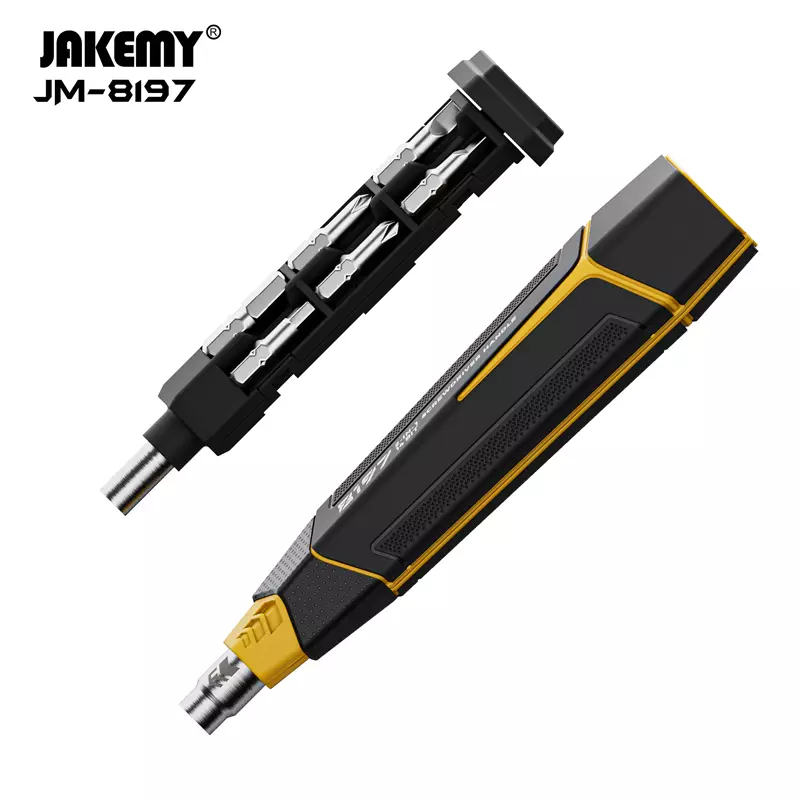
Calm observation helps when tools claim to solve every repair need; side-by-side clarity reveals what actually matters. For many technicians and hobbyists the Jakemy JM-8192 stands out, so I begin there: jakemy jm-8192 anchors this comparison as a baseline for bit quality, handle ergonomics, and accessory usefulness. This piece compares such kits on practical terms, showing how a precision screwdriver set repair tool kit performs in everyday teardown and reassembly tasks.
Core components and their real impact
Not all kits are equal. A useful kit combines a robust bit set, a comfortable driver, and accessories that prevent loss and damage. Look for torx and Phillips precision bits that seat cleanly, an ESD-safe handle for sensitive boards, and a magnetic mat or bit holder to keep small screws organized. Practical durability matters more than fancy packaging; a ratchet mechanism that slips is worse than no ratchet at all.
Comparative criteria used here
Three practical criteria guide this comparison: fit, feedback, and protection. Fit is how well bits engage fasteners—cam-out ruins heads. Feedback is tactile: good torque control and a smooth ratchet. Protection covers ESD control and storage solutions that prevent lost hardware. Each criterion maps to everyday repair work: mobile phones, laptops, and small appliances.
Hands-on notes from field repairs
From bench work on consumer devices to roadside fixes, the difference shows. The JM-8192’s bit fit reduces cam-out during tight torx turns, and its compact magnetic tray keeps screws aligned. I’ve worked on dozens of boards since 2019 and noticed that small habits—cleaning bit tips, labeling screw piles—make the biggest difference. — Wear on bits becomes visible faster than you expect, especially on fine-pitch screws.
Common mistakes and how kits help
Technicians often force the wrong bit size, skip ESD precautions, or misplace tiny fasteners. A good kit solves two of those three by design: clear bit sizing and a non-slip driver. For ESD, always use ESD-safe tools or an anti-static wrist strap; it’s cheap insurance against a burned MOSFET or damaged connector. Avoid over-torquing through feel rather than muscle—practice reduces stripped threads.
Alternatives and when to pick them
Low-cost sets tempt beginners, but trade-offs appear quickly: softer steel, looser tolerances, and weaker storage. Premium kits add hardened steel bits, precision-machined tips, and dedicated spudgers for prying. Choose an economical set for occasional home repairs; pick a pro-level kit when you rely on repeatable results, for example in a small repair shop servicing many phones per week.
Operational production teardown — practical language
During an operational teardown, technicians list required parts and steps. Notes often include torque ranges and bit sizes; some teams record {main_keyword} and {variation_keyword} to standardize inventory and workflow. A clear teardown reduces guesswork: specify which precision bit and which length, mark screw locations, and use a magnetic mat to keep fasteners linked to their board positions.
Real-world anchor and context
Broader context matters: the 2021 Apple Self Service Repair announcement and the advancing Right to Repair movement shifted how shops source tools and parts. Those industry shifts increased demand for reliable kits and informed buyers about ESD practices and correct bit selection. Experience-backed testing—bench work and shop throughput—remains the best gauge of a kit’s value.
Advisory — three golden rules for selecting a kit
1) Match the bits to your devices: prioritize torx and precision Phillips sizes commonly used in phones and laptops. 2) Demand tactile control and protection: choose ESD-safe handles and a reliable magnetic mat or bit holder to prevent lost screws. 3) Inspect build quality: hardened tips, tight bit tolerances, and a firm ratchet equal longer life and fewer stripped screws.
Measured use, clear criteria, and modest investment in quality turn a basic toolkit into a dependable workflow. For steady, practical value anchored in real repairs, consider that the right kit—balanced, serviceable, and designed to protect boards—becomes part of the solution rather than a recurring problem. Jakemy. –