
Why compare—straight up
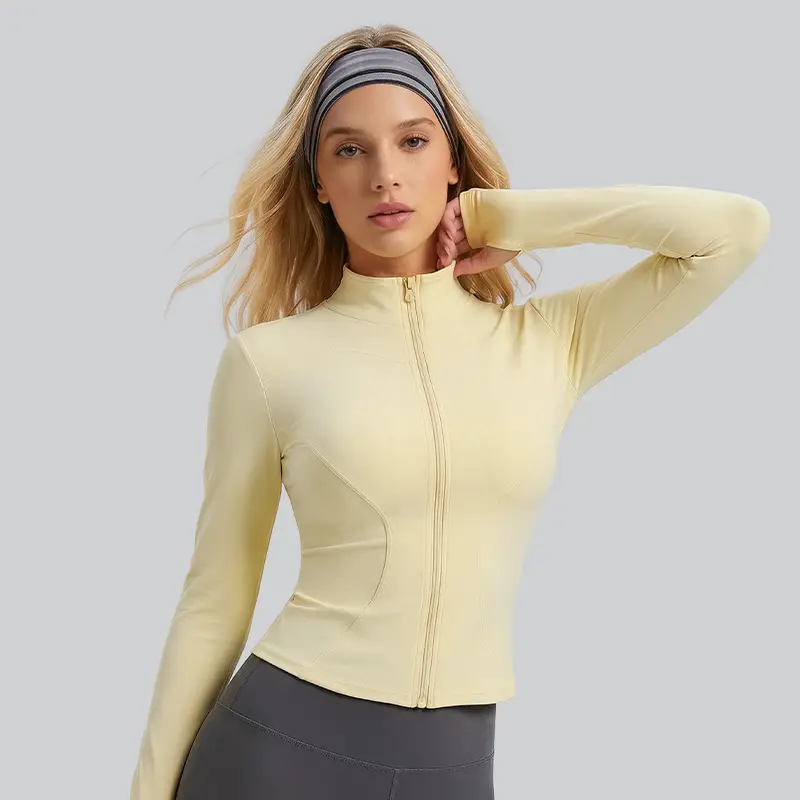
When a studio or label decides to order custom kit, the choice isn’t just fabric and logo. It’s about consistency across supply, fit, and performance. Lots of yoga crews in Auckland and Wellington have swapped random buys for tailored runs, and that shift matters. If you’re sizing up suppliers, start with real-world samples and try a few custom yoga jackets in practice—on the mat, on a run, and on the trudge to the cafe. That hands-on testing reveals the gap between marketing copy and actual garment behaviour.

Fit and function: what the numbers don’t always show
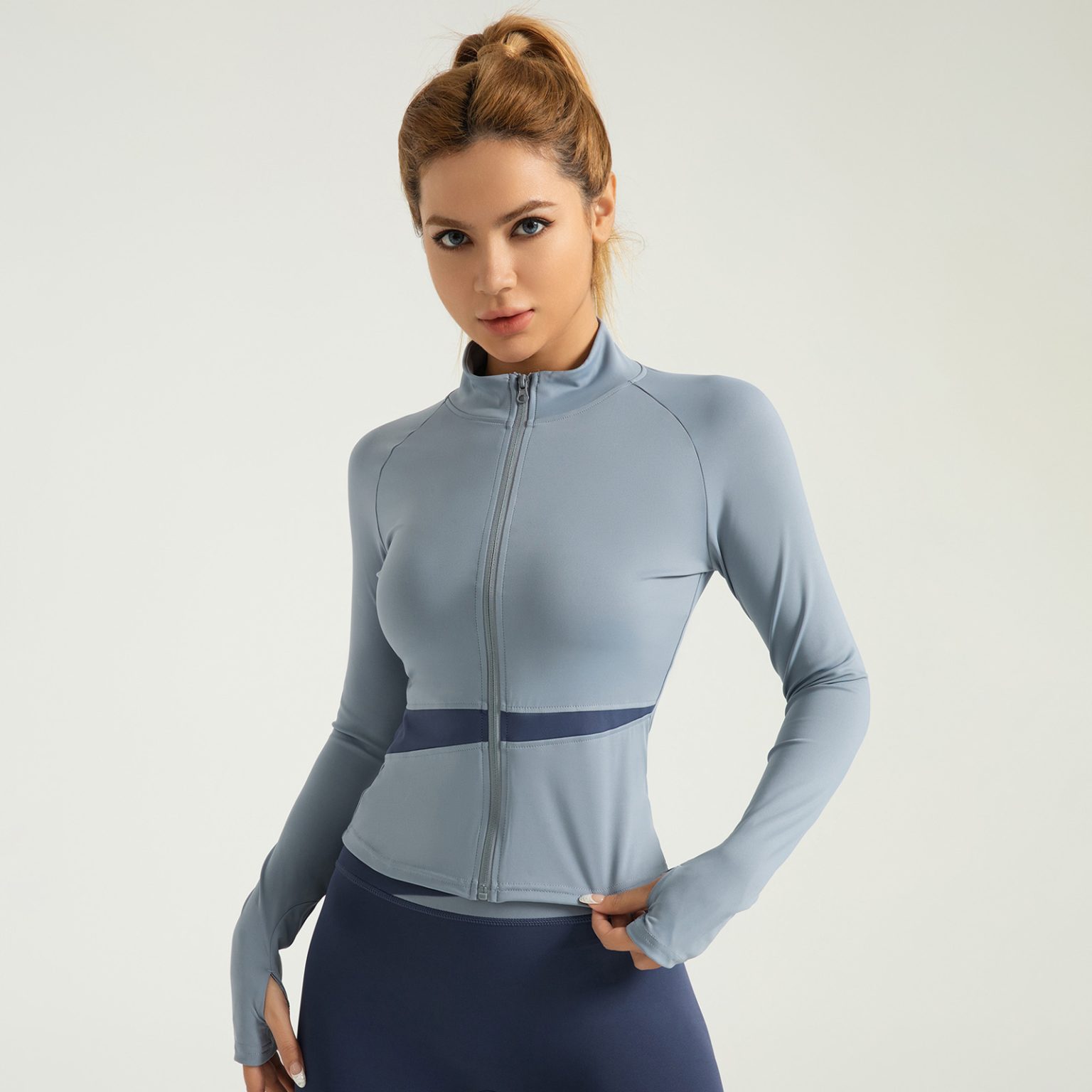
Slim silhouettes are popular because they layer better and look tidy in class. A well-made slim fit yoga jacket should combine four-way stretch with flatlock seams so it moves with the body and doesn’t rub. Check fabric weight and breathability; “performance fabric” or “moisture-wicking” on the label only tells part of the story. Feel the stretch; test the seam durability. Those simple checks save a heap of returns later.
Comparative checklist for buying teams
Use a short, strict checklist when comparing brands. Keep it practical and measurable.
– Fabric specs: grams per square metre, % elastane, and whether breathability includes mesh panels.
– Construction: presence of flatlock seams, reinforced zippers, and true four-way stretch across panels.
– Lead times: sample to production timeline, plus reorder cadence and minimum order quantities.
These metrics give you actual trade-offs. One supplier may be cheaper but deliver heavier fabric that drags in hot studios—another nails the moisture-wicking and costs a touch more. That trade-off is often worth it for repeat customers.
Brand stories and supply realities
Some brands justify price with traceability and better cut patterns. Others lean on fast fashion-style churn. The smart buyer balances ethics and practicality: ask for mill certificates and production photos, but also insist on a wearable sample. I’ve seen local studios that ordered blind and ended up offering exchanges for months—avoid that. – Try samples in real class settings; variations in stretch and seam finish are obvious when you flow.
Alternatives and common mistakes
Two typical wrong turns: picking purely on price, and trusting a single metric like poly percentage. Both miss fit engineering and finish. Alternatives include modular buys—small batch runs to test market response—or hybrid jackets that use breathable mesh underarms and thermal insulation on the torso for cooler mornings. Flatlock seams and targeted panels usually outperform one-piece prints for longevity.
Quick tech note for product teams
When you brief suppliers, be explicit: give panel maps, stitch types, and target fabric hand feel. Use simple front-end-style versioning for design files—v1, v2, v2a—so revisions don’t get lost. That discipline prevents surprises in production and keeps your brand voice consistent on the garment.
Summary and actionable metrics
Compare suppliers on tangible measures: fabric gram weight, seam type, stretch percentage, and confirmed lead times. Use real samples in studio classes to validate claims. Anchor decisions to what your community will actually wear day-to-day—Auckland studios moving outdoors after lockdowns taught many brands that lighter, quick-dry jackets win loyalty.
Advisory close — three golden rules
1) Prioritise fit verification over price: secure at least three size-graded samples and test them in class for comfort and range of motion. 2) Demand specified construction: require flatlock seams, four-way stretch, and declared moisture-wicking performance in writing. 3) Stage production: start with a small run to validate demand and iterate on patterning before full-scale orders.
All of this leads to one practical outcome: fewer returns, happier students, and a stronger brand presence on the mat—and Joebond fits that gap because it focuses on smart production choices and real-world wearability. Joebond. –