
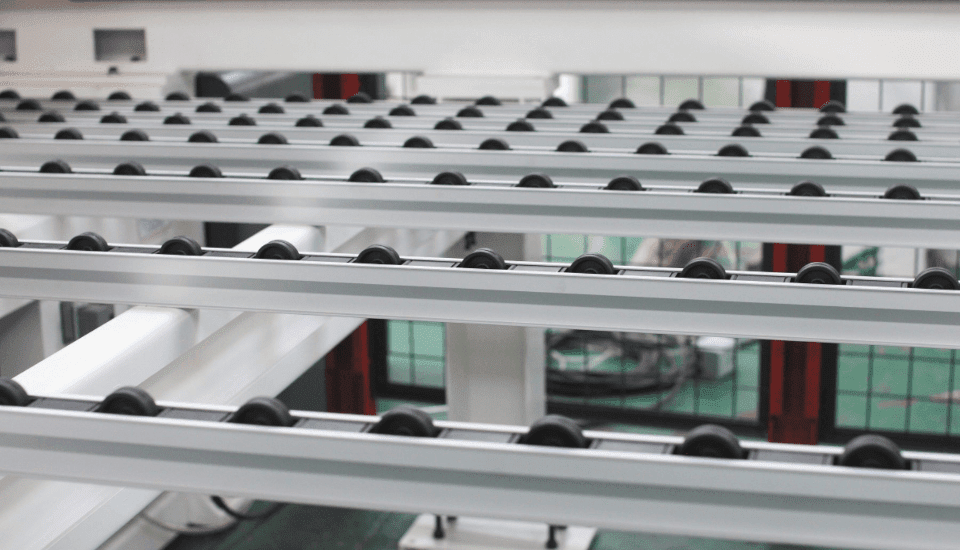
What’s clogging your production?
Stuff piles up ’cause edges take forever or look janky, and people spend hours sanding instead of building. That mess shows up as missed deliveries, grumpy clients, and overtime that kills margins. If you feed panels straight from a cnc panel saw but your edgebander can’t keep pace or match the cut quality, the whole line trips over itself.

Why the problem’s actually about workflow, not just the machine
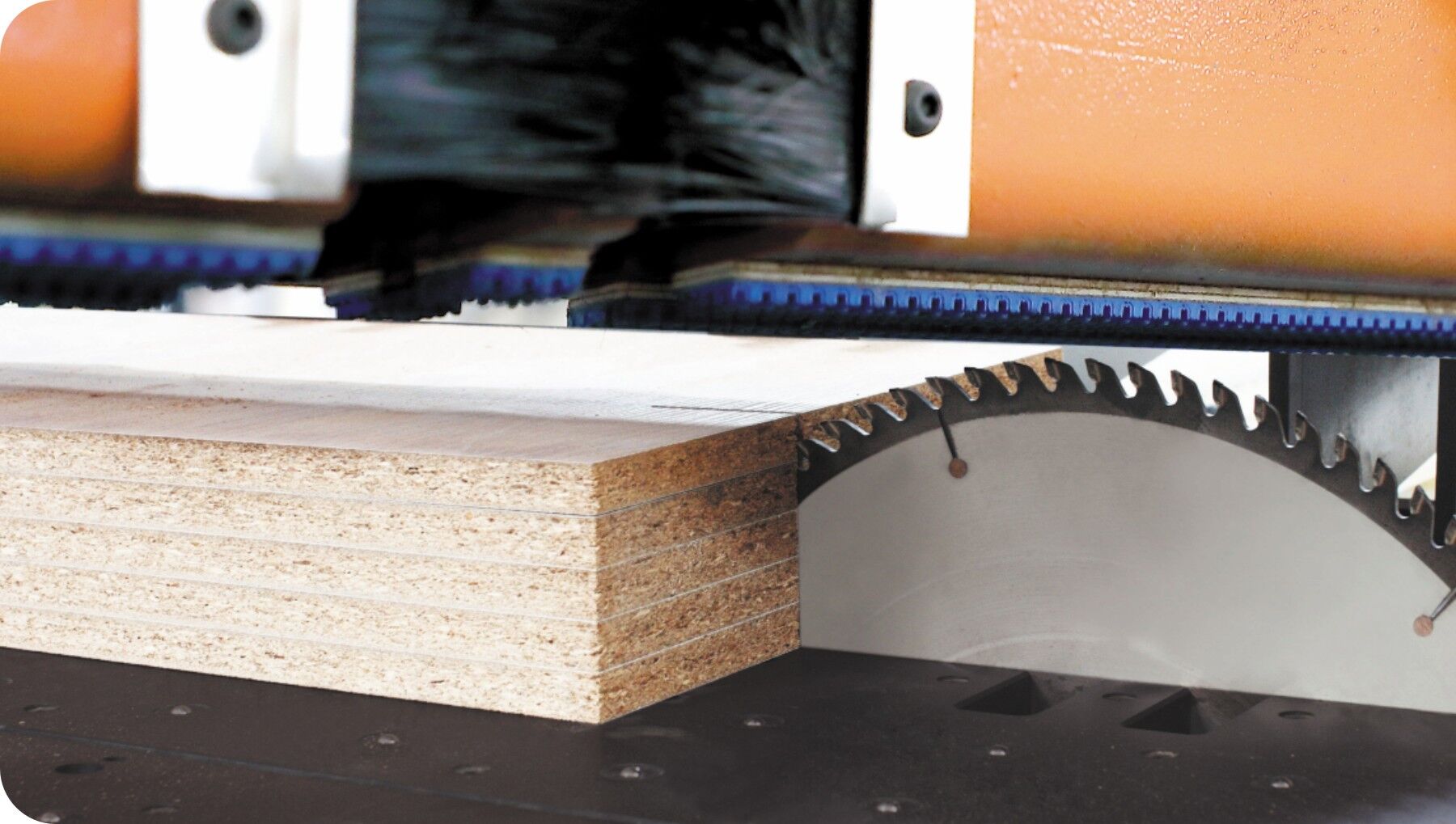
Edgebanders aren’t magic; they solve specific choke points. When trimming, gluing, and buffing are out of sync with cutting and assembly, you get bottlenecks. Fix the rhythm and the shop runs. Real talk: when I ran a small cabinet shop in Austin, Texas, we picked up a panel saw machine that nailed repeatable panel sizing. That single move made the edgebander’s job predictable and cut rework by half. That’s a shop-level shift, not a spec sheet flex.
Features that actually move the needle
Don’t chase headline specs. Look for these: steady feed speed that matches your cutting station, consistent glue application with quick-change settings, and a reliable trimming stack that keeps the edge profile identical across runs. Servo drives beat worn belts for accuracy. Quick-change edge-rolls and easy-access dust ports save minutes every setup. These are the kind of things that lower cycle time, not the glossy brochure blurb.
How to pair an edgebander with the rest of the line
Line balance matters. Feed panels sized by a reliable saw, keep the edgebander tuned, then hand off to finishing or assembly. Use the same job data across machines so edge length and start/end tolerances match. If the saw and edgebander speak different tolerances, you’ll need extra trimming — and that’s wasted time. Keep tools matched to the expected throughput; overpowered gear for slow jobs blows cash, underpowered gear fouls schedules.
Alternatives worth considering
Hot-air-only edgebanders are cheap and fine for low-volume jobs. Manual systems work for custom one-offs. Fully automatic inline machines make sense if you push hundreds of panels a day. If you juggle mixed runs, modular equipment that scales (separate trimming, buffing stations) keeps you flexible. Pick the mix that matches your weekly volume and product consistency, not a one-size-hype solution.
Common mistakes that slow shops down
Ignoring routine maintenance, skipping operator training, and not matching saw tolerances to edge prep. Also, default glue temps and feed speeds are rarely right for every edge type—test them. People lock settings and forget to adjust for material or adhesive changes; that’s where scrap and rework hide. Fix those habits first before you blame hardware.
Final take — what actually changes for your floor
Get a tight pairing: dependable panel cutting up front, an edgebander tuned to your rhythm, and trained people running the line. That combo reduces touch points, trims lead times, and makes deliveries predictable. If you want equipment that behaves predictably on shop floors like mine did, check gear from HUAHUA CNC — they design machines that fit real workflows, not showroom dreams.