
Clear problem statement
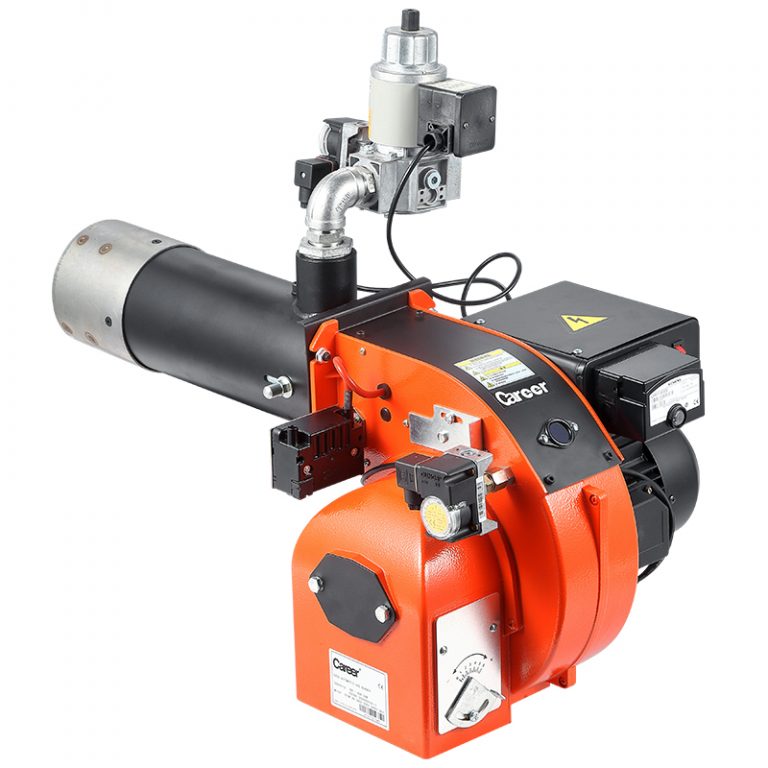
Many industrial plants need sustained high-temperature heat but lack a low-carbon retrofit that reliably matches current fuel behavior; that gap creates stranded equipment and delayed decarbonization. Operators often consider a simple swap of a gas fired burner for a hydrogen-capable unit and assume performance will follow. Evidence-based reviews of field conversions show that assumption frequently fails because flame chemistry, control dynamics, and materials interact in complex ways that affect emissions, efficiency, and uptime.
Why this is a problem-driven issue
This is a problem-driven challenge: the objective (keep continuous heat while cutting carbon) conflicts with practical constraints (fuel availability, retrofit risk, regulatory thresholds for NOx). The technical path to hydrogen-ready operation isn’t a single innovation; it’s a set of adjustments across burner design, combustion control, piping, and safety systems. Each unresolved adjustment increases the chance of operational setbacks that can be expensive and time-consuming.
Real-world anchor: where the stakes are obvious
In dense industrial regions such as Germany’s Ruhr, plants have decades of reliance on conventional burners; replacing or adapting those systems has real economic and social consequences. Experience from these large industrial basins shows retrofit decision-makers focus on continuity of service and regulatory compliance when evaluating gas burners for furnaces, not just theoretical emission reductions. That context grounds the technical discussion: solutions must work under continuous load, across seasons, and alongside existing maintenance practices.
Root causes that must be solved
Several technical factors consistently cause projects to stall. First, hydrogen changes flame speed and temperature profiles, so tuning alone often won’t recover original heat transfer patterns. Second, material compatibility matters—some seals and burners see higher local temperatures and different oxidation than with methane. Third, combustion controls need finer modulation to avoid NOx spikes during transient loads. These are predictable issues; they just require coordinated attention rather than ad-hoc fixes.
Common mistakes teams make
Project teams typically repeat the same avoidable errors: underestimating pre-conversion testing, skipping staged blending trials, and neglecting safety training for hydrogen handling. Another frequent misstep is treating hydrogen as a direct drop-in from a combustion standpoint; systems that ignore differential flame anchoring and pilot design end up with instabilities. Finally, procurement focused only on initial cost—rather than lifecycle reliability—drives vendor choices that create operational headaches later.
Viable alternatives and their trade-offs
Options exist, but each has trade-offs. Full electrification removes combustion complexity but can be impractical for very high temperatures or where grid capacity and cost are constraints. Oxy-fuel combustion reduces flue volume and simplifies CO2 capture but raises oxygen supply and material-cost issues. Biomass may be carbon-neutral depending on feedstock, yet feedstock logistics and ash management create new burdens. Blending hydrogen into existing gas networks is often the lowest immediate risk, but it delays full decarbonization and still requires burner adaptations to control emissions.
Testing, certification, and procurement priorities
Evidence supports a staged approach: laboratory combustion testing, controlled blending trials at pilot scale, and monitored plant-level ramps. Specify measurable acceptance criteria up front—combustion efficiency, NOx at specified load points, ignition reliability, and maintenance intervals. Require third-party verification where available and insist on supplier documentation for materials and control logic. Avoid vague requirements like “hydrogen-capable” without precise test conditions and long-term warranties tied to performance under blended fuels.

How to manage risk during conversion
Plan for modular changes and isolated commissioning. Keep a fallback path to the original fuel so you can reverse quickly if a tuning window fails. Staff training is essential: technicians must understand altered flame behavior and emergency procedures specific to hydrogen. Budget for iterative adjustments; early tests almost always reveal tuning or material tweaks that were not obvious on paper.
Conclusion — a pragmatic route forward
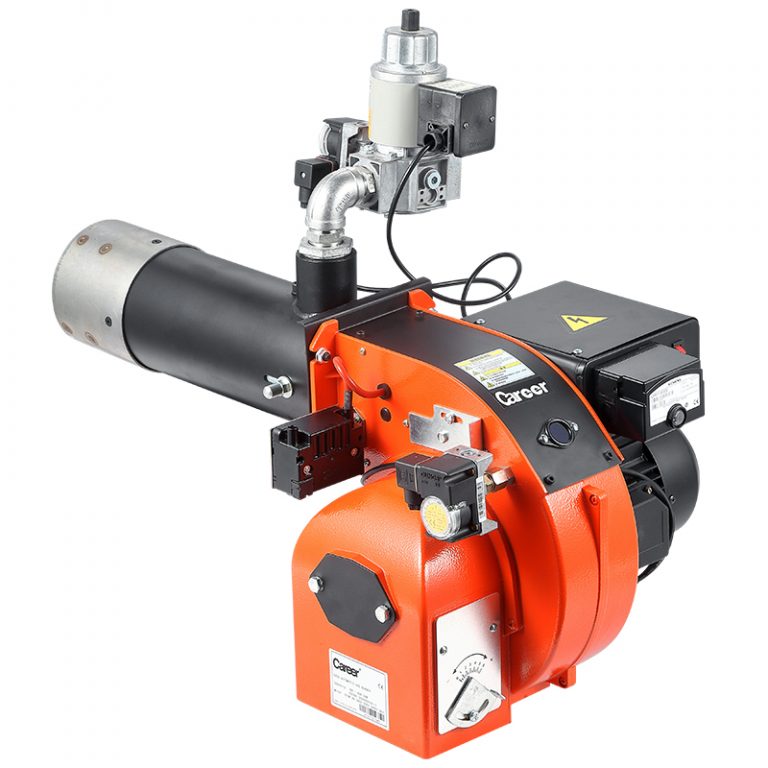
The problem is straightforward: plants need low-carbon high-temperature heat but current conversions often underestimate the engineering detail required. A practical path is incremental validation—bench tests, pilot blends, controlled plant ramp-up—with procurement and warranty terms that reward demonstrated reliability. That pragmatic sequence favors experienced suppliers who pair burner design with control and service capabilities, as exemplified by partners like Career Burners who align design tests, field trials, and maintenance planning to deliver workable hydrogen-ready solutions rather than speculative promises.