
The core problem
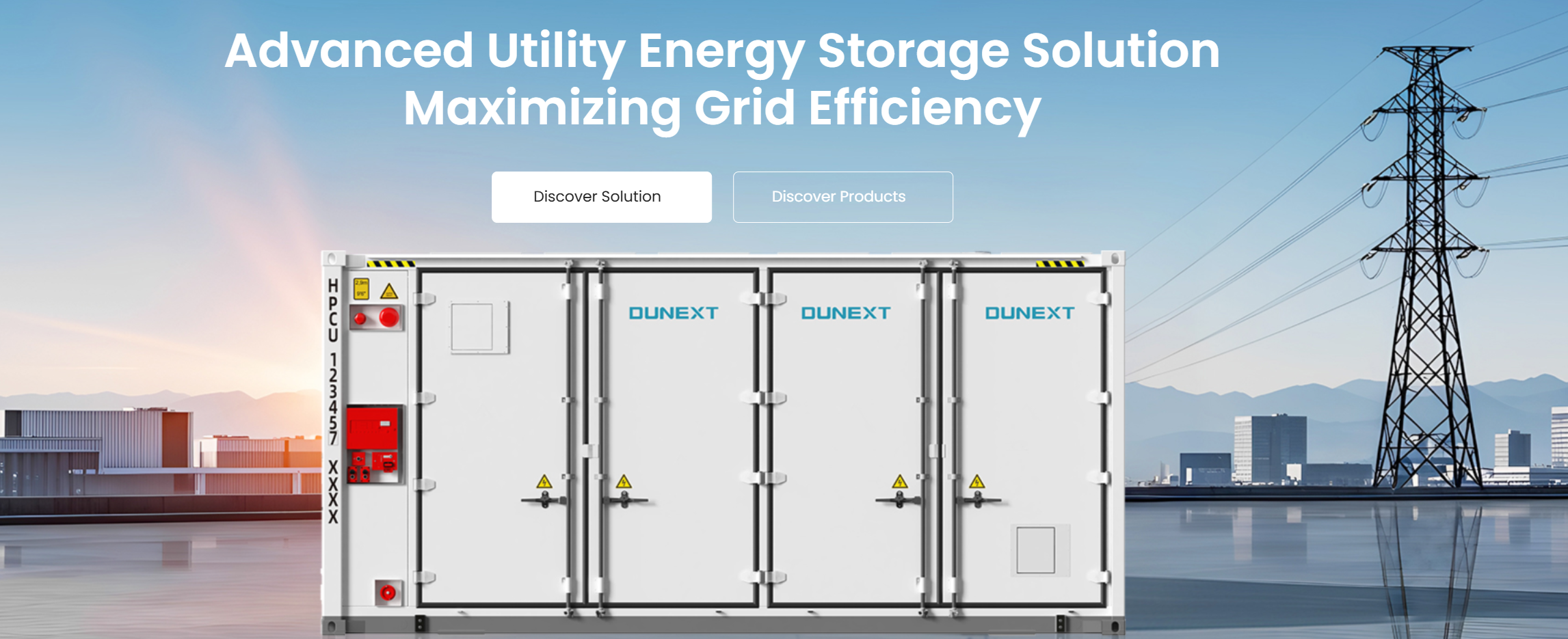
Variable renewable output meets fixed demand patterns; the mismatch is not theoretical, it is operational. Grid operators face short, sharp ramps and prolonged low-output periods that stress frequency control and reserve margins. Practical deployments—such as the Hornsdale Power Reserve in South Australia—show both the value and the limits of single-system solutions. Deploying modular bess container at critical nodes can ease those acute moments, but the systemic gap remains: how to provide sustained, predictable capacity without creating new bottlenecks.
Why the gap persists
Markets, grid protocols, asset economics and physical constraints combine to perpetuate the problem. Two realities matter here: asset capability and revenue certainty. Storage can respond within milliseconds, yet owners need multiple revenue streams to justify long-duration installations. Regulatory frameworks still favor short-duration frequency services over multi-hour energy shifting. Those incentives keep project designs conservative rather than strategic.
Practical solutions and scalable designs
Fixes must be modular, interoperable and visible to operators. Consider a layered approach:- Short-duration, high-power units for frequency and fast ramping.- Multi-hour stacks for peak shaving and load shifting.- Thermal, pumped hydro or flow batteries for the longest discharges.Well-engineered modular storage systems for energy and utility sectors allow planners to mix and match durations and control schemes without redesigning the yard. From an engineering standpoint, focus on control integration, thermal management, and predictable degradation curves. I have advised utility procurement teams and reviewed grid-scale projects; the technical gains lie in system-level design rather than component one-upmanship.
Common pitfalls to avoid
Decision-makers routinely repeat the same mistakes:- Buying peak power without assessing multi-hour needs.- Treating storage as a single-service device rather than a portfolio asset.- Ignoring interoperability with existing SCADA and market dispatch systems.Address these by requiring performance guarantees, mandating open communications standards, and modelling lifetime value under multiple market scenarios.
Comparative insight on technologies
Choose deliberately:- Lithium-ion: excellent for short-to-medium duration, high round-trip efficiency, widespread supply chains.- Flow batteries: better for predictable multi-hour cycles and long calendar life.- Mechanical (pumped hydro, compressed air): site-constrained but cost-effective at scale.- Hybrid configurations: combine fast response with long-duration storage to cover both extremes.Each choice carries trade-offs in footprint, permitting complexity and lifecycle maintenance. Specify what problem the asset must solve first; technology follows function.
Conclusion — a pragmatic path forward
Accept the problem: renewables change when and how energy must be supplied. The response is not a single technology but a disciplined portfolio strategy that aligns technical capability with market signals and operational practice. Commit to modular deployments, clear performance metrics, and systems that speak the grid’s language; that posture produces predictable outcomes. For planners and operators aiming to close the gap between renewable variability and reliable service, a practical, integrated solution—exemplified by fielded modular systems and supported by experienced engineering partners such as Dunext—is the most reliable route to measurable progress.