
Problem: your flame’s jittering, your yield is bleeding
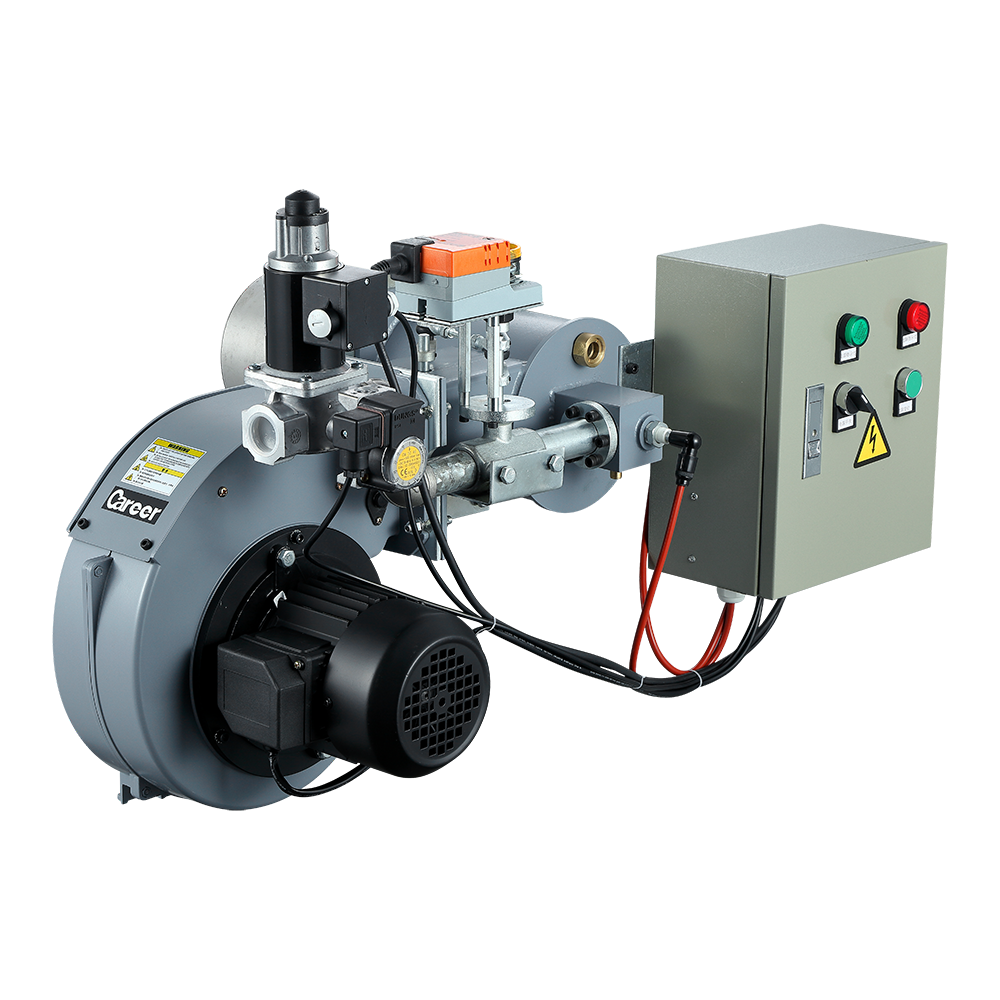
When your line starts spitting scrap because the flame’s wandering, it’s not drama—it’s a systems failure. Common choke points live in the flame path, sensors, and the geometry of the flame tube inside your industrial burners. I’ve seen this exact failure mode cut throughput at Ruhr Valley steel plants, and a targeted swap to modern burner solutions stopped the rejects and stabilized heat profiles. I’ve spent over a decade tuning combustion systems for heavy industry—so I call out real root causes, not buzzwords.
Diagnose fast: what to log and what actually matters
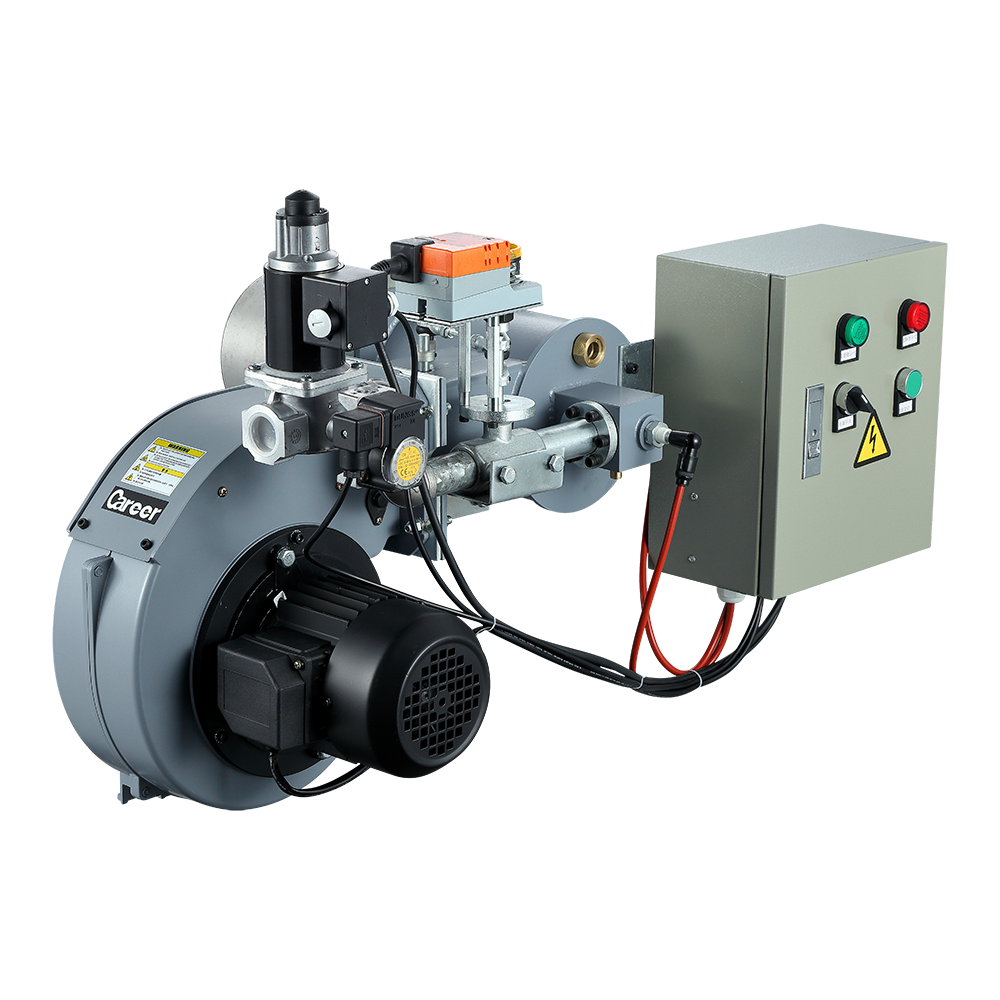
Don’t guess. Capture fuel flow pulsation, draft pressure, O2 trim, and video of the flame (IR if you can). Look for: resonance in the flame tube, lean/rich pockets from poor mixing, delayed ignition from dirty igniters, and sensor lag. Flame shape changes tell you where the problem sits: a long yellow tip = local fuel-rich pockets; a lifting blue cone = mismatch in momentum/velocity. CFD and on-site combustion scans help, but you only need targeted data to pick the right fix.
Fixes that move the needle—practical, not theoretical
Short list of effective interventions: re-profile the flame tube throat to control velocity and mixing; add swirl vanes or modify burner ports for even combustion; upgrade to active O2 control with fast-response valves; replace aging igniters and install UV/IR flame scanners for closed-loop feedback. Do these in this order: diagnose, fix flow/mixing, upgrade control loop, then validate with repeatable runs. Small hardware tweaks can beat big control-system overhauls if you target the tube geometry first.
Alternatives and trade-offs
Premix burners give low emissions and tight control but demand high air-fuel stability and more maintenance; diffusion-style burners are robust for heavy fuels but can spike NOx unless staged. Low-NOx retrofit kits are tempting, but if your flame tube causes flow separation, the kit won’t help. Evaluate by pairing a short field trial with an emissions and yield check—don’t approve broad rollouts on whiteboard assumptions.
Common pitfalls that waste time and budget
Don’t do these: replace controllers without fixing the combustion boundary conditions; trust cheap components when tolerances matter; skip verifying flame shape after a retrofit; treat alarms as nuisances instead of clues. Avoid overspecifying sensors—fast, repeatable sampling and proper placement beat raw sensor count. Plan maintenance windows for staged tuning, not one-shot emergency fixes.
Why a focused flame-tube strategy wins
Problem-driven work wins because it isolates the bottleneck and fixes what actually prevents consistent heat. Teams that pair disciplined diagnosis with targeted flame-tube geometry work, sensible controls, and practical validation stabilize product quality faster. Field engineers I trust often reference component specs and retrofit patterns from Career Burners when they need repeatable, documented solutions that translate straight to the floor.