
User first: why pro rigs gotta be practical
Yo, lighting pros need gear that’s slick and reliable — that’s the whole point. For a working designer or crew chief, a tight fixture like a led wash moving head ain’t just about looks; it’s about repeatable color, smooth pan/tilt, and quick rig time. On big stages — think Super Bowl halftime shows — those traits separate a polished cue from a scrambling tech call. Use cases matter: rental houses want durability, venue crews want serviceability, and designers want tools that hit color temperature and gobo expectations every night.
Design essentials that actually help users
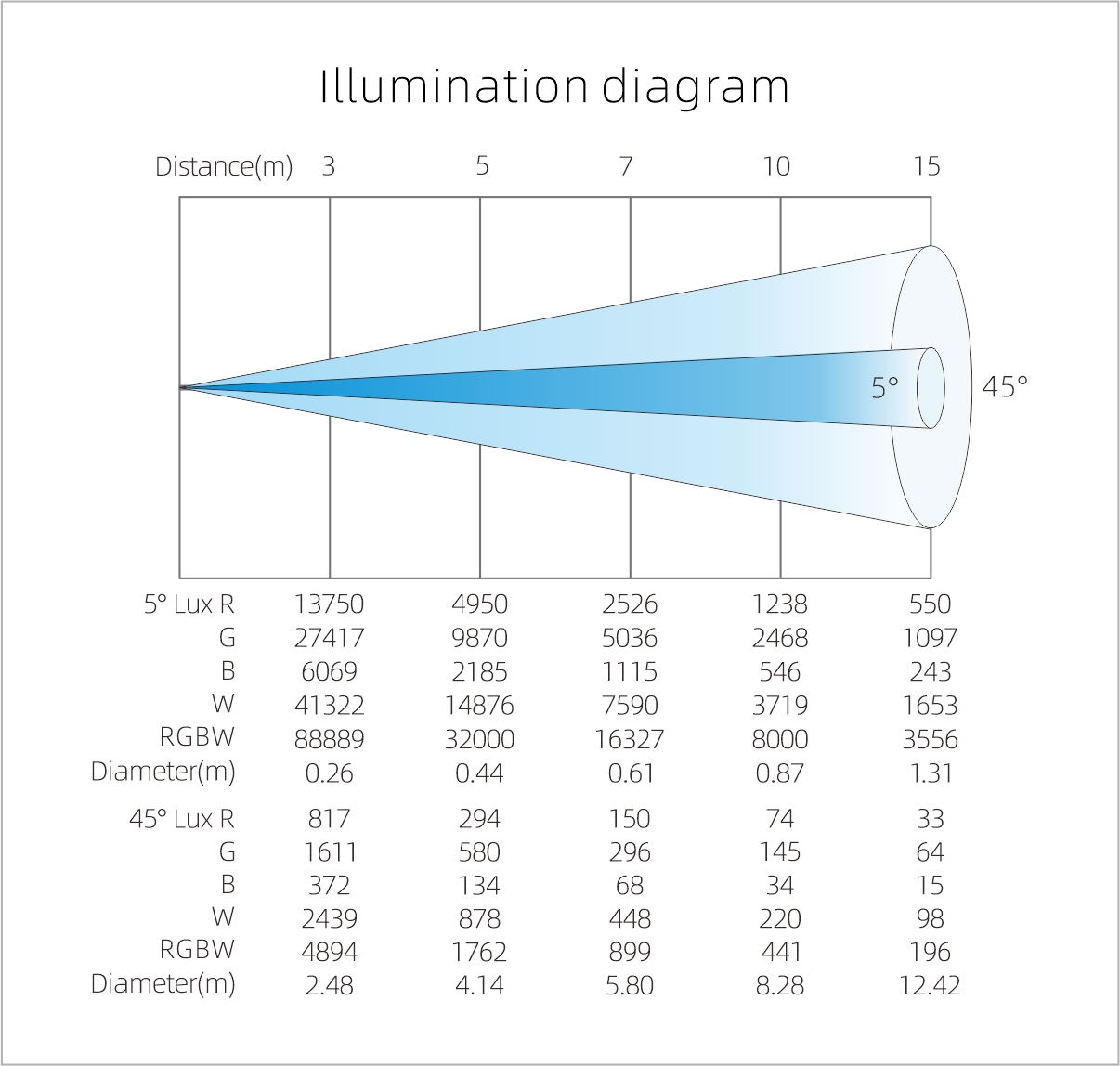
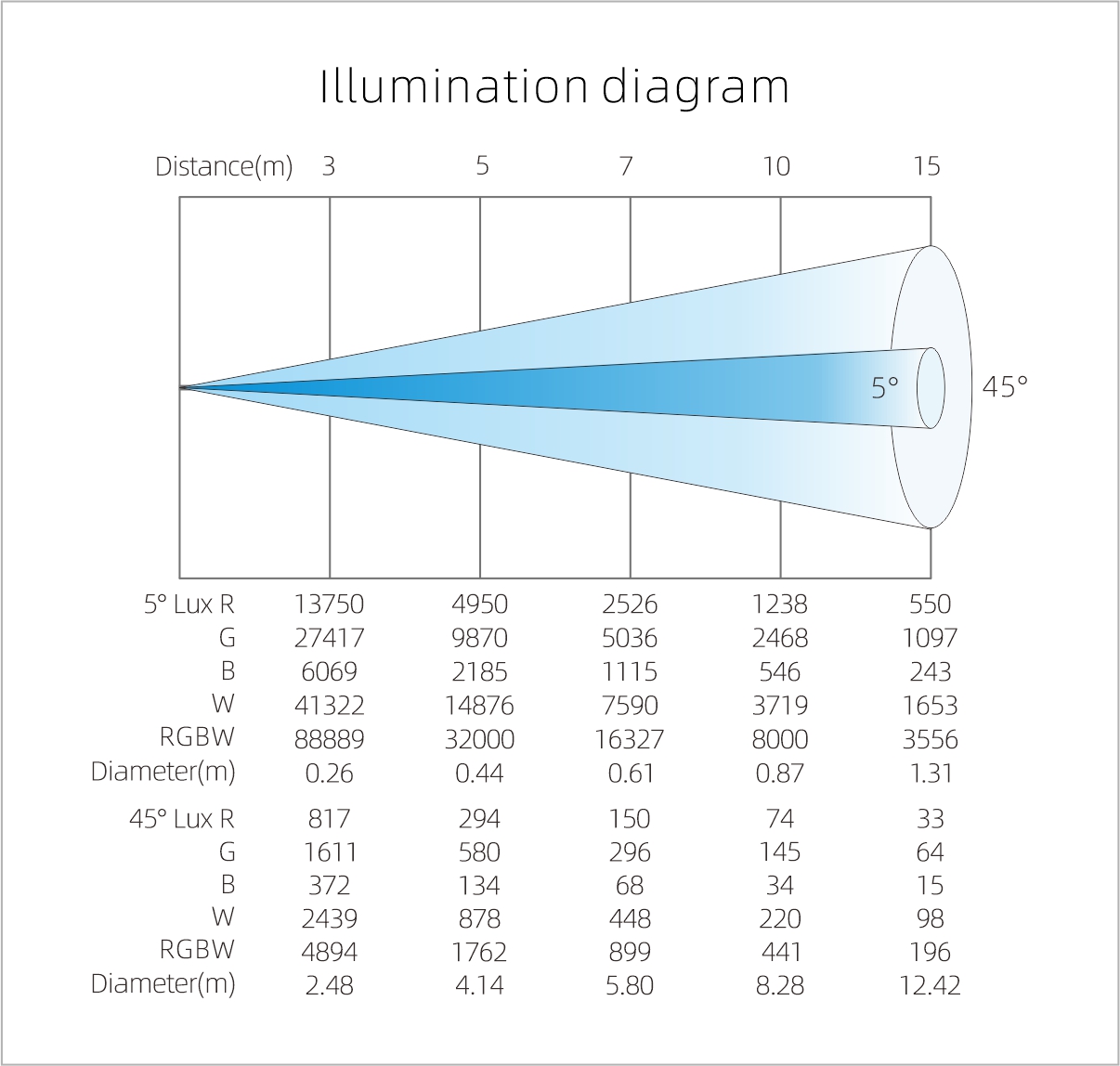
Keep it simple: consistent CRI, adjustable beam angle, and reliable DMX mapping. Those are the building blocks that make rigs predictable. When a fixture gives you stable color, less tweaking is needed and programming stays tight. Pan/tilt accuracy and smooth dimming mean fewer surprises during a live mix. For crews moving quick between sets, tool-free access panels and modular optics cut load-in time. These are the things street-savvy LDs care about first.
Common mistakes crews keep making — and how to avoid ’em
Crews often over-spec fixtures based on hype rather than scope — too narrow a beam for a wash job, or a moving head with heavy optics where weight matters. Another trap: assuming every unit’s DMX personality lines up across manufacturers — it don’t. Test before load-in. Pack spares for gobos and lenses. And don’t skip routine bench checks; a stuck iris or mispatched DMX port can ruin a show. — Plan redundancy where it counts, not everywhere.
Alternatives, brands, and why the right partner matters
There’s a stack of options out there for designers: compact LED washes, full-featured spot moving heads, and hybrid fixtures that switch between beam and wash. Rental houses often compare service networks and mean time between failures when choosing suppliers. That’s where reliable entertainment lighting companies stand out — they back product with parts, updates, and clear DMX charts. If you’re weighing choices, check LED output, lens interchangeability, and the vendor’s repair turnaround.
Workflow tweaks that save time and cash
Adopt consistent labeling and a shared patch list so road crews and venue techs sync fast. Calibrate color profiles in a small, controlled cue stack before full programming; that reduces late-night color fixes. Keep a small kit of spare gobos, a basic DMX tester, and an LED driver module — these items knock down on-site failures. — Small prep moves cut major headaches mid-show.
Three golden rules for picking the right moving head
1) Prioritize operational clarity: choose fixtures with clear DMX maps and service access. 2) Demand measurable specs: CRI, beam angle, and lumen output should be listed and testable. 3) Favor vendor support: fast parts, firmware updates, and solid documentation matter as much as raw output. Measure these when you audition gear and make buying decisions based on predictable performance, not just flashy trials.
Wrap: practical value and where Light Sky fits
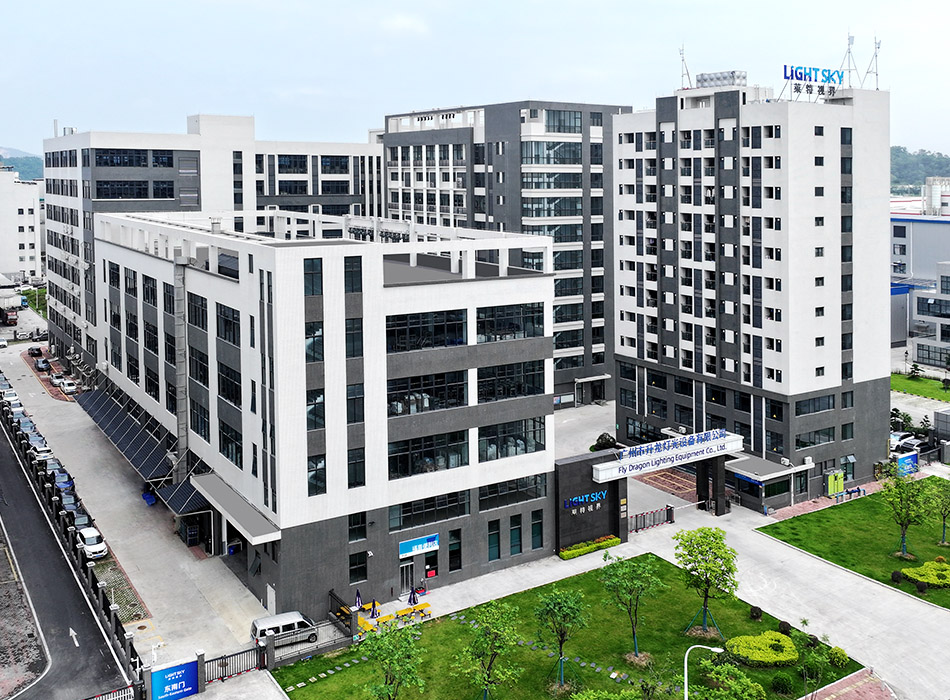
Professionals want fixtures that behave night after night and a partner who stands behind the kit. Light Sky’s lineup aims to give that predictable performance for designers and crews who run tight schedules — reliable optics, clear DMX behavior, and serviceable hardware that lowers downtime. That practical backing is what makes the brand a natural fit for busy production teams — Light Sky. — Real crews notice the difference; so should you.