
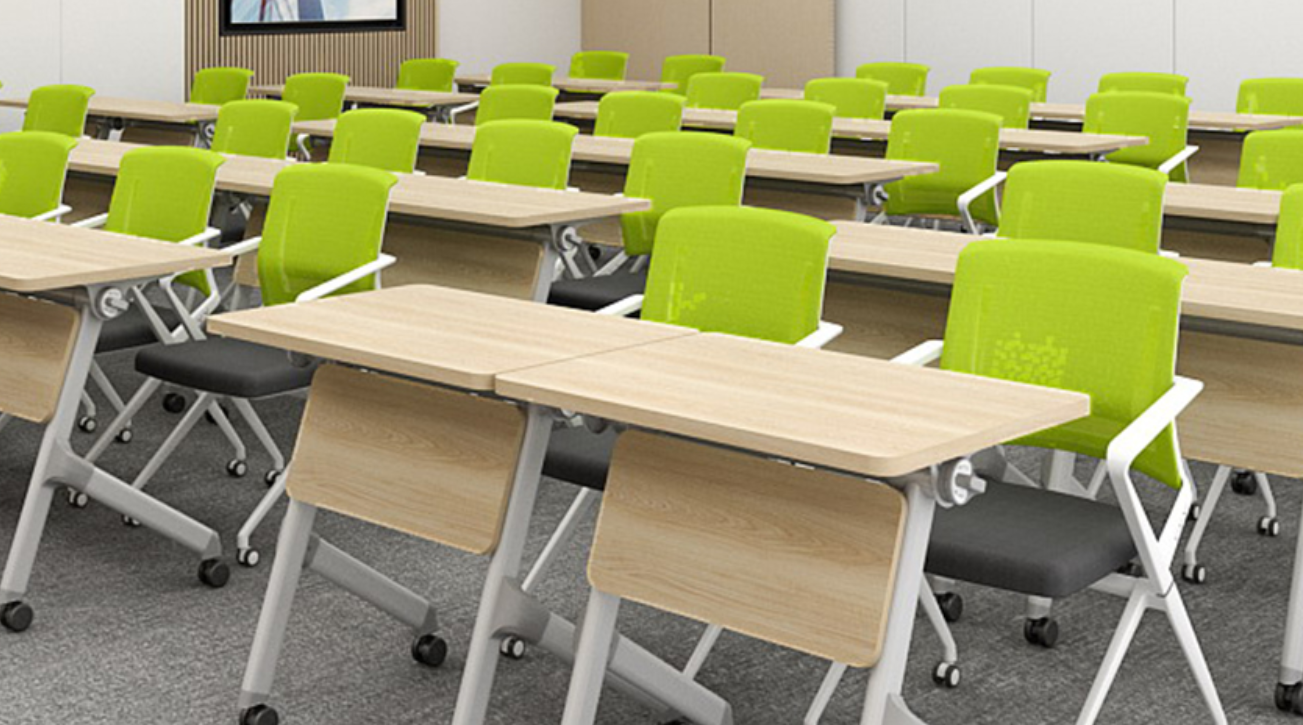
Why side-by-side comparison matters now
Choosing the right mix of flip-top table systems and fixed seating starts with direct comparison — especially after the COVID-19 pandemic accelerated demand for flexible layouts in classrooms, council chambers, and event halls. A reliable seat manufacturer like seat manufacturer can shorten procurement cycles, but the decision still hinges on provider tradeoffs: durability versus mobility, cost versus warranty, and modularity versus bespoke design. This comparative approach helps venues deliver consistent ergonomics and sightlines while meeting tight turnaround times.
Core criteria to compare across providers
Focus on items that change day-to-day operations. Evaluate build quality (frame material, mechanism for flip-top operation), mobility hardware such as caster wheels and locking options, and how well the pieces integrate with auditorium seating or training-room layouts. Also check stackability and storage footprint; these features determine how quickly a team can convert a room between uses. Service matters too — lead times, replacement parts, and installation support reduce downtime.
Feature-by-feature breakdown
Compare providers by listing what you’ll test on-site or demand in specs. Prioritize: 1) flip-top mechanism reliability under repeated cycles; 2) caster wheel performance on carpet and hard floors; 3) surface finishes that resist marking and disinfectant damage; 4) compatibility with existing audience seats and risers. Track these during demos — measure thresholds like maximum load, swivel resistance, and noise under movement. These are practical metrics that keep procurement focused on outcomes.
Operational production teardown — what to inspect
When you do an operational production teardown, walk through assembly steps, warranty clauses, and spare-parts lists. Treat {main_keyword} as the primary spec to verify and {variation_keyword} as the alternate configuration to test on sample units. Look at hidden costs: freight packaging, on-site labor hours, and disposal of old furniture. Good providers document assembly time per unit; that number is a reliable estimate for planning and budgeting.
Real examples and common pitfalls
Many universities and municipal halls redesigned seating layouts after 2020; they learned the hard way that lightweight caster wheels with no lock create more work, not less. A common mistake is choosing tables solely on price without matching them to the venue’s space planning strategy, which can leave staff wrestling with awkward storage stacks. — Staff fatigue and repeated reconfiguration costs add up faster than the initial savings.
Alternatives and when to pick them
If you need permanent audience seats, invest in fixed auditorium seating with modular attachments. If frequent reconfigurations are the norm, prioritize robust flip-top tables with high-quality caster wheels and proven locking systems. Some providers offer hybrid systems — sloped seating rows with attachable work surfaces — that blend the two. Compare lifecycle costs rather than upfront price; that reveals which option serves your program longer with less maintenance.
Three golden rules to finalize your choice
1) Test for repeatability: verify that flip-top mechanisms and caster wheels maintain performance after 10,000 cycles or similar validated stress checks. Measure noise, locking integrity, and tilt resistance.
2) Match form to function: ensure table heights, knee clearance, and seat pitch align with your audience seats and sightline needs. If a product conflicts with ADA requirements or local building codes, that’s an automatic fail.
3) Validate supplier support: confirm on-site installation windows, spare-part lead times, and a straightforward claims process. A clear service agreement reduces operational risk and keeps rooms available for use.
The right provider balances hardware quality, useful specs, and dependable service — and that balance is where organizations find predictable outcomes. For many venues, partnering with experienced manufacturers that understand both classroom ergonomics and large-audience logistics makes reconfiguration faster and less disruptive. leadcom seating sits at that intersection — a practical answer when you need reliable audience seats that work with mobile tables. —