
The core problem
Clients buy shade and then discover they also bought delays, leaks, or compatibility headaches; a rooftop café orders a solar pergola and finds the mounting, electrical routing, and warranties weren’t coordinated. I see the same failure pattern: unclear specs, fragmented vendors, and optimistic timelines. That mismatch turns budgets into negotiations and schedules into risk.
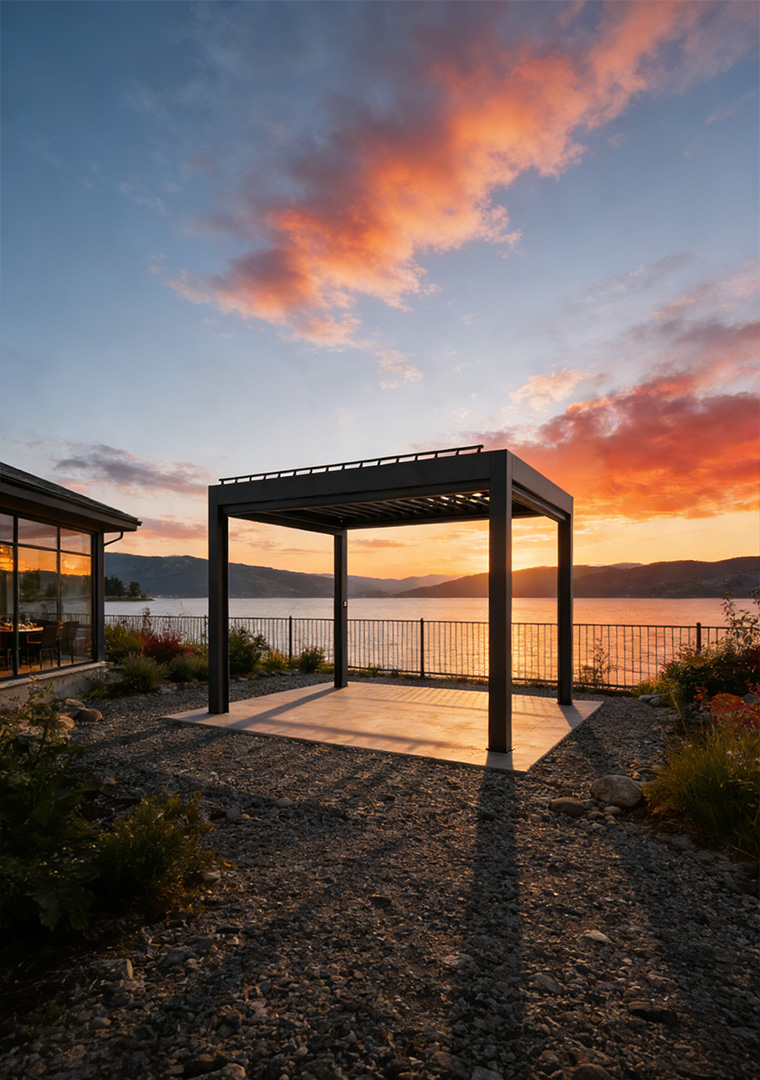
Why projects go wrong
Suppliers quote different baselines: one includes structural engineering, another treats it as change order. Manufacturers use different finish tolerances and hidden framing details. Contractors assume the electrical scope is separate from the structural scope. Shipping windows slip when aluminum extrusions or inverter components are back-ordered. Those conflicts create cost creep and stretched lead times; they also hide the true quality trade-offs until installation.

One industry touchstone and a practical procurement fix
Regulatory expectations matter—look at California’s Title 24 for how rooftop and solar integration affects design decisions—and the same rules shift how you detail requirements for commercial pergola designs. Use a single, vendor-neutral technical brief that lists structural loads, PV attachment details, drainage, finish class, warranty lengths, and certificate requirements. Put those items in the bid package so every bidder prices the same scope; that single document removes the common ambiguity that doubles costs or months of rework.
Cost, lead-time, and quality realities you can plan for
Expect ranges, not guarantees: basic commercial pergola structures typically cost substantially less than pergolas with integrated solar and engineered foundations. Off-the-shelf modules and standard finishes shorten lead times to a few weeks; custom extrusions, special powder coats, or integrated PV rails extend lead time to several months. Higher-quality outcomes rely on tested connections, corrosion-rated materials, and certified fasteners—cheaper quotes often cut corners where you can’t see them until the first storm. Budget for clear contingencies: an allowance for unexpected engineering, and time for permit reviews tied to electrical interconnection.
Common mistakes and how to avoid them
Don’t mix vague drawings with firm delivery dates; vague drawings invite change orders. Don’t separate the structural, electrical, and finish specs—bundle them into the procurement package. Don’t accept warranty terms without confirming who’s accountable if solar modules cause roof leaks. Don’t assume lead times won’t shift; ask suppliers for current stock reports and freight policies. Inspect sample finish panels and fasteners before full production; that single physical sample prevents a widespread mismatch after fabrication.
A short checklist for clean sourcing
Define loads, attachments, and PV integration in one document; require sample panels and finish coupons; confirm UL/ASTM or equivalent certifications; set clear milestones with penalties for missed, avoidable delays; require a single point of technical responsibility for warranty issues; include a contingency for site-specific engineering and permitting. Use those items to compare bids apples-to-apples and to spot lowball offers that will add costs later.
Where this leads
Address the three failures—cost surprises, long lead times, and hidden quality gaps—by forcing clarity: one technical brief, verified samples, and a single accountable vendor line. That sequence shortens schedules, reduces disputes, and preserves budget value; when teams apply these steps, procurement becomes predictable rather than reactive, which is exactly the type of practical reliability Light Hunter aims to deliver on large commercial projects.