
The visible problem, described simply
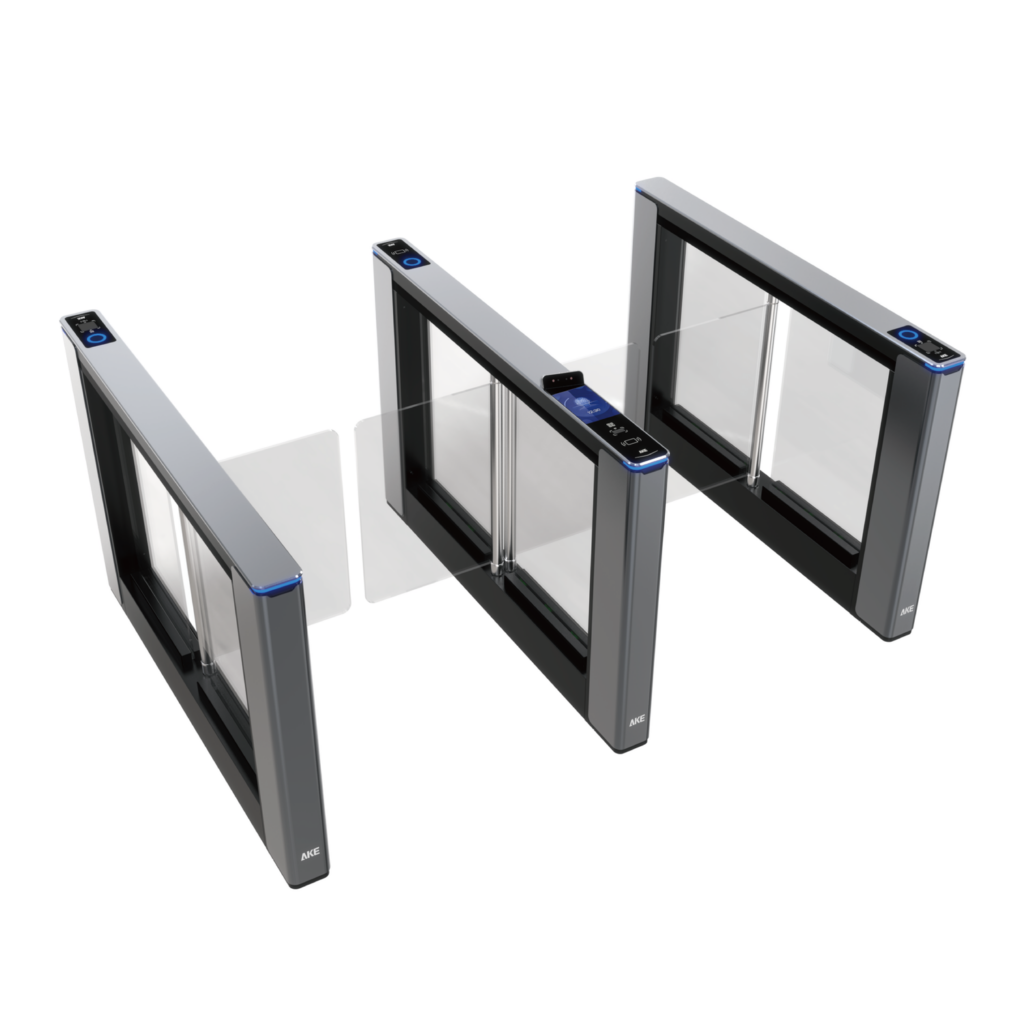
Cars circling the block, riders leaving spaces half-used, staff at the gate manually checking passes — these are daily losses for operators and drivers. A practical fix isn’t just software. Physical control at entries matters too, like a reliable speed gate turnstile that keeps traffic orderly while systems talk to one another.
Why this problem deserves a focused solution
Poorly managed parking eats time, raises emissions and frustrates people. When entry is slow, queues spill onto streets and bikes try to squeeze past, causing safety issues. The problem is fragmentation: sensors, payment, access control and signage often come from different vendors and don’t share a clear protocol. That gap is what drives congestion at the curb and bad user experiences.
What an automated parking management system must solve
Make decisions fast, use accurate data, and be predictable. Key functions are clear: detect free bays (sensor or camera), identify vehicles (ANPR), manage time and payments (mobile or RFID), guide users (dynamic signs), and control access (barriers or turnstiles). Systems must expose APIs for public transport, delivery fleets and curb managers so the parking lane becomes part of the whole trip, not an isolated task.
Real-world anchor, and why hardware matters now
High-throughput transit operators have long used controlled gates to keep passenger flow stable; for example, Hong Kong MTR documents show automated gates raising throughput and security while reducing staff intervention — a strong precedent for deployment choices. Manufacturers pair those same access principles with modern parking gear, including speed gate turnstiles, so you get measured access control that integrates with back-end management and reporting.
Common mistakes teams make
They assume one sensor type fits all, they deploy access hardware without syncing it to payment rules, and they forget local user habits — like many riders using smaller vehicles or arriving in groups. Other mistakes: ignoring network resilience, skipping field calibration, and treating cybersecurity as an afterthought. Each error creates expensive rework later.
Practical rollout checklist — short and actionable
Start with user flows: map arrivals, dwell time, and peak windows. Choose detection tech for the bay type (camera ANPR for cars, magnetic sensors for bikes). Match access hardware to lane speed and security needs. Define APIs for transit and curb operators. Pilot a single lot for 4–8 weeks, measure throughput and complaints, then expand. Include maintenance SLA and clear escalation for payment disputes.
How this fits a city mobility strategy
Parking control becomes a mobility instrument when it shares data: spare spaces feed routing apps, curb time limits free freight lanes, and reservation slots support multimodal links. That requires honest metrics — occupancy, turnover, entry time — and vendors that supply both reliable hardware and integration support. When those parts talk, operators can reduce circling, speed up entry, and keep pedestrian and rider areas safer.

Final synthesis and where to look for dependable supply
Fix the core problems first: control at the gate, clear detection at the bay, and predictable payment and guidance. Projects that combine those elements and work with experienced partners get consistent results; on several deployments I’ve seen, teams choose suppliers who deliver both the mechanical access and systems integration, such as AKE Parking, because that combination reduces surprises and keeps daily operations running smoothly.