
Quick read: what matters
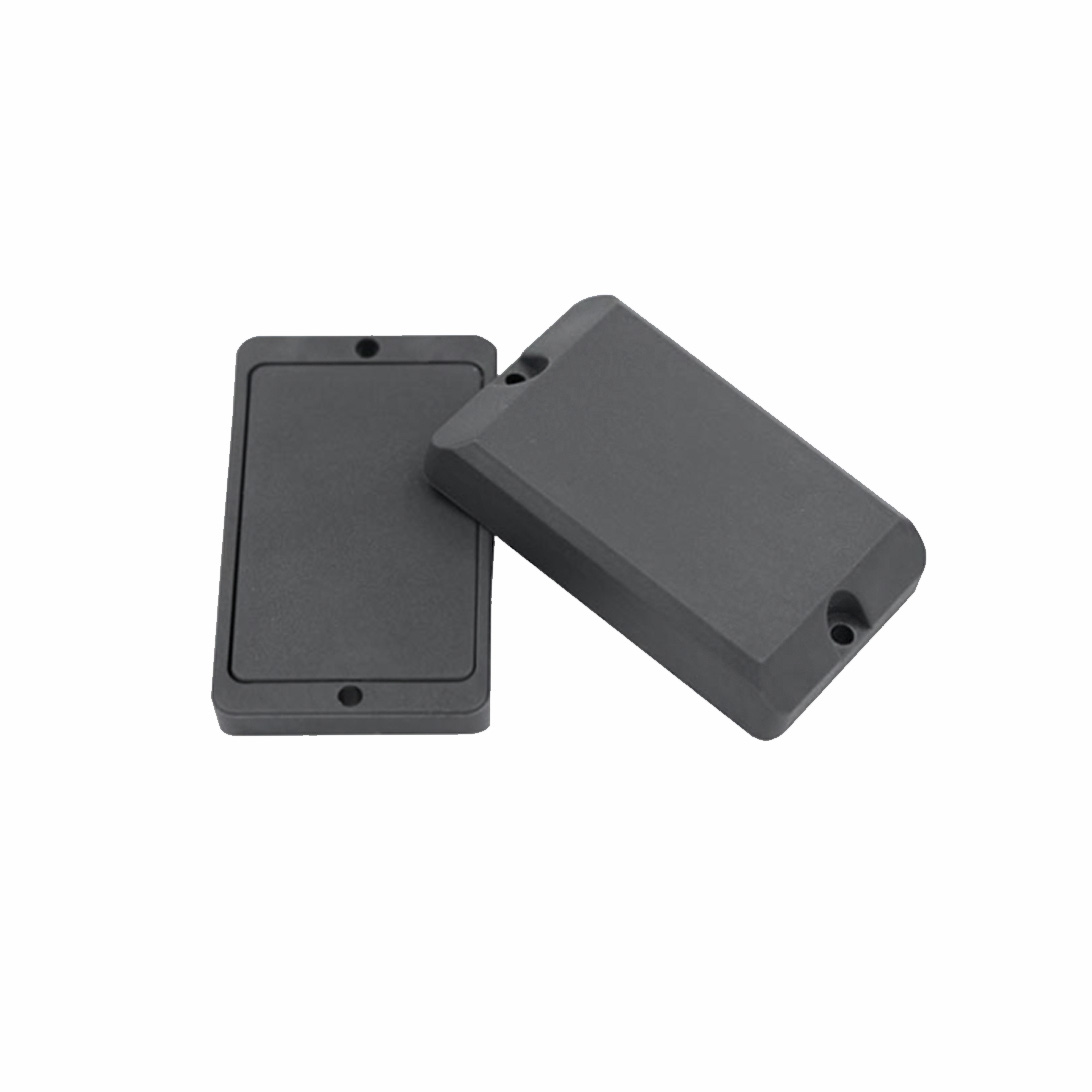
You need tags that just work for your use case — not glossy specs. Start by matching read range, battery life, update support, and ruggedness to your real setup. If you’re shopping, glance at actual product families under RFID Tags to see how vendors present ranges, battery types, and mounting options; that first look tells you who understands practical deployments.
Checklist you can use
Focus on measurable facts: claimed read distance (with test conditions), battery chem and replaceability, IP/IP69 ratings, operating temperature range, protocol support (look for ISO 18000-7 where relevant), encryption options, firmware update method, sample availability, lead time, and clear warranty terms. Ask for a spec sheet that ties tests to real conditions — numbers only matter when you know how they were measured.
Field testing that actually proves it
Run site-replica tests. Place tags where they’ll live, run your readers at expected intervals, test tag orientations, and saturate with real traffic levels. Measure false reads, missed reads after X days, and battery drain under your polling rates. Keep tests simple: a controlled 72-hour burn-in and a week under operational load will expose most problems.
Common pitfalls to avoid
Don’t buy on datasheets alone. Vendors publish peak numbers measured in ideal labs. Don’t skip firmware review — a tag with locked firmware or no OTA fixes will cost you later. Avoid one-off cheap batches; variability between lots happens. Don’t accept vague SLAs on replacements or lead times. Security isn’t optional: weak IDs or no encryption equals risk.
My experience and why it’s trustworthy
I’ve run procurement and lab trials for over eight years, comparing lab specs with field behavior in ports and distribution centers. Field reports from the Port of Rotterdam confirmed that tags rated for rough environments still need site-specific tuning. I cross-check vendor claims against standards like ISO 18000-7 and regulatory approvals, and when I’ve compared offerings, the active tag supplier choices often differ most on firmware support and supply reliability — active tag supplier variations show that clearly.
Wrap-up
Be practical: define what “works” for your site, force vendors to prove it under your conditions, and avoid one-off decisions based on price or marketing. For teams that want clear specs, steady deliveries, and visible test data, vendors like RSTC tend to match those needs without the guesswork.