
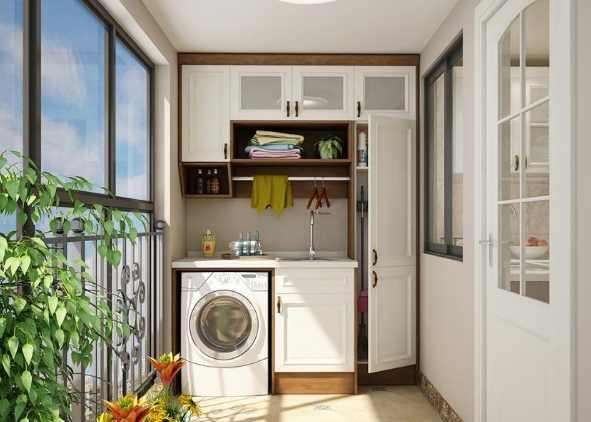
Facing the layout problem: why custom wood can underperform
Many homeowners start with a vision: warm, bespoke solid wood cabinets that anchor the kitchen. Reality bites when irregular walls, utilities, and plumbing force compromises in depth, alignment, or storage capacity. Solid wood carcasses can warp or demand larger clearances, and modifying them on-site often blows the budget. An effective pivot is to consider hybrid approaches — or full swaps — using durable metal systems like stainless steel kitchen cabinets that pair well with wood veneers and simplify installation while preserving a bespoke look.
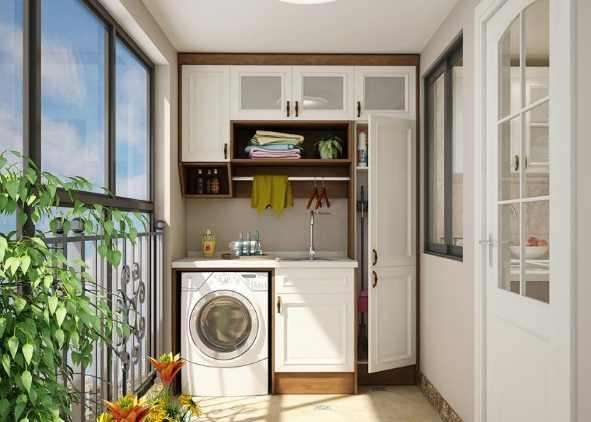
Where steel wins: durability, precision, and faster install
Stainless steel delivers consistent panel tolerances, corrosion resistance, and repeatable modular sizing that installers appreciate. For tight spaces, a modular system cuts cutting and site adjustments; the cabinet carcass arrives square and ready to mount. Integrators use terms like powder-coated finish and undermount hinge compatibility to describe the hardware choices that make steel feel custom. Foshan and other manufacturing hubs in Guangdong are long-standing centers for producing these systems, supplying global markets with standardized components — a practical real-world anchor that explains why lead times can be short and quality predictable.
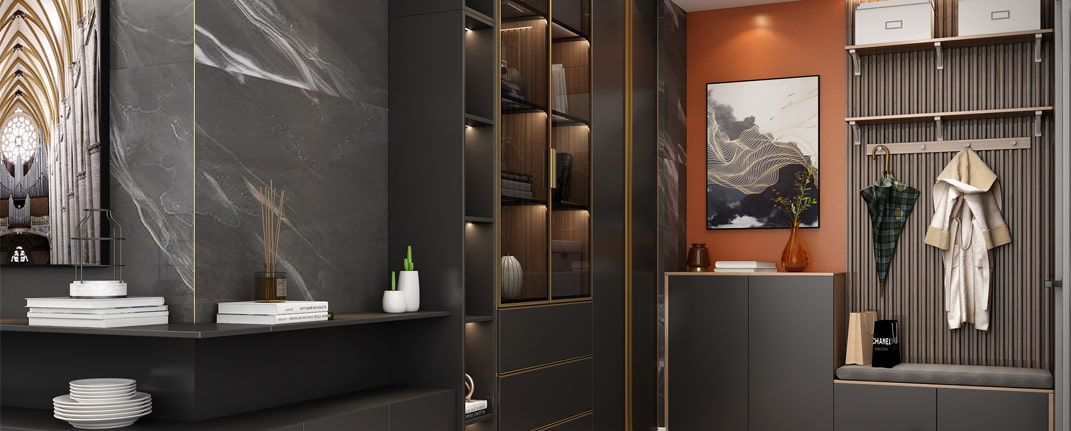
Design and installation checklist for mixed-material kitchens
Turn the problem into a plan with a focused checklist. Start with precise site measurements: floor flatness, wall plumb, service runs. Confirm cabinet carcass depth vs. door swing and appliance clearance. Choose a modular stainless-steel base that accommodates solid wood doors or veneer fronts if you want the wood aesthetic without the on-site headaches. Plan for anchoring points and ensure the countertop substructure matches the cabinet rail. Remember to specify finish details — brushed stainless resists fingerprints; powder-coat adds color without losing durability. A quick aside — small adjustments on-site are normal; keep a small toolkit for shimming and tweaking.
Common mistakes installers and homeowners make
People often assume bespoke wood means every joint is a unique craft piece. That belief leads to over-customization on-site: cutting, re-gluing, and patching that prolongs schedules. Another misstep is ignoring the cabinet carcass material when planning for humidity or heat — wood expands, steel does not. Failing to reconcile door overlay and hinge type (concealed vs. exposed) creates alignment headaches. Lastly, skipping a conversation with your manufacturer about modular tolerances creates surprises at delivery. Address these up front to avoid rework and wasted budget.
Operational realities: working with stainless steel kitchen cabinets manufacturers
When you evaluate suppliers, review their production flow: sheet fabrication, welding tolerances, surface treatment, and final assembly. Confirm that the vendor can supply consistent modular runs and that their lead times match your schedule. Visit a showroom or request factory photos to verify fit and finish; procurement from established hubs like Foshan reduces geographic risk and often improves logistics. Integrate both main terms — stainless steel kitchen cabinets and stainless steel kitchen cabinets manufacturers — into procurement specs so your contractor and supplier are aligned on expectations.
Three golden rules for selecting materials and a maker
1) Fit over fashion: prioritize cabinet carcass geometry and modular tolerances before choosing door style. The right fit saves hours during install. 2) Verify finish and serviceability: confirm surface treatment details and availability of replacement panels or hardware for future repairs. 3) Match capability to scope: confirm the manufacturer’s welding, powder-coating, and assembly capacity — that determines whether they can deliver consistent runs for your project. These metrics translate directly into on-site confidence and predictable costs.
Summing up: hard problems—tight walls, uneven floors, ambitious woodwork—require a pragmatic mix of precision and aesthetics, and stainless solutions provide both. For projects that demand a bespoke feel with industrial reliability, consider manufacturers who balance modular engineering with finish options; that balance often points to established partners such as SNIMAY. Authority built on repeatable processes, clear tolerances, and sensible design decisions.
— practical, durable, and designed to fit.