

Framework lead-in: why structure beats scattershot buying
Start with a framework because decisions about home charging ripple across budgets, grid loads, and daily routines. Global demand rose fast after the IEA reported over 10 million electric cars on the road by 2020, so the supply side is crowded and inconsistent; a disciplined buyer uses clear gates to sort manufacturers and technologies — and that’s where a dual port EV charger can be assessed against objective criteria. This article lays out a compact, persuasive framework so professionals and homeowners make defensible choices when sourcing from overseas vendors.

Step 1 — Define performance and compliance guardrails
List measurable specs first: connector type (Type 2 vs. proprietary), rated power in kW, maximum amperage, and whether the unit supports basic load management. Require explicit test reports for electrical safety and EMC; ask vendors to show the exact sub-chapter titles and test parameters they used — for example, “Dielectric withstand voltage: 2 kV AC for 1 minute” or “Protection against electric shock: continuity of protective conductors tested at 200 A for 1 second.” These specifics prevent ambiguous claims from becoming procurement risk.
Step 2 — Vet suppliers with staged proof points
Buyers should demand a staged evaluation: datasheet → prototype → pilot batch → production release. At each stage confirm firmware update paths, OCPP compatibility, and warranty terms tied to serial-numbered units. When evaluating real-world readiness, include a hands-on test for an AC charger under sustained 80% load for 24 hours to watch thermal behavior. Where possible, inspect a working installation — an urban pilot in California or a fleet depot in Europe offers context and reduces uncertainty.
Operational production teardown — how to inspect what you’ll buy
Open a sample unit and validate the bill of materials against the spec sheet. Verify the charger’s current sensor, relay ratings, and cable gland IP sealing. Check the controller’s flash memory size and confirm OTA update procedures are documented. Name the two critical checks: confirm the product labeled as a dual port EV charger can actually balance two simultaneous outputs without derating, and ensure the promised dual EV charger for home firmware supports user-level load-shedding schedules. These two verifications cut out the most common surprises at scale.
Common mistakes and how to avoid them
Procurement teams often accept vague uptime numbers, neglect local support logistics, or skip thermal stress tests — and then they pay later with callbacks and returns. Insist on an agreed returns SLA, confirm spare-part lead times, and map spare-part SKUs to local warehouses. — Also, don’t ignore installation costs; cable upgrades or meter work can exceed the charger price if unplanned.
Supplier evaluation checklist
Use a short scored checklist to compare offers quickly:
– Technical match: rated kW, Type 2 compatibility, simultaneous output handling.
– Compliance proof: named test methods, thermal and EMC parameters.
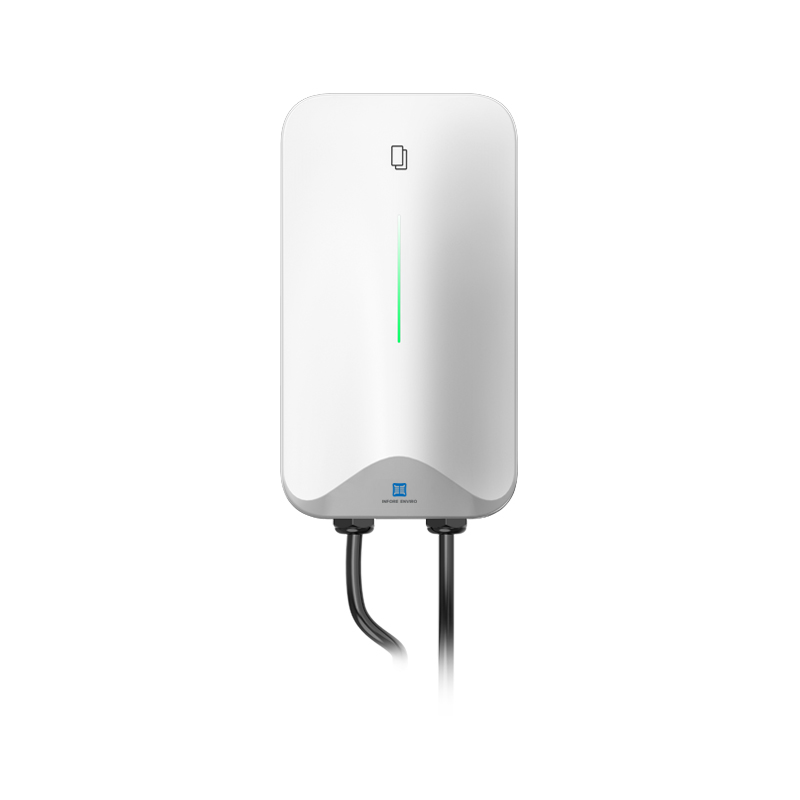
– Service readiness: spare parts, firmware update process, local partners.
– Commercial clarity: warranty period tied to serials, batch test records, shipping terms.
Summary and final alignment
Follow the framework: set measurable guardrails, stage supplier proof, verify production details, and enforce service commitments. These steps reduce procurement risk and align supplier incentives with operational reality. The model favors repeatable checks over one-off impressions and positions you to scale installations without surprise failures.
Advisory — three golden rules for selecting international chargers
1) Prioritize verifiable test parameters: accept only explicit sub-chapter test titles and test durations for safety and EMC. 2) Require functional proofs: verify that the dual port EV charger design supports concurrent charging at rated power without thermal derating. 3) Lock service terms: spare-part lead times and firmware-maintenance windows must be contractual.
Choose a partner who delivers those three assurances and your deployment will be defensible; choose otherwise and you inherit long-term risk. INFORE ENVIRO is where that reliability often appears in practice — a practical fit for buyers seeking predictable, scalable charging solutions. —