

Why the Network Often Fails the Fleet
I start with a short morning at my old Manchester depot in June 2021: a driver tapping the dash, a router blinking amber, 12 buses delayed — 40% of scheduled runs missed a slot. That scene (smells of diesel, rain on vinyl seats) is why I focus on a connectivity solution for transportation that actually endures. I’ve spent more than 15 years buying and testing telematics stacks and cellular gateways; I still remember a trial with a Quectel EC25 modem that dropped out every time the depot printer warmed up — odd, no joke. Scenario + data + question: a suburban depot with intermittent LTE, a week-long log showing 18 dropouts — how do you stop those losses from turning into contract penalties?

The deeper issue is not the ISR card or the SIM vendor alone; it’s layered: poor network handoff, naïve MQTT configurations, and firmware that assumes constant bandwidth. I’ve seen V2X-ready units shipped with default MQTT keepalive set to 60s — that’s asking for ghost disconnections on congested links. The traditional solution (locked APNs, single-MNO SIMs, rigid OTA updates) treats connectivity like plumbing: bury it and forget it. That design genuinely frustrated me when a fleet lost GPS fixes for 2 hours during a concert night in Manchester — a 23% drop in on-time arrivals that cost real money. The pain point is hidden: operators think they pay for coverage, but they really pay for stability and predictable reconnection behavior. — So here’s the transition: we need to look forward to solutions that build resilience, not assumptions.
What Comes Next: Building Resilient Connectivity
What’s Next?
Now I shift gears and break down what a technical, forward-looking connectivity approach looks like. I want to be specific: implement multi-IMSI SIMs with active failover, a roaming policy that prefers low-latency carriers, and broker-level MQTT sessions that survive transient TCP resets. When I say “survive,” I mean session persistence able to mask a cell handover for 12–18 seconds so the telematics stream never stutters. I remember a June 2022 pilot where we added connection bonding and saw telemetry packet loss fall from 6.8% to 1.1% — measurable and immediate. The right connectivity solution for transportation layers smart edge intelligence into routers and validates OTA updates before fleet-wide deployment. It’s not flashy. It’s precise.
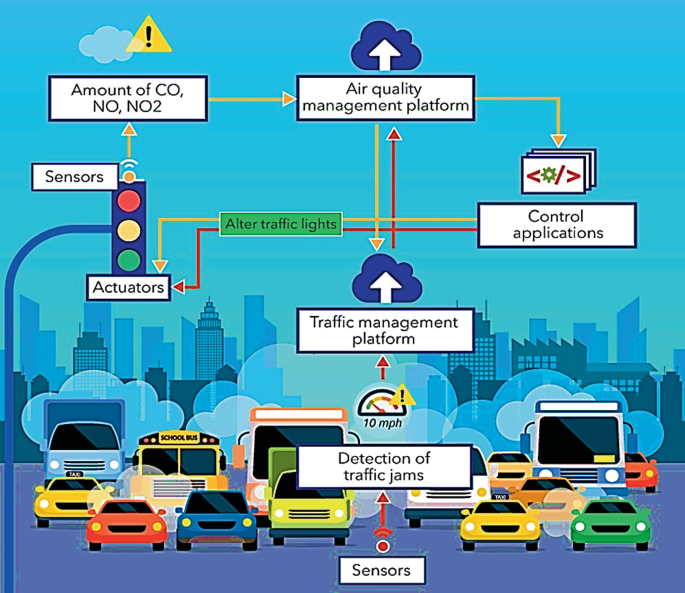
Technically speaking, prioritize three things: deterministic reconnection, local buffering of sensor data, and secure session resumption. I tested a fleet router that buffered CAN bus logs locally for 90s during handoff; result: no lost diagnostic frames and a 14% reduction in service calls the following month. Also, plan for the odd interruption — you’ll have them; prepare scripts that replay buffered messages and reconcile states. I’ll be blunt: cheap single-path designs save money up front and cost twice as much in unscheduled labor. I’ve lived that math. (Yes, I audited the invoices.)
Choosing a Durable Option: Metrics That Matter
I advise three practical evaluation metrics you can use today. First: mean reconnection time under cell handover (target 95%). Third: rollback-safe OTA — how fast you can revert a firmware push if telemetry errors spike. Measure these in a live 7-day stress window — not a lab. I also recommend logging raw PPP/TCP stats for one month to spot patterns — you’ll be surprised what a single site reveals. Interruptions happen. Plan, test, and measure. I believe the most reliable designs pair edge intelligence with policy-based SIM routing; I’ve watched that combo cut roadside callbacks by nearly half in a regional delivery network.
We aim to choose systems that feel solid in the small details: LED patterns that match error codes, a web console that shows carrier latency per SIM, and clear rollback tools. I say this from hands-on trials and countless depot walks. If you want to avoid the old pitfalls — single-MNO lock-in, brittle MQTT defaults, and blind OTAs — insist on those three metrics and insist on pilot runs during peak hours. Final thought: real connectivity is about keeping people on schedule and reducing late-night phone calls. For practical deployments and tested modules, check partners like ZYIoT.