
Introduction
Have you ever walked into a print shop and felt the air sit heavy — and then wondered why the ventilation looks like an afterthought? Recent workplace air quality studies show that poorly controlled emissions can raise particulate matter and volatile organic compound levels by 30–70% in small production rooms. In this context, fume extraction products matter more than ever; they are the frontline defense for worker health and print quality (and yes, costs too). So what separates units that merely tick safety boxes from systems that genuinely improve operations?
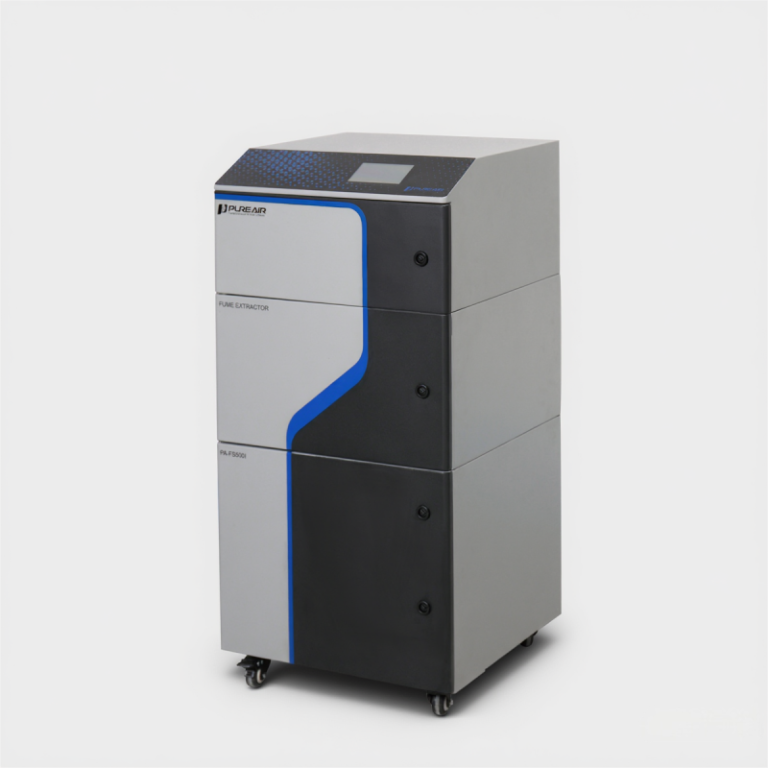
I’ll outline practical differences and hands-on trade-offs you can test in your own shop. Expect clear terms (HEPA filter, airflow velocity) and straightforward judgments — no marketing fluff. Now, let’s dig into where common systems fail and what that means for your digital printing line.
Traditional Solution Flaws Around the Digital Printer
digital printer environments are tricky: dense inks, heated substrates, and tight workspaces. I’ve seen many shops install a basic canopy hood and call it done. But that approach ignores key physics — capture velocity, laminar flow, and filter loading rates. The result? Fugitive emissions slip by the hood; filters choke faster; and maintenance becomes a painful daily chore. Look, it’s simpler than you think: if capture velocity is wrong, the fumes never reach the ductwork (that’s airflow velocity and hood design in action).
Two common flaws stand out. First, systems designed only to meet a minimum spec will suffer from ineffective contaminant capture when the operator shifts position or the substrate size changes. Second, filter selection often treats HEPA as a magic word rather than matching media to chemical loads — so activated carbon beds may be undersized, and VOC breakthrough happens sooner than planners expect. I call this the “set-and-forget” trap. It saves upfront money but costs hours in downtime and worker complaints later — funny how that works, right?
Why does maintenance always surprise us?
Because the hidden costs stack quietly: higher fan motor strain, faster particulate buildup, and unexpected power converter failures when units run inefficiently. These are the symptoms, not the root cause.
Future Outlook: Better Designs and Metrics to Compare
Shift your eyes forward. Newer designs focus on system-level performance rather than single-part specs. For a production line centered on a digital printer, that means pairing proper hood geometry with controllable fan speed, staged filtration (pre-filter > HEPA > activated carbon), and sensors that measure both PM2.5 and VOC in real time. I’ve watched one shop cut filter replacement time in half by adding a pressure-drop monitor — measurable savings, not theoretical claims.
Case example: a mid-size shop replaced an undersized canopy with a tailored extraction hood and variable-speed fan. Emissions fell, print defects dropped, and the team felt safer. The math was simple: less rework, fewer sick days, and lower energy use during idle periods — go figure. Moving forward, I expect more systems to incorporate smart controls and edge computing nodes to optimize when to ramp up extraction and when to idle.
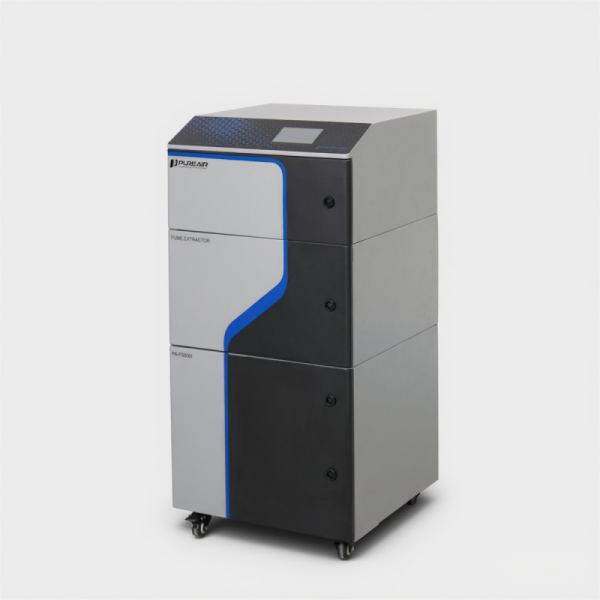
What’s Next for buyers?
Here are three evaluation metrics I recommend you use when comparing vendors — they’ll cut through jargon and reveal true value:
1) Capture Efficiency at Working Distance — Test how much contaminant is captured at typical operator positions, not just at the hood mouth. Measure with simple particle counters during an actual print run.
2) Total Cost of Ownership (TCO) over 3 Years — Include filter media, energy use (fan motor curves help here), and expected downtime for maintenance. Don’t be fooled by low purchase price alone.
3) Sensor Integration and Reporting — A system that logs PM2.5 and VOC trends helps you spot filter breakthrough early and supports compliance. If a vendor can’t show clear sensor data, ask why.
In short: demand performance data, not marketing slides. I want solutions that reduce exposure, cut rework, and save money over time. We’ve moved beyond one-size-fits-all extraction; your next system should be chosen with the same care you give to inks and substrates. For dependable products and service, consider partners who design around use cases — like shop-floor realities and maintenance rhythms — rather than just product specs.
For those ready to take the next step, I recommend contacting specialists who can run a capture test in your space and help build a simple TCO model. You’ll learn more in a single trial than in weeks of brochure reading — and you’ll sleep better knowing the air is safer. — I mean it. For a trustworthy partner, check out PURE-AIR.