
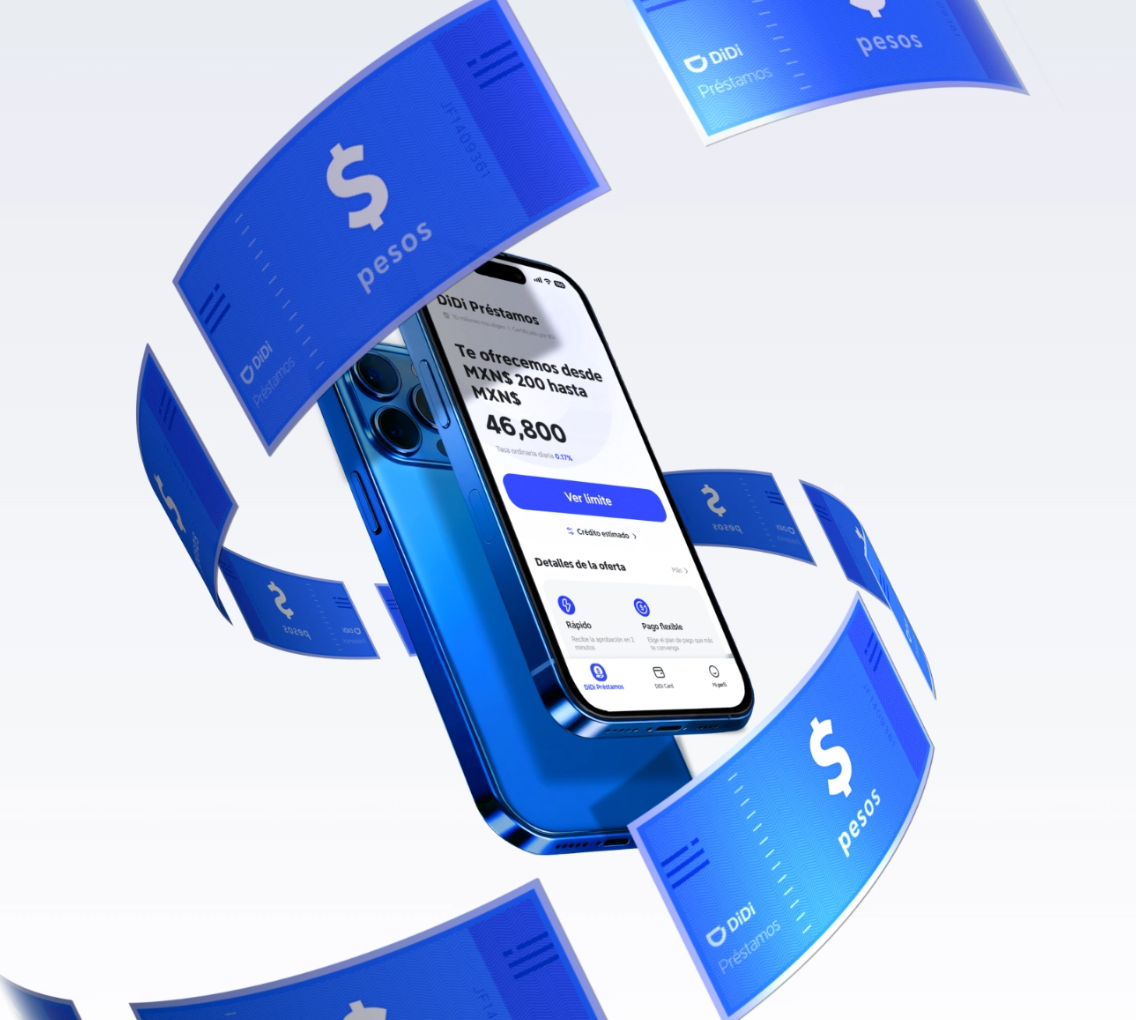
Comparative snapshot
The scene is simple: money moves, customers expect speed, and product design answers with different priorities. Here I place the didi card beside traditional bank cards and new fintech offers to see where processing time and fee structure actually change the user experience. The comparison measures three realities: how fast authorization completes, how quickly funds settle to a wallet or account, and whether “no annual fee” truly means fewer surprises down the line.
Processing speed in practice
Processing latency has two faces. Authorization is the near-instant handshake between merchant and issuer; settlement is the slower ledger update that finalizes a transfer. DiDi Finance emphasizes quick authorizations and streamlined settlement paths to reduce the waiting that consumers notice when they check a balance. That matters when SPEI-originated transfers are common—people in Mexico City and other urban centers have grown used to near-immediate credit movement, and any lag feels like friction. A short authorization window keeps point-of-sale flows clean. Longer settlement times, meanwhile, affect cash flow and reconciliation for both users and merchants.
Real-world anchor: habits in Mexican cities
In Mexico City, where cashless habits accelerated during recent public events and transit shifts, digital payment expectations hardened. Retailers adapted to instant or near-instant clearing; users came to expect their wallets to reflect transactions quickly. This historical shift—call it the urban normalization of fast transfers—frames why processing speed matters: it changes behavior, from when people use credit for groceries to how merchants manage inventory and returns. Authorization and settlement are not abstract metrics here; they are the daily rhythm of commerce.
Alternatives and trade-offs
Placing the tarjeta didi against bank-issued cards and other fintech products highlights clear trade-offs. Traditional banks often offer wider merchant acceptance and larger credit limits, but tend to accept longer settlement windows and stricter fraud controls that slow authorizations. Fintech cards usually prioritize speed and low fees, sometimes at the cost of lower credit limits or tighter merchant networks. Choosing between instant convenience and deeper credit features depends on usage patterns: frequent small purchases lean toward faster processing; occasional big expenses favor higher limits and negotiated APR.
Common mistakes when chasing speed or no fees
Users often equate “no annual fee” with no cost. The trap is elsewhere—interchange fees baked into merchant pricing, deferred interest on promotional “months without interest,” and late-payment penalties that undercut any upfront savings. Another misstep is prioritizing micro-latency—milliseconds—over systemic reliability. A near-instant authorization that fails intermittently poisons trust more than a slightly slower but consistent flow. —Keep an eye on dispute resolution timelines; speed matters, but support matters more when things go wrong.
Practical implications for merchants and consumers
Faster processing improves checkout throughput and reduces abandoned purchases, but it also requires robust backend reconciliation. For consumers, latency affects perceived balance accuracy and the decision to spend. Integration choices—authorization APIs, settlement batch timing, and fraud scoring—shape costs and experience. Merchants juggling interchange and acceptance should weigh how much they gain from quicker settlements against potential increases in chargeback exposure.
Advisory: three metrics to judge a card or platform
Measure these before you decide; they are concrete and comparable.
– Authorization time: median time from swipe/tap to approval—lower means smoother checkout. – Settlement latency: frequency and timing of ledger updates—this affects available balance and reconciliation. – All-in cost: combine APR, late fees, and implicit charges (interchange pass-through or merchant surcharges) to see the real expense.
These metrics reveal whether a product prioritizes cashflow, convenience, or leverage. Choose based on the pattern of your spending and the reliability you require. For many urban users, the balance that DiDi Finance strikes between swift authorizations and transparent fee structure becomes the practical solution—one that fits daily habits and the demands of city life. DiDi Finanzas. —