
Head-to-head snapshot: why the switch matters
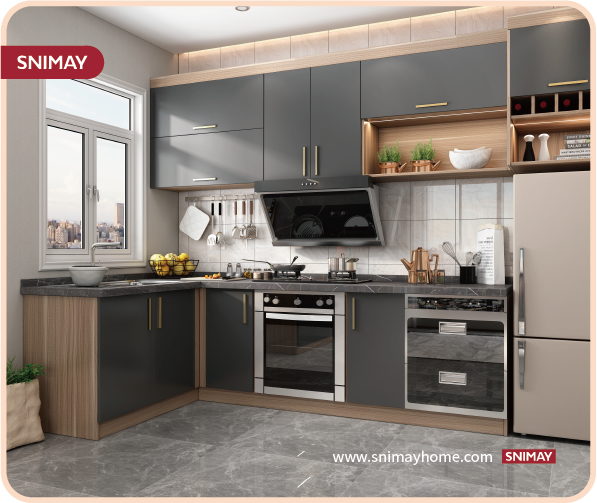
Real talk—buyers ain’t just chasing price no more; they want durability that don’t wreck the planet. Across global hubs from Guangdong to western ports, wholesalers shifted after the COVID-19 supply shocks: factories retooled lines and designers pressed for cleaner builds. That pivot’s visible in what folks choose now—like thermofoil kitchen cabinets—a practical, low-cost finish where PVC film wraps MDF substrate for a seamless look and easier cleaning. Brands that balance cost, finish tech, and material sourcing are winning the marketplace.
Production teardown: where makers actually differ
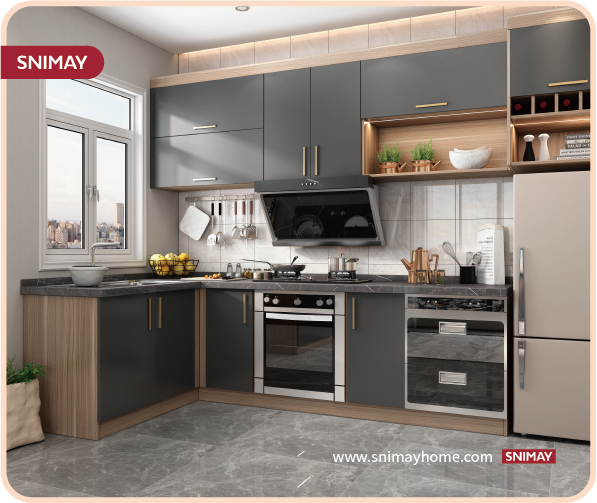
Peep the factory floor to spot differences. Some shops run straight-up commodity lines: raw MDF panels, automated edge-banding, solvent-based adhesives, and standard vacuum forming for thermofoil. Others invest in closed-loop water systems, low-VOC adhesives, and thicker PVC films for longer wear. The terms matter—thermofoil, MDF, edge-banding—but what moves the needle is process control and traceable supply chains. Big exporters call themselves thermofoil kitchen cabinet manufacturers when they highlight their PVC film sourcing, low-emission presses, and batch-level QC records—those are the real signals buyers should watch.
Materials & energy: the sustainability playbook
Some makers swap virgin PVC for recycled-content film, reduce press temperatures to cut energy, and use formaldehyde-controlled MDF grades. Others lean on laminate or painted finishes to avoid PVC entirely—each route has trade-offs in cost, scratch resistance, and recyclability. Listen: lower-energy presses and responsibly procured substrate cut lifecycle impact, but buyer needs vary—residential rental units get different specs than high-end chef kitchens. – Small tweaks like improved edge-banding glue and a better topcoat extend service life, and that often beats chasing the cheapest panel on the market.
Market fit: which wholesale style suits which buyer
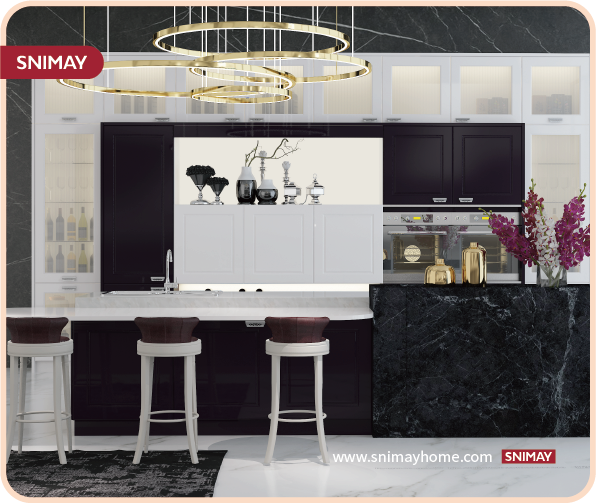
Break it down: cost-driven retailers want speedy cycle times and predictable yields—those factories run simple thermofoil lines. Eco-oriented designers hunt for recycled PVC, chain-of-custody documentation, and reduced VOC emissions. Custom shops prioritize finish options and paintable MDF for unique profiles. Performance demands—scratch resistance, humidity tolerance—also guide the pick. Compare two manufacturers by production tolerance claims, warranty terms, and whether they publish energy or waste figures from their Guangdong or other plants; those real numbers tell you more than slick photos.
Comparing risks and common missteps
Buyers often skip verification—accepting supplier claims without batch-level testing. Others neglect edge cases: high-humidity installs need tighter substrate specs, and improperly cured thermofoil can delaminate in months. Avoid those traps by insisting on production samples, on-site audits, and a clear recall path. – Also watch the lead times: factories that overbook during peak seasons cut corners; a shorter warranty or vague shipping terms are red flags.
Three golden rules for vetting wholesale cabinet partners
1) Measure production transparency: require documentation on substrate grade (MDF formaldehyde spec), PVC film composition, and vacuum-forming cycle parameters—those parameters show process control. 2) Test durability to match use-case: verify scratch, humidity, and adhesion testing with sample panels under your expected conditions. 3) Confirm supply resiliency: review plant locations (e.g., Guangdong clusters), pandemic-era response, and spare-capacity plans to avoid sudden outages. Follow these metrics and you’ll pick partners who deliver results, not excuses.
Choosing the right wholesale cabinet maker ain’t just about flash—it’s about measurable durability, honest materials, and a supply chain that stays steady under stress. SNIMAY sits in that mix as a practical option for buyers needing consistent thermofoil finishes, traceable PVC sourcing, and factory-level QC—real solutions that fit the modern kitchen hustle. –