
When the Night Crowd Looked Up and Gasps Got Loud
You know that moment when the beat drops, the food trucks go quiet, and everyone turns their face to the sky? Festival laser lights sweep across the park, and the whole scene feels bigger than the map. City event reports say visuals boost dwell time and social posts by double digits, and bookings follow. That’s where a well-tuned laser light for events can flip a show from good to unforgettable—no smoke and mirrors, just tight beams and clean control. But here’s the twist: many planners still fight the same old headaches, even with new gear in the cart. Why are rigs that look “pro” on paper still hard to trust when crowds surge and timelines shrink (and budgets breathe down your neck)? — funny how that works, right?
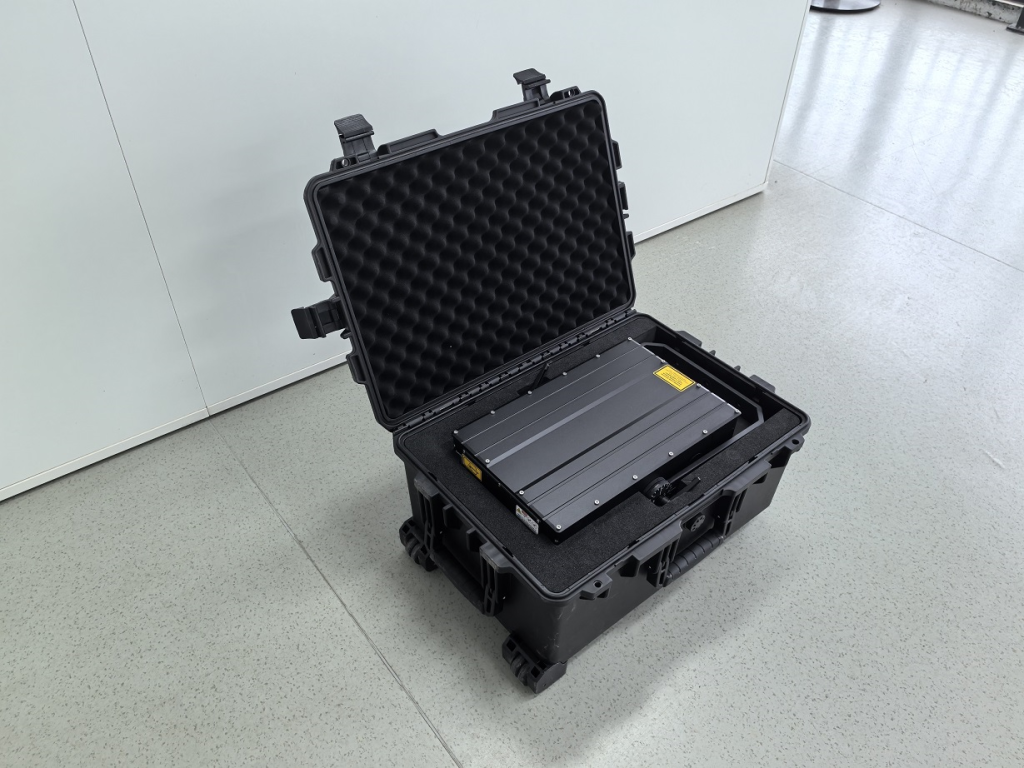
I was on a festival curb in Long Beach when a headliner started late, yet the visuals still landed on the beat. The crew cut setup time by half, and the skyline beams stayed crisp without burning the eyes. Data backs that shift: faster load-ins, lower rework, higher crowd retention. So what changed, and why does it matter beyond eye candy? Let’s unpack the real friction hiding under the glow—and what to do next.
Hidden Frictions: Where Classic Rigs Trip Up
Why do classic rigs fall short?
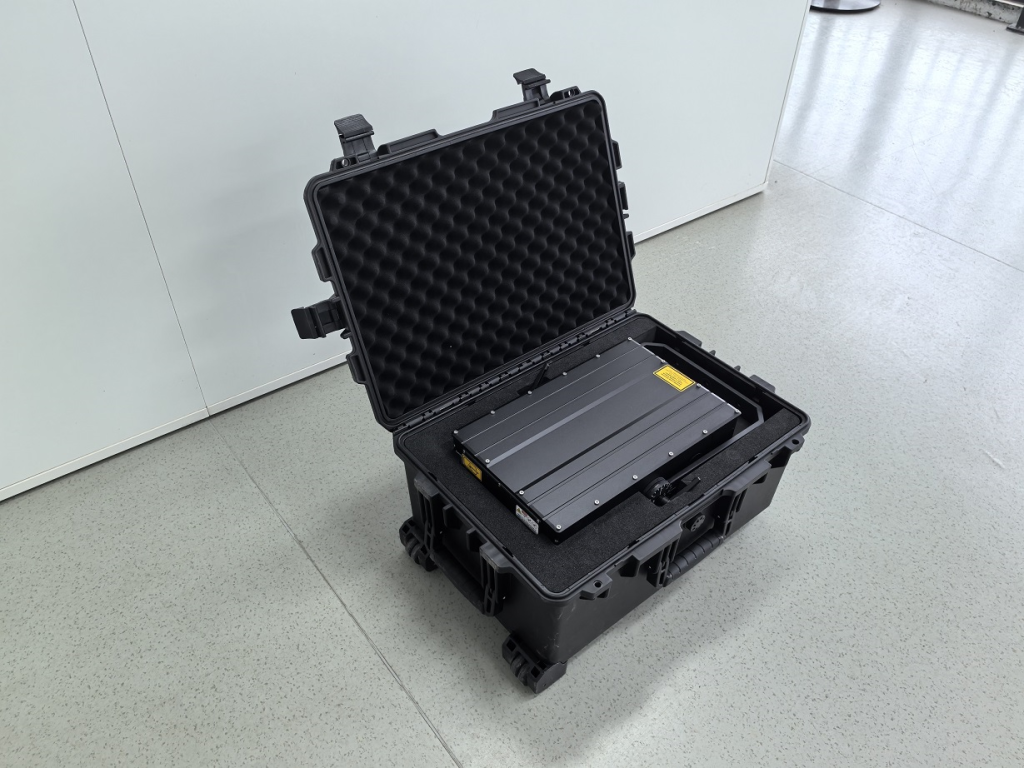
Short answer: legacy workflows don’t match modern crowds or open-air chaos. Older projectors need more hands, more tests, and more luck. Wide beam divergence wastes output, so brightness looks great on specs but fades in real air. Galvanometers drift when temps swing, and the DMX addressing tree gets brittle once you add temporary nodes. Power converters hum, cables snake, and every raincloud turns into a coin flip. Look, it’s simpler than you think: anything that adds time between “power on” and “first cue” adds risk. When the gate opens early or the set list shifts, static presets and manual trims get you stuck.
There’s also the user pain no one budgets for: after-hours fixes. If scan rate jitters or color balance slides, you’re hunting profiles while security urges you off the riser. Fog dependency? Not great when wind kicks up. And IP ratings matter; IP65 beats “weather-resistant” every time, but many rigs are only semi-sealed, so condensation still sneaks in. Without on-device health checks—basic edge computing nodes, thermal sensors, or self-cal—operators fly blind. That’s why many “pro-looking” setups melt under festival pressure. The tech isn’t bad; the fit is. Outdoor shows reward systems that self-verify, hold alignment, and play nice with change.
Comparative Leap: From Old School to Smart, Weather-Ready Systems
What’s Next
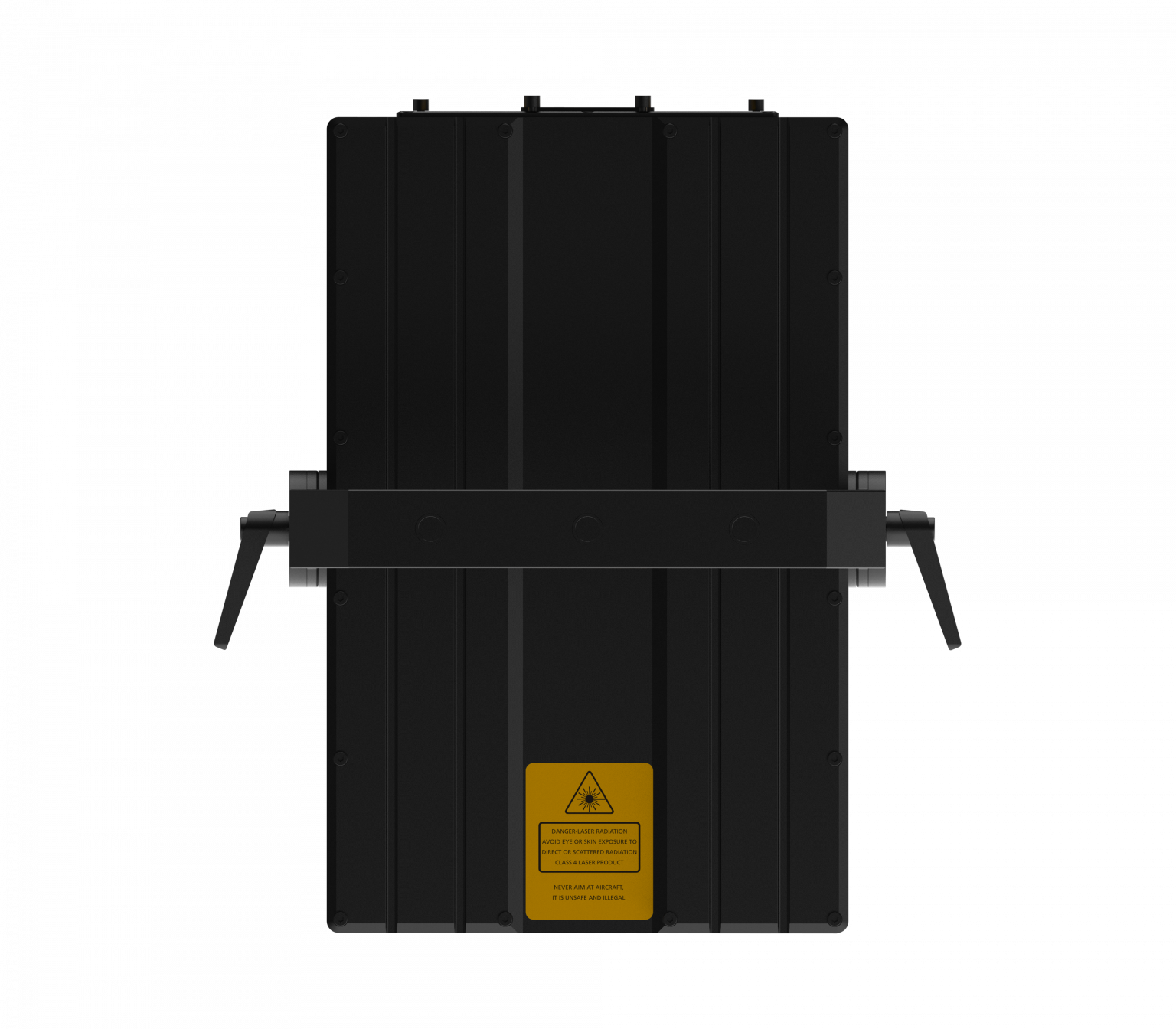
Here’s the pivot: modern systems treat each fixture like a smart endpoint. Sealed optics and tuned heat paths stabilize the galvos. Firmware shapes beam profiles to keep output tight while reducing stray light—safer, cleaner, sharper. Real-time diagnostics flag issues before a cue dies. And with adaptive power management, output remains steady even as mains fluctuate. When you spec waterproof outdoor laser lights, you’re comparing more than lumens or watts—you’re weighing IP65 engineering, scan stability, and feedback loops that correct before eyes notice. Versus older rigs, the delta shows up in the first ten minutes: faster on, fewer tweaks, cleaner cues. Different vibe, same crowd, better result.
Think of it as a compact control room inside each head. Edge logic handles micro-corrections while your console focuses on story and timing. You get predictable beams without begging for fog, tighter color mixing without babysitting, and calmer power draw that plays well with generators. In practice, that means less downtime, fewer “try it again” moments, and cues that land even when weather or schedules wobble—wild how a little forethought saves a whole show, right? In short, we move from “hope it holds” to “prove it runs,” and that’s a shift crews actually feel.
Real-world Impact
So, what did we learn? Old workflows cost time, and time costs shows. Smart, sealed, self-checking units shrink risk while lifting impact. To choose well, keep it advisory and simple: 1) Verify real IP rating and thermal design, not just marketing; 2) Check scan rate and beam divergence together, since clarity depends on both; 3) Demand onboard diagnostics with logs you can read in the field. Nail those, and your festival canvas stays bright without the scramble. If you need a solid benchmark or want to compare notes, take a look at Showven Laser—use it as a yardstick, not a shortcut.