
The Problem on the Ground
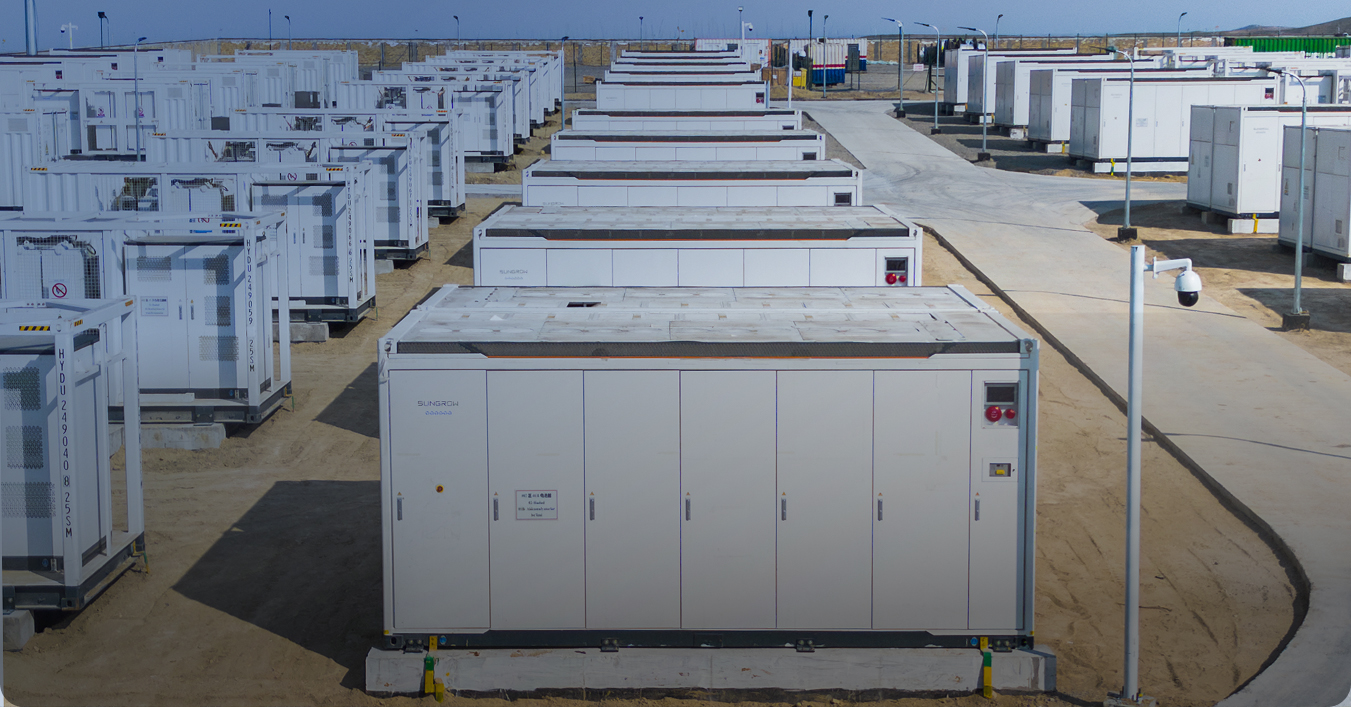
A summer storm knocked our little town offline for six hours, 12 feed lines went down, and our 50MW peak demand spiked—how do we stop that from biting us again? I’ve worked on utility scale battery energy storage systems long enough to know those numbers tell the real story. I remember the sunburnt crew, the smell of diesel, and the ledger showing unexpected penalty charges; we needed a fix that fit a county budget (and fast).
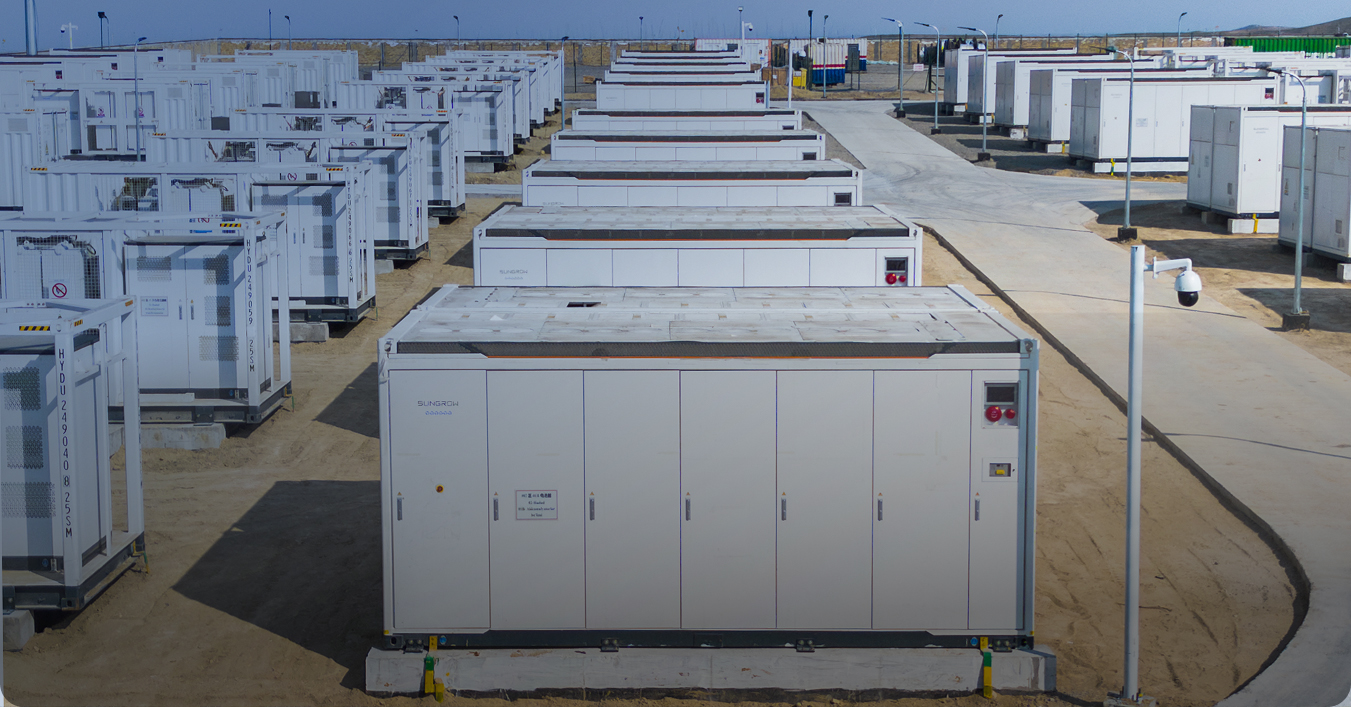
I’ve seen the usual fixes: oversized diesel gensets, hand-me-down transformers, or one-off lithium-ion racks cobbled together for quick wins. Those stopgaps buy hours, not resilience. In March 2021 I led a retrofit at a co-op in Salina, Kansas: a 50MW/200MWh lithium-ion install meant for peak shaving and frequency regulation. The hardware was solid, but the project hit delays because the control logic didn’t account for state of charge swings—result: a missed dispatch window and a $48,000 penalty. That taught me the deeper flaw: many plans fix symptoms (short outages) and ignore operational pain points—slow commissioning, fractured telemetry, and hidden O&M costs. Next, I’ll lay out what actually changes outcomes.
Looking Ahead: What Real Change Looks Like
What’s Next?
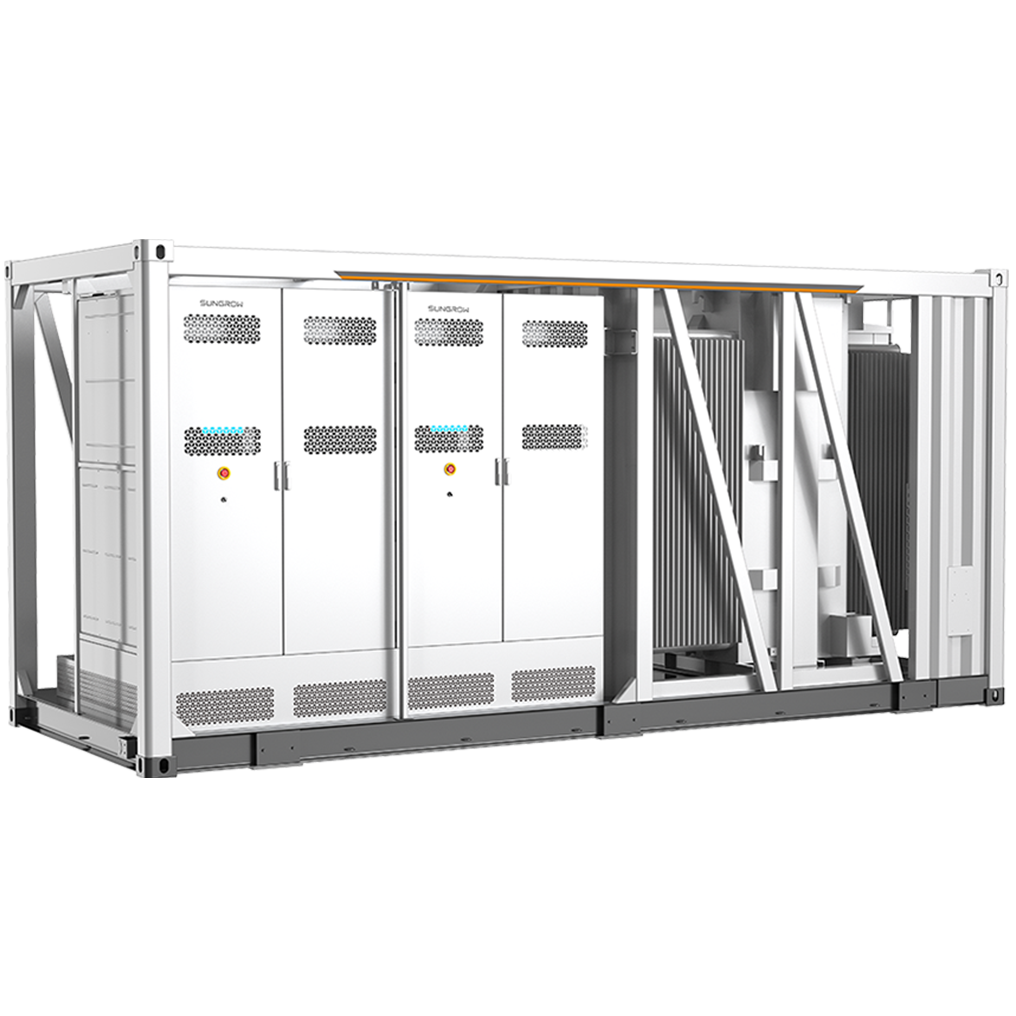
Define the goal before you buy: do you want capacity firming, peak shaving, or frequency regulation? I start there every time. Modern utility scale battery energy storage systems are modular, but integration makes or breaks value. We choose power converters and PCS hardware that match the grid’s quirks, and we insist on control logic that reads state of charge in real time—no guessing. From my vantage (over 15 years in B2B supply for rural utilities), the future is less about bigger batteries and more about smarter stack-up: faster inverters, clean telemetry, and contracts that pay for delivered megawatts, not just installed kilowatts. Expect trade-offs—cost vs. lifespan, speed vs. round-trip efficiency—but get those trade-offs on paper early.
When you’re vetting vendors, measure three things I use on every site: response time to grid events (milliseconds), validated cycle life under your duty cycle (years), and the real total cost of ownership including commissioning and firmware updates. I’ll be blunt—some bids look cheap until you count software patches and spare part shipments. We ran a trial in November 2022 where a control tweak shaved 15% off response lag—small change, big savings. If you want a sound shortlist, start with those metrics. I keep one eye on the tech, and the other on the ledger. — And yes, I still prefer plain talk over glossy slides. For partners, I recommend checking suppliers with on-the-ground experience, like sungrow.