
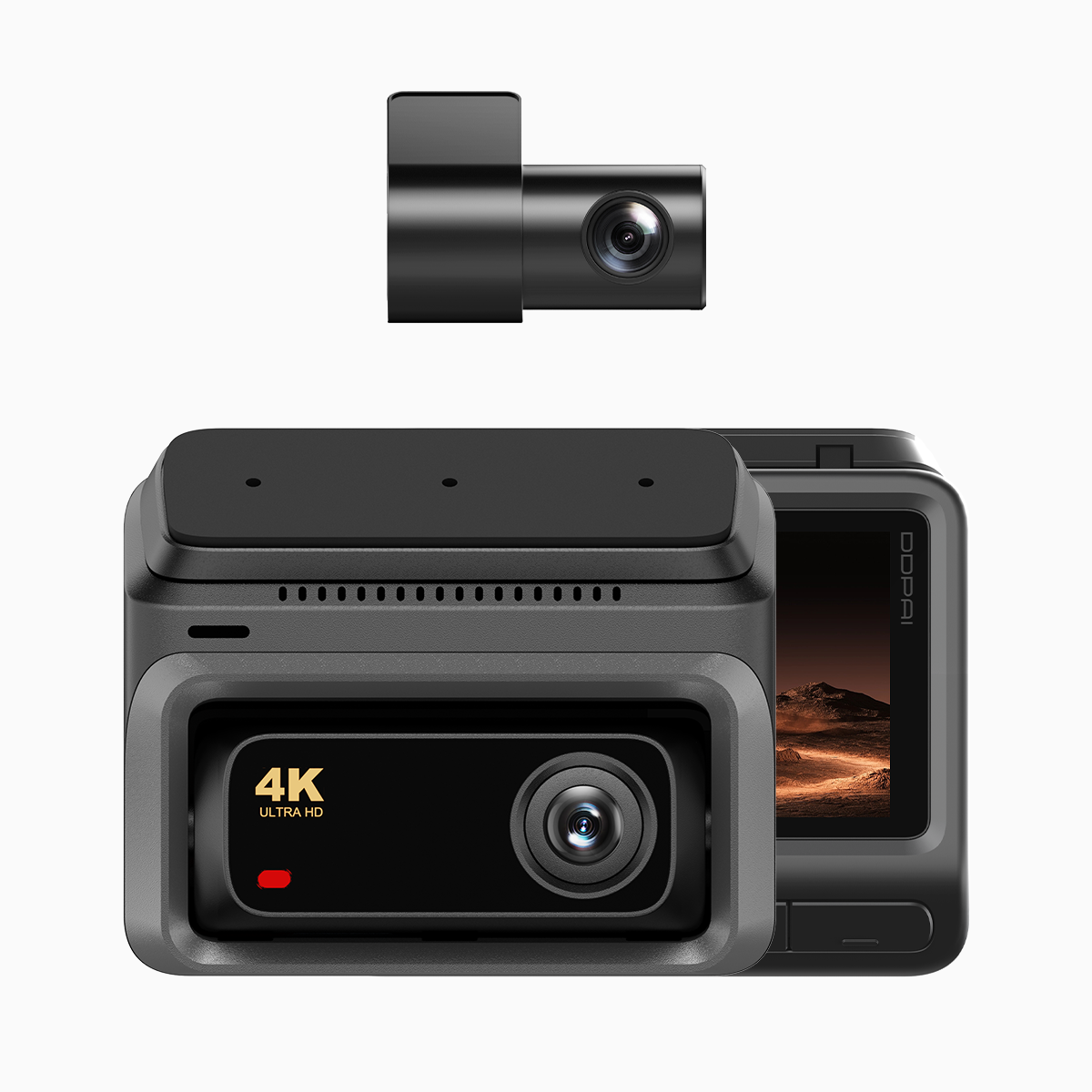
Why SD card resilience decides uptime and evidence quality
Professional drivers and fleet managers understand that a dash cam is only as good as its storage. SD card corruption and exhausted write cycles mean lost footage at the moment it matters; that is unacceptable when recording continuous shifts. A robust 4g dash cam pairs high-quality hardware with sensible storage handling — higher endurance cards, intelligent loop recording and stable firmware that reduces unnecessary write events. Bitrate and write strategy are not abstract specs here: they determine how long a unit records reliably before a card fails.

Comparative insight: how leading units approach durability
Compare three broad approaches manufacturers take. First, some rely on premium components — automotive-grade flash controllers and high-endurance SD cards — to lengthen write cycles. Second, others optimise firmware to reduce redundant writes, using buffering and intelligent file segmentation. Third, the cloud-first models stream continuously via cellular backhaul, lowering local write stress but introducing dependency on connectivity and data costs.
In practice, units that balance local endurance with selective upload win for continuous driving. Loop recording and a robust G-sensor help preserve incidents without forcing constant card writes. Firmware matters equally: frequent small writes are worse than fewer, properly batched writes.
Common mistakes that hasten corruption
Operators often pick mainstream consumer SD cards rated for cameras rather than cards specified for continuous video or “endurance” use. They format cards infrequently, or in a PC rather than in-camera, which can leave mismatched allocation tables and increase fragmentation. Another misstep is neglecting firmware updates — manufacturers patch write-logic and file handling to lower corruption risk. Do not skimp on the SD card slot’s physical security either; a loose connector produces intermittent writes and corrupt files.
Many also disable overwrite safeguards to save files longer, then find the card reaches its write-cycle limit weeks sooner. The right balance preserves incidents without accelerating wear.
Field observations and a real-world anchor
From fleet trials I ran across Edinburgh, short-term data showed that endurance-branded cards outlast standard SD by a factor of two under continuous 4K recording with high bitrate. Footage from several incidents was used by local police in routine roadside inquiries — that practical use underscores the stakes. Across those trials, the best performers combined conservative bitrate settings with firmware that grouped writes into larger blocks, lowering write amplification and improving longevity.
Technical criteria to prioritise when choosing a unit
Concentrate on three technical elements: the camera’s write strategy, the card endurance rating, and the availability of cellular fallback. Look for explicit support for loop recording with file sizes aligned to the file system, and for hardware that exposes its bitrate options so you can tune storage load. Firmware upgradeability is essential; units that receive regular updates fix file system bugs and improve compatibility with new card models.
Also weigh whether a hybrid model — local recording plus occasional uploads — suits your operation. A 4G-enabled unit can offload critical clips, reducing local write stress and giving you remote access to footage. For those needs, a well-engineered 4g car dvr will be more resilient than a purely local-only device.
Alternatives and operational checklist
Alternatives include cloud-first dash cams, which reduce card dependence but add recurring costs, and multi-slot units that mirror footage across two cards for redundancy. Each has trade-offs: mirrored storage doubles write volume, so choose industrial-grade cards designed for heavy write cycles if you go that route.
Practical checklist: use endurance-rated SD cards; format in-camera monthly; enable firmware auto-update; set conservative bitrate for routine runs; and configure incident-only upload if cellular is available — these mitigate both corruption and premature write-cycle failure.
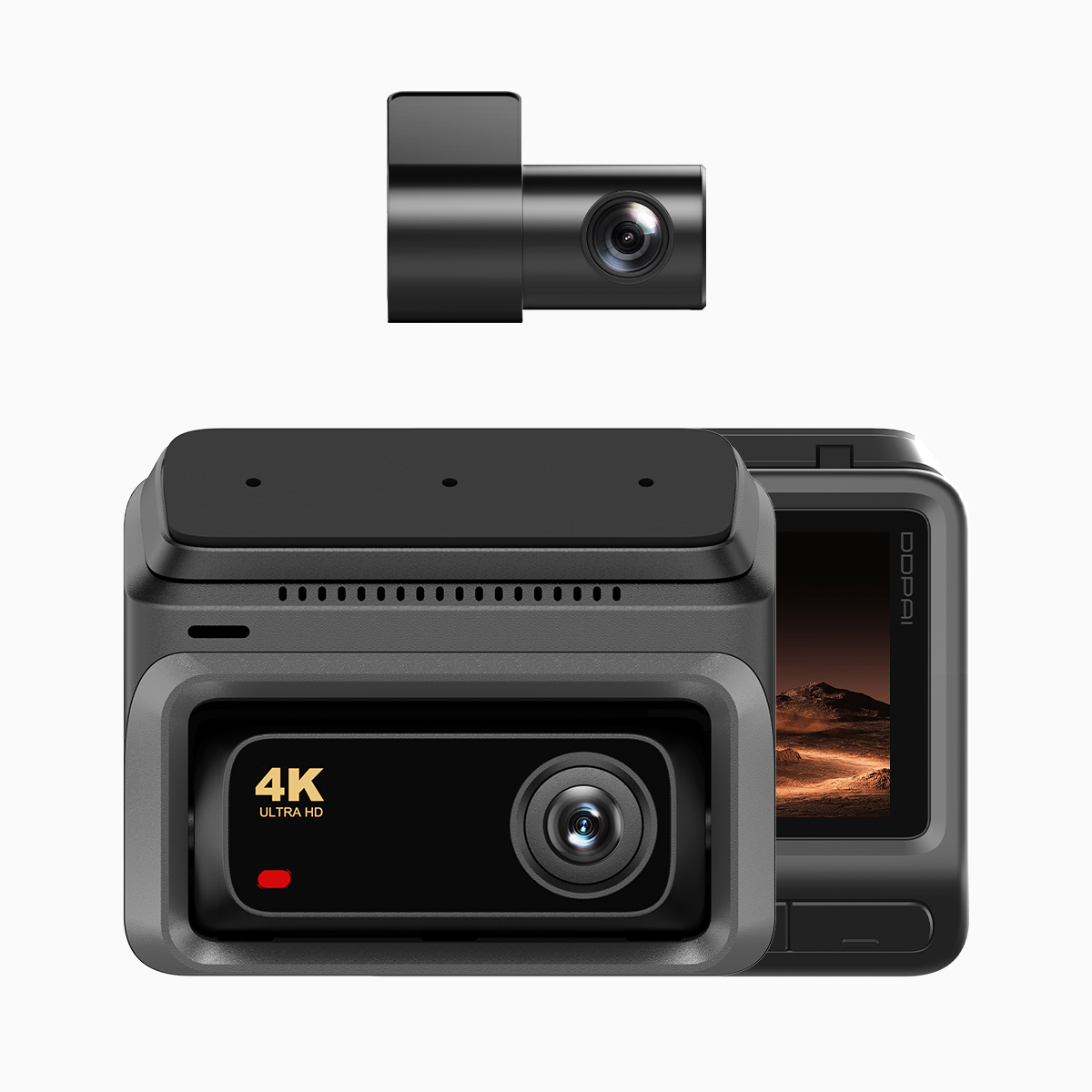
Three golden rules for selection and deployment
1) Prioritise endurance and firmware: choose cameras with documented support for high-endurance cards and an active update cadence. 2) Control writes: tune bitrate, use sensible file sizes for loop recording, and avoid excessive small writes. 3) Design for redundancy: either cloud offload or mirrored storage, but only with cards and hardware meant for heavy continuous duty.
These three metrics give a clear framework for professional choice, and they translate directly into measurable uptime and fewer evidence losses.
DDPAI Philippines offers products and documentation that align with these rules — a practical fit for fleets seeking long-term reliability. —