
A Saturday Morning, a Broken Run, and a Clear Lesson
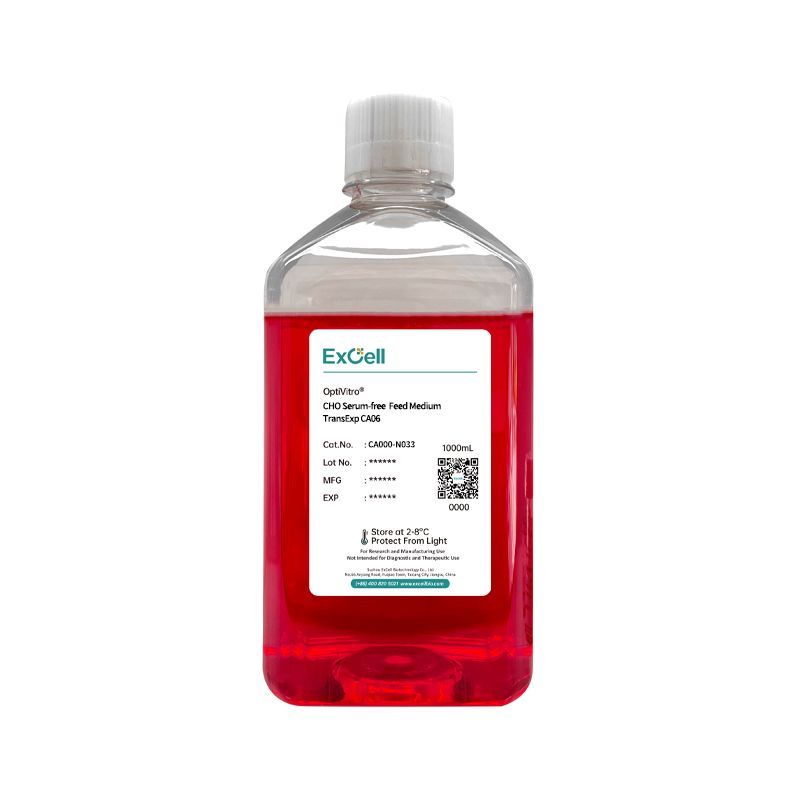
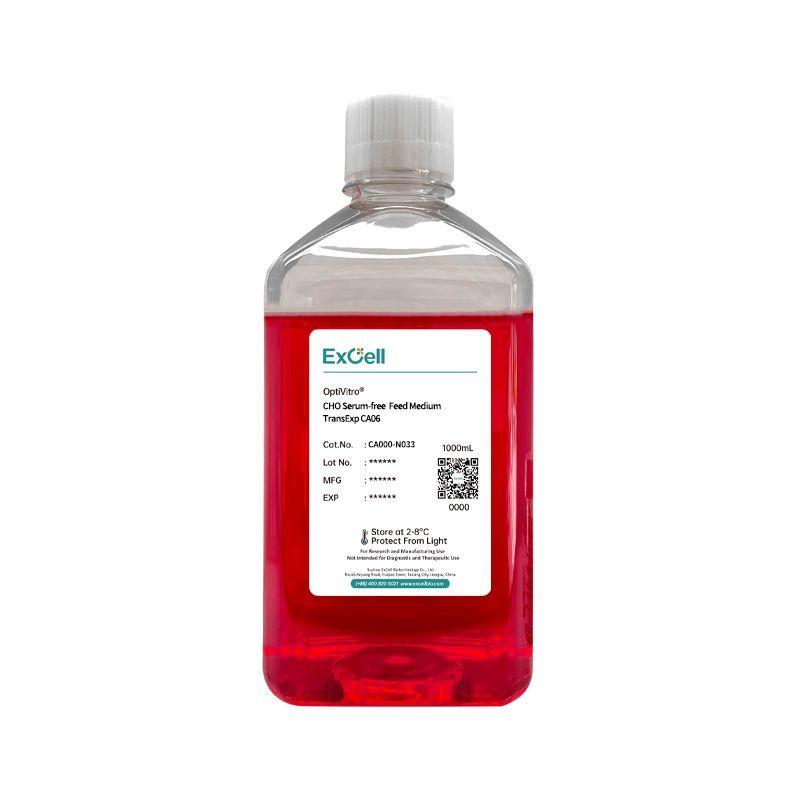
I still remember a Saturday morning in March 2021 when a 10 L glass bioreactor run in my Boston lab went sideways — the kind of failure that stings. In that second hour of panic I reached for the only thing I knew could help: cho cell culture media, and yet the media alone couldn’t save the day. I have over 17 years working in bioprocessing supplies and cell culture, and that day crystallized a pattern: most problems aren’t the product, they’re how we use it.
Let me be blunt. I’ve seen serum-free formulation swaps, improper fed-batch schedules, and overlooked osmolality checks cause measurable drops in titer — sometimes 20–30% loss within a single run. That sight genuinely frustrated me. (We adjusted glutamine feeds the next week.) This section focuses on the core flaws I keep spotting: lot-to-lot variability, missed cell line adaptation, and complacent quality checks. Keep reading — the fixes are practical and within reach.
Why Traditional Fixes Fail: The Hidden Flaws
Most teams default to one-size-fits-all troubleshooting: change the media brand, bump up glucose, or add more serum. Those are blunt tools. I prefer targeted fixes. For example, in a November 2022 contract run at a small CDMO in Philadelphia, switching to a different serum-free CHO formulation without revalidating cell line adaptation caused a 28% dip in productivity. We later traced the issue to amino acid imbalance and metabolite accumulation — classic signs you never profiled nutrients before swapping media.
Here are the repeated mistakes I warn clients about: ignoring osmolality shifts after supplementing feeds, treating all feeds like identical concentrated sources (they aren’t), and skipping amino acid profiling before scale-up. Those practices lead to inconsistent growth rates and lower viability. I firmly believe that debugging media should start with data: metabolite panels, titer trends, and documented feed recipes (fed-batch vs. continuous). — odd, but true.
What’s Next?
Now switch gears with me. I’ll get technical for a moment. The better path forward is comparative and forward-looking: compare performance across metrics, not brand stories. When we benchmarked three proprietary formulations in June 2023, the decisive factors were osmolality drift under high-density culture and the medium’s buffering capacity during extended fed-batch runs.
Practical, Technical Fixes — A Forward-Looking Playbook
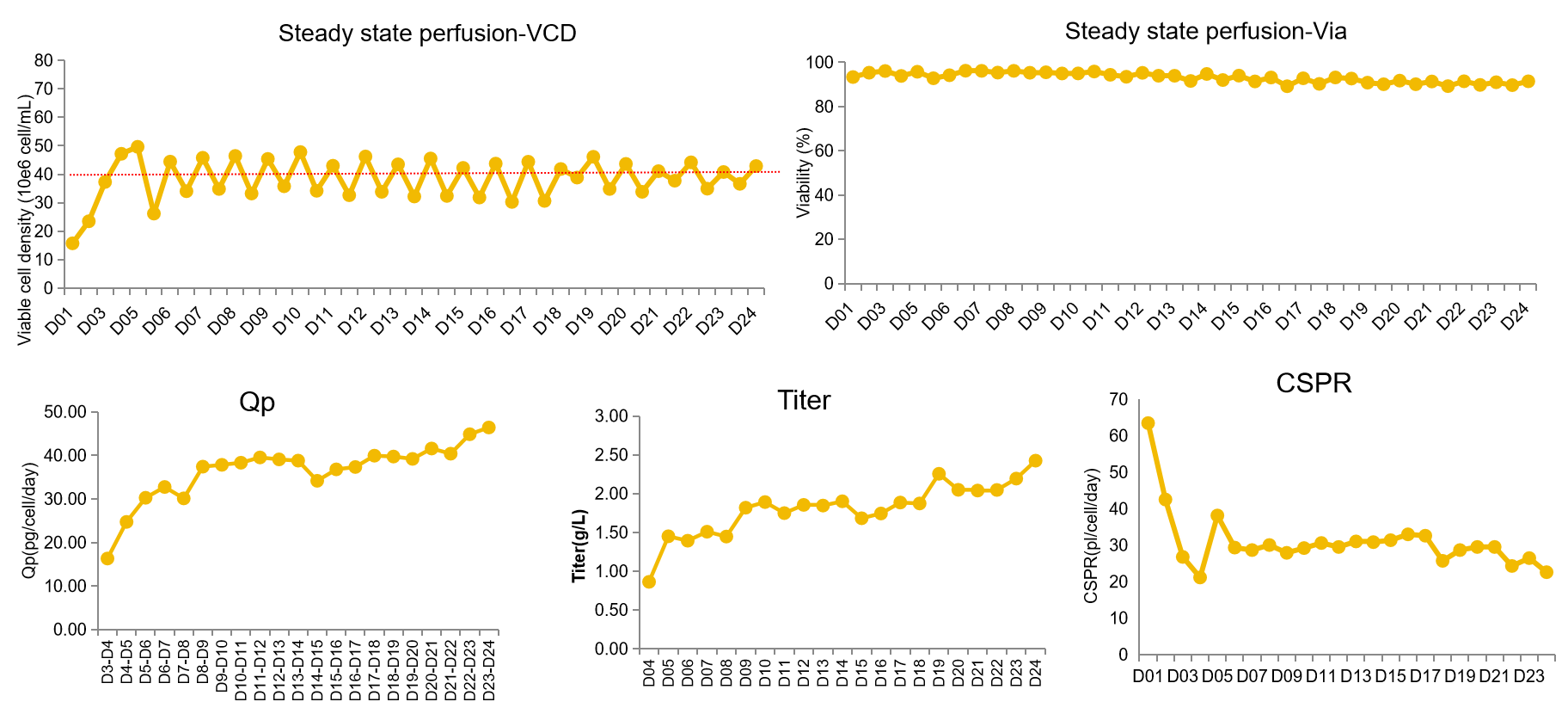
I recommend a short empirical checklist I use with procurement teams and small-scale manufacturers. First, run a 7–14 day adaptation study when moving cell lines to a new cho cell culture media lot. Second, perform amino acid profiling at mid-log and stationary phases. Third, monitor metabolite accumulation (lactate, ammonia) daily during scale-up. These steps saved one client in San Diego 15% in media costs and recovered 18% titer within two production cycles.
Compare feed strategies early: a bolus feed can spike osmolality; a controlled fed-batch with microdosing keeps metabolic stress low. Use basic bioprocess terms — bioreactor setpoints, feed rate, cell line adaptation — to frame decisions. I prefer manufacturers that publish osmolality ranges and amino acid concentrations for each lot. — that’s where the math helps.
Three Metrics I Use to Choose Solutions
1) Titer consistency across three consecutive lots (target variance <10%).
2) Osmolality stability under intended feed schedule (±20 mOsm/kg over run).
3) Documented cell line adaptation data (viability ≥90% at scale day 7).
To close: these are practical, repeatable steps I use every week with procurement teams and lab managers; they’re not flash fixes. If you apply them, you’ll see more predictable runs, fewer emergency weekend troubleshooting sessions, and better margins. I’ll keep refining this playbook as new formulations arrive — and I invite you to test these metrics on your next run. ExCellBio