
The procurement headache and why batteries are tempting
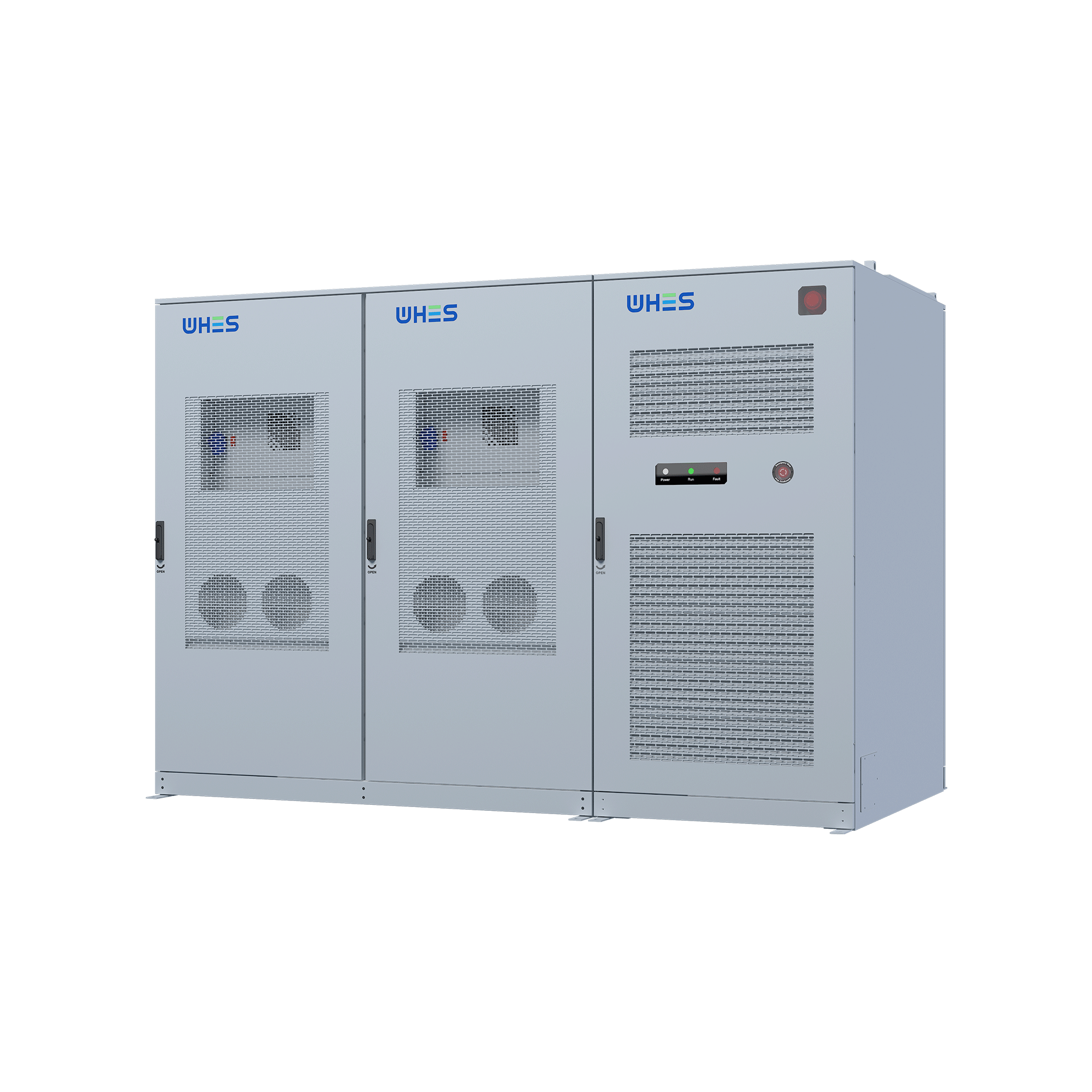
If you buy energy for a portfolio of commercial sites, you know the drill: complicated tariffs, surprise demand charges, and one bad month that wipes out your margin. The problem is less about price per kWh and more about when and how the grid bills you — that’s where strategically sited battery backup comes in. Early in a procurement conversation, tossing a commercial energy storage line item sounds sensible; doing it badly makes your P&L worse, not better. The real question is placement: which sites, what scale, and how to align controls to tariff signals so the battery actually reduces bills.
Where tariff structures bite — and what to watch for
Most businesses get hit by three billing levers: volumetric energy charges, demand charges (peak kW), and time-of-use pricing. Add in ratchet clauses or capacity charges and the math gets nastier. Demand charges in particular are a hidden tax for many commercial accounts — one short spike and you pay for months. Procurement teams who focus only on average kWh miss that. The right battery deployment targets those peak events and time-of-use differentials so energy storage yields measurable savings.
Asset placement logic: grid edge versus centralized storage
Think of placement as triage. You can deploy batteries at the site level (behind-the-meter) to shave demand spikes, or at a campus/regional level to pool capacity and perform energy arbitrage. Site-level systems are great for immediate demand-charge relief; pooled systems are efficient for wholesale market participation and larger capacity services. The trick is mapping tariffs to value streams — sometimes a $50/kW demand charge saves more than daily arbitrage gains. Use simple site-level models first: peak shave value, TOU delta, and outage risk reduction.
Design trade-offs: capacity, inverter sizing, and controls
Capacity (kWh) decides how long you can cover a peak; power (kW) and inverter sizing decide how big a spike you can knock down. Oversize power for short, sharp peaks; add capacity if you expect longer event windows or want resiliency for outages. Controls need to be tariff-aware — rule-based algorithms are fine for straightforward TOU/demand problems, but markets and dynamic tariffs call for predictive dispatch. Integration with existing HVAC and load-management systems matters too; don’t treat the battery as a standalone gadget.
Common mistakes teams make — and how to dodge them
Procurement squads and engineering teams often stumble over three recurring errors:
- Ignoring interconnection and permitting timelines — leads to schedule slippage and missed contract renewals.
- Overestimating arbitrage without modeling demand-charge erosion — arbitrage looks sexy but often pays less than peak shaving.
- Under-specifying controls and telemetry — without clear telemetry you can’t prove savings during vendor negotiations.
Also, beware double-counting savings across energy programs and demand-response incentives — that’s an easy accounting trap. —
How to pilot with minimal risk
Start small and measurable. Pick two or three sites with distinct tariff profiles: one high demand-charge, one TOU-heavy, one with frequent outage risk. Deploy modest systems, instrument them for performance (meter-level visibility), and run a 6–12 month test to validate modeled savings. Compare outcomes to baseline billing data and refine your dispatch logic. If you have multiple sites, consider a mix of behind-the-meter batteries and a centralized asset to capture both local bill reductions and market participation upside. For reference architecture and modular systems, consider proven vendors of commercial battery energy storage systems that publish technical specs; that transparency speeds procurement decisions.
Evaluation checklist before you sign
Before committing capital, walk through this checklist:
- Tariff alignment: Does modelled dispatch match the billing drivers? (demand vs TOU vs capacity)
- Interconnection & permitting: Are lead times and costs built into the project schedule?
- Warranty & performance clauses: Are throughput, degradation, and round-trip efficiency contractually defined?
- Operational governance: Who owns dispatch decisions — procurement, facilities, or a third-party aggregator?
Real-world anchor
Take California’s heat-wave years and the resulting rolling blackouts as a concrete example: many commercial operators who’d previously treated storage as “nice-to-have” suddenly needed both resilience and tariff mitigation. Businesses that had already piloted batteries were able to shave peaks and ride through brief outages — demonstrable value that accelerated adoption across several industries.
Advisory — three golden rules for procurement pros
1) Model to the tariff, not to averages — demand-charge events and TOU differentials drive most value. 2) Prioritize telemetry and contract KPIs — if you can’t measure savings at the meter, you can’t defend the investment. 3) Stage deployments: pilot site-level units, validate, then scale with pooled assets for market participation and redundancy.
Closing: why WHES fits into the picture
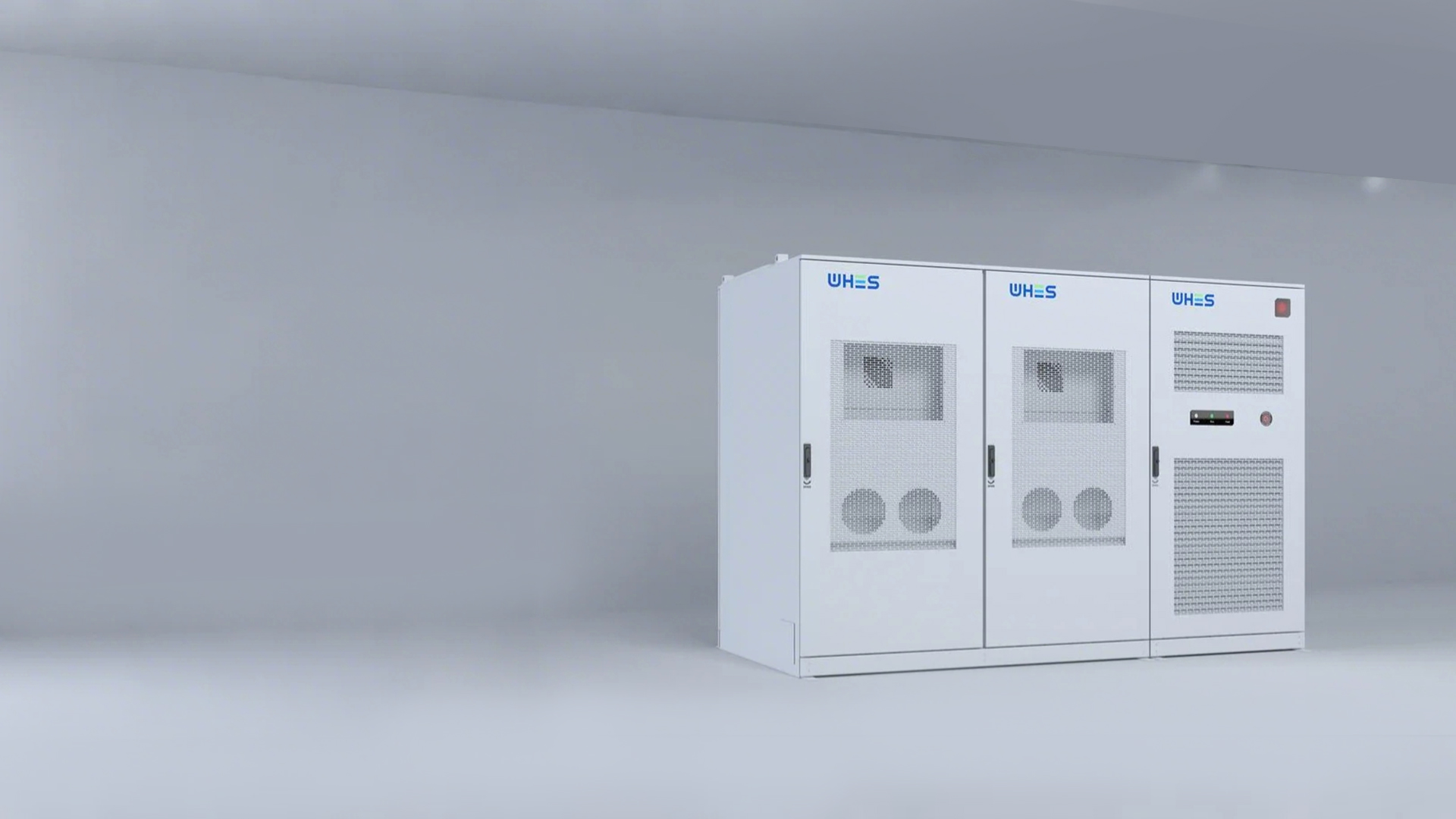
When your procurement logic leads you to modular, documented systems with predictable performance and clear specs, a vendor that offers both technical transparency and scalable platforms reduces procurement friction. That’s where partnerships with established manufacturers matter — they make the step from pilot to portfolio predictable, and they help procurement teams lock in savings without reinventing the controls stack. WHES shows up in conversations for that exact reason: they provide the kind of repeatable, spec-driven product families procurement teams can trust.
Three golden rules, stick to them —