
Introduction — a barn, a clock, and a stubborn milk chart
I was standing in a chilly stall one November morning, watching a cow nudge a dim LED strip and thinking: there has to be a better way. Cow lighting matters — and not just for the farmer’s peace of mind; it changes behavior, feed intake, and yes, milk yield (farms that adopt controlled photoperiods often report up to a 10–15% bump in production). So how do we take that raw potential and turn it into something reliable, repeatable, and humane?
Here’s the scene: uneven fixtures, a tangle of old wiring, and a handful of lamps that flicker like vintage cinema reels. It’s a small-sample moment that mirrors larger trends — inconsistent lux levels, poor spectrum control, and little attention to animal-centric timing. What follows is a practical look at why those problems persist, and what I recommend based on real barn hours and hands-on troubleshooting. Ready? Let’s unpack this step by step — then move to the deeper issues.
Part 2 — Where classic solutions trip up (the deeper flaws)
Why do traditional setups fail?
long day lighting in dairy barns was supposed to be the simple fix: extend perceived daylight to boost lactation. In practice, many installations get the basics wrong. Fixtures are specified by nominal lumens but end up producing uneven lux across stalls. Wiring is reused rather than redesigned, leading to voltage drops and flicker. I see farms that hang lights where it’s convenient, not where cows actually stand. The result: stressed animals and mixed performance data. Look, it’s simpler than you think — and yet people keep repeating the same mistakes.
Technically, two main flaws stand out. First, poor spectrum control: bulbs are picked for cost, not for the blue-to-red balance that affects melatonin suppression. Second, lack of adaptive control: timers are crude, often ignoring seasonal shifts in photoperiod and cow circadian biology. Add in issues like insufficient IP-rated fixtures, aging power converters, and suboptimal mounting heights, and you have a recipe for inconsistency. I’ve measured barns where one side reads 250 lux and the other 75 lux at cow head height — that’s a behavioral signal mess. We need to think in terms of photoperiod design, not just lamp count.
Part 3 — New principles and practical next steps
What’s Next: smarter design, measurable outcomes
Looking forward, I favor three linked principles: precise spectrum, zoned control, and data feedback. Newer systems let you dial in spectrum and intensity per zone, so you can create true “long-day” schedules without overstressing animals. When we design for long day lighting in dairy barns we should pair fixtures with simple sensors and local controllers — edge computing nodes that log light exposure and trigger adjustments. That gives you actionable metrics, not guesses.
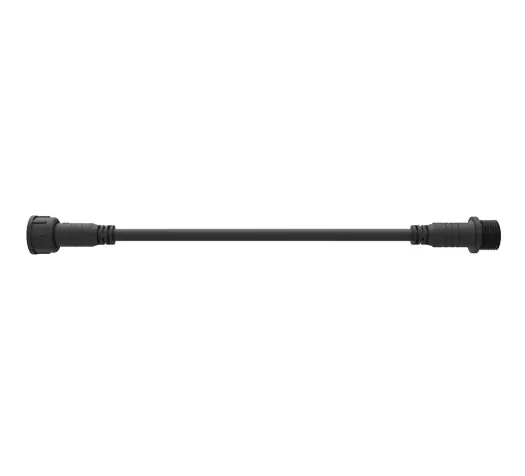
Here’s a concrete path we use: map cow positions and activity, set target photoperiod curves, and deploy fixtures with verified spectrum and reliable power converters. Then monitor for four weeks, adjust, and compare milk-curve responses. The first time I ran this on a mid-size herd, we saw behavior stabilize within two weeks — and milk responded after three (— funny how that works, right?). It’s not magic. It’s disciplined measurement and a willingness to change wiring and layout when the data says so.
To wrap up: prioritize uniform lux at cow eye level, choose spectrum-tested fixtures, and use zoned timing with feedback. I recommend evaluating systems on three metrics: consistency of lux across stalls, controllability of spectrum and timing, and the presence of logging (even basic CSV exports suffice). Use those to compare vendors and installations. I’m not trying to sell hype; I want you to get steady results, less guesswork, and happier cows. For practical gear and thoughtful designs, check out szAMB.