
Introduction
Have you ever paused mid-run to watch a roll tear and thought, “Why did we accept this?” I see that exact scene in small plants and large lines alike — the wet tissue machine sits humming, yet yield and uptime tell a different story. Recent plant audits I’ve done show scrap rates nudging 4–7% on older lines, and labor churn rising at the same time (yes, those two are connected). So what hidden costs are we glossing over when we talk about equipment price alone? Let me walk you through a quick scenario, a slice of data, and a core question that should guide buying decisions — because numbers without context mislead. Next, I’ll dig into the flaws of traditional fixes and the user pains they mask, and then we’ll map out how to judge modern solutions so you don’t repeat the same mistakes.
Deeper Faults: Why Price Tags Miss the Point
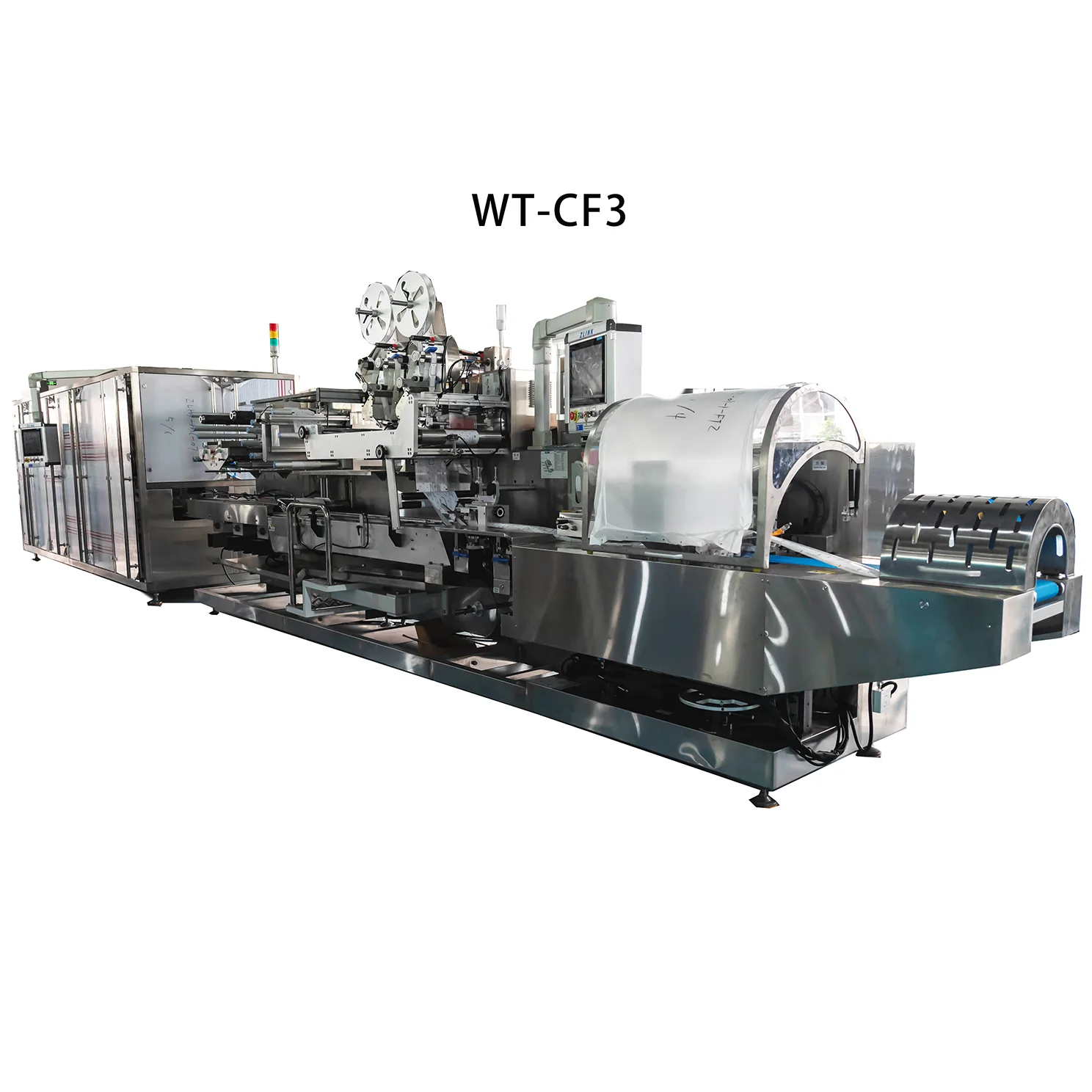
I want to start bluntly: focusing only on line-item cost is a losing game. When people ask about wet wipes manufacturing machine cost, they often mean purchase price — but that number hides maintenance, changeover time, and lost product. Technically speaking, old designs pile up wear on servo motors and force frequent PLC controller tweaks; the result is more downtime and unpredictable output. Look, it’s simpler than you think: a cheaper machine that can’t hold tension or repeat embossing patterns reliably will cost you in scrap and labor every month. I’ve measured it — repeated runs with faulty embossing rollers or dull slitting knives add hours of clean-up, rework, and customer complaints. That’s painful for operators; they lose trust in the process and then start inventing workarounds that drift you further from standard practice.
What’s wrong here?
We’ve tried band-aid solutions — extra QA checks, frequent operator training cycles, spare-part hoarding. Those help for a while, but they don’t stop root causes like inconsistent drive control or poor web handling. The real gap is systemic: we underinvest in diagnostics, predictive maintenance, and simple mechanical tolerances. Operators end up juggling manual feeds, while engineers chase transient faults. The cost line item wasn’t wrong — it was incomplete. — funny how that works, right?
New Technology Principles and How to Evaluate Them
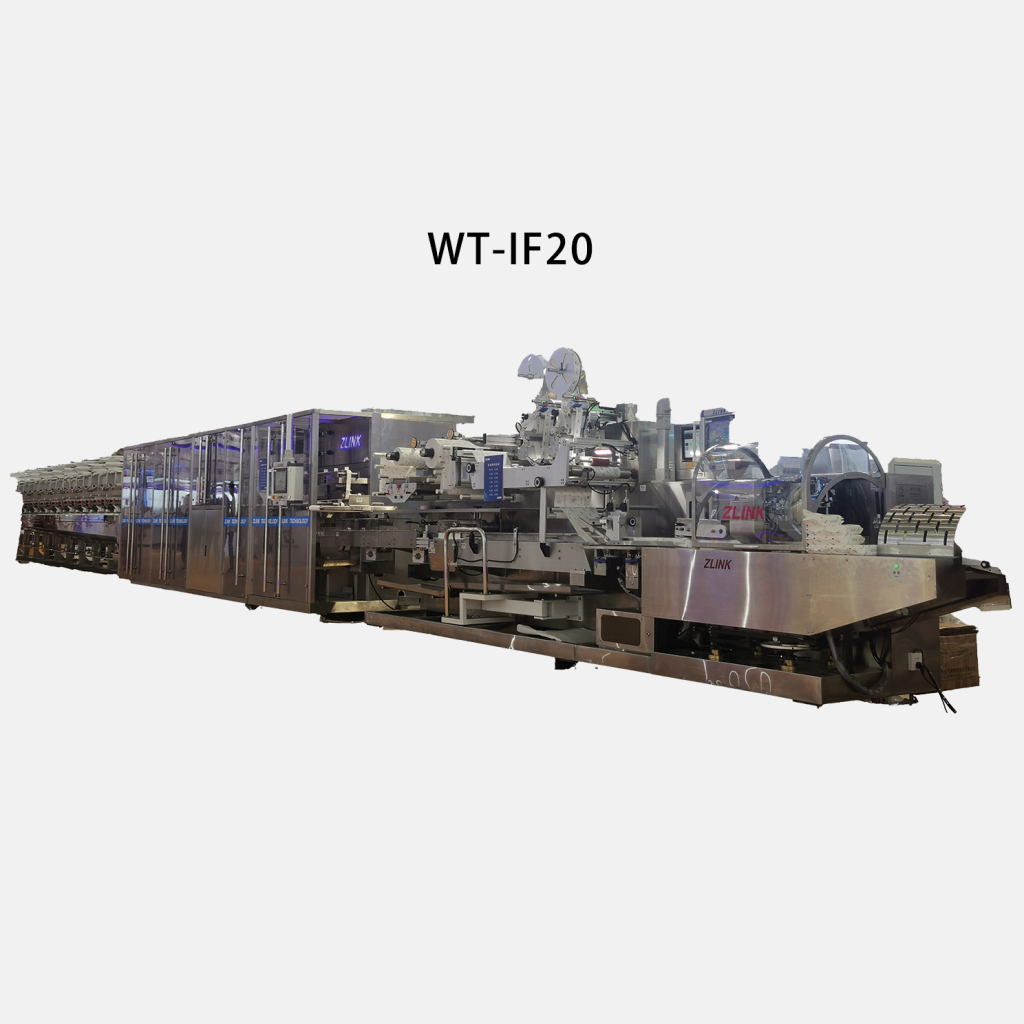
Now I want to look forward. New principles — not flashy features — change how lines behave. Think closed-loop tension control, in-line vision sensors for emboss alignment, and modular designs that let you swap a feed module in minutes. Those principles shrink hidden operating costs and push the useful life of parts. When a vendor talks price again, ask how their design reduces labor touchpoints and how it affects wet wipes manufacturing machine cost over three years, not just day one. I’ve tested setups where edge computing on the line reduced setup by over 30% and cut waste by half — tangible gains, not marketing claims. (We documented cycle times, mean time to repair, and scrap rates.)
What’s Next
Here’s a compact way I evaluate modern options: look for clear diagnostics (so you stop guessing), scalable controls (so upgrades don’t mean full replacement), and replaceable modules (so you repair, not rebuild). Practical terms: vision sensors that verify embossing, power converters with soft-start to lower stress on rollers, and remote-access logs for trend analysis. These principles lower total cost, but you have to measure them. — trust me, the math proves it.
Three Metrics to Choose the Right Path
I’ll close with three evaluation metrics I use when advising teams. First: effective cost per produced unit over a 36-month window — include maintenance, spare parts, and rework. Second: mean time between interventions (MTBI) for critical subsystems — servo motor failures or web breaks should be rare, measurable events. Third: changeover time from roll to roll — minutes matter here; reduced changeovers save labor and preserve quality. If a vendor can show reductions in these areas, their upfront price starts to look smart. If they can’t, you’re buying risk, plain and simple.
I care about this because I’ve seen factories transform by shifting focus from sticker price to operational clarity. I’m not selling a dream. I’m sharing what worked in real plants where operators smiled again and customers stopped calling about defects. For practical choices and a partner that understands these trade-offs, consider learning more from ZLINK.