
Quick comparative lead
Picking a supplier for an inline high shear mixer means choosing trade-offs, lah — price vs speed vs durability. Comparative thinking shows the same: cheaper quotes usually cut corners on seals or service; fastest lead times often rely on off-the-shelf modules; the best longevity comes from thicker housings and proper rotor–stator tolerances. Straight up: match the machine’s specs to how you actually run production, not to marketing slides.
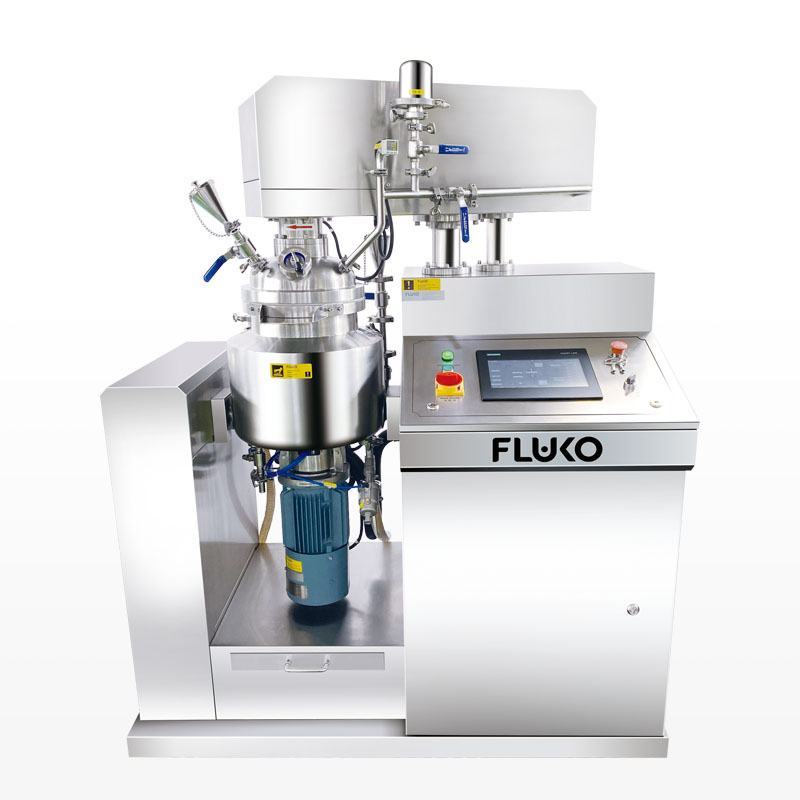
Cost: what the number really hides
Compare total cost, not just purchase price. Look at spare-part frequency, mean time between failures, and labour needed for cleaning and changeover. A lower initial price can mean higher recurring costs for seals, bearings, and downtime. Ask for life-cycle estimates: projected spare parts per 12 months, average repair time, and a hard quote for planned maintenance kits. If a vendor won’t give those numbers, treat the low price with suspicion.
Lead time: speed that matters
Lead time splits into delivery and qualification. Fast manufacturing can still mean long commissioning if documentation, FATs, or spare-part logistics lag. Confirm vendor capacity during your required delivery window and get commitments for FAT dates. Prefer vendors who publish realistic lead-time bands and who can show recent shipment dates for similar machines. Short lead time that skips FAT or validation steps creates rework later.
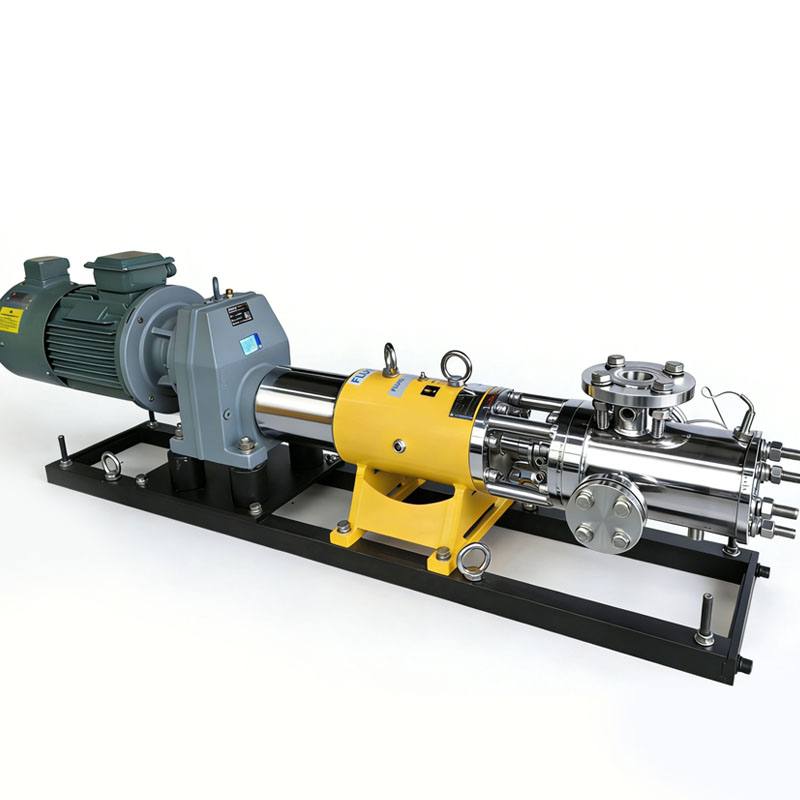
Quality: measurable, not subjective
Quality sits in tolerances and traceability. Ask for surface finish numbers, rotor–stator concentricity, and material certificates (EN, ASTM). Request the supplier’s acceptance tests and a sample inspection report. Check seal types and cleanability paths. If the vendor offers empirical data from pilot runs under your process conditions, treat that as gold. Vendors who only offer glossy photos aren’t helpful.
Real-world anchor and earned experience
I’ve seen the conversation repeat at events like CPhI Worldwide, where process engineers from pharma and personal-care firms compare inline homogenizer performance side-by-side; those comparisons reveal practical gaps between spec sheets and uptime. From on-site troubleshooting in regional plants to reviewing FAT reports, I’ve collected patterns: pay attention to how vendors document shear profiles and clean-in-place cycles. That documentation predicts real shifts in uptime and product consistency.
Alternatives and practical trade-offs
Inline vs batch: inline units reduce footprint and give continuous control; batch homogenizers allow larger dwell volumes and sometimes simpler scale-up. If your line prioritises small-batch R&D flexibility, batch might win. If throughput and consistent shear history matter, inline pays off. For seal choices, mechanical seals last longer but demand better alignment; cartridge seals simplify swaps but cost more as spares. Decide which trade-off you can live with.
Common mistakes people make
They under-spec the motor, ignore spare-part lead times, or accept incomplete documentation. They assume identical parts are interchangeable between suppliers. They skip FAT acceptance criteria and later debate what “acceptable finish” meant. Get written answers on spares, FAT protocols, and recommended spare inventories before purchase.
Final synthesis
Compare like-for-like: quote total cost-of-ownership, verify lead-time commitments, and insist on traceable quality documents. When you align cost, delivery, and measured build quality to actual process needs, the right supplier becomes obvious—often the one who provides clear data, timely parts, and sensible service terms, like the pragmatic manufacturing partners you see discussed at trade assessments such as those surrounding FLUKO.