
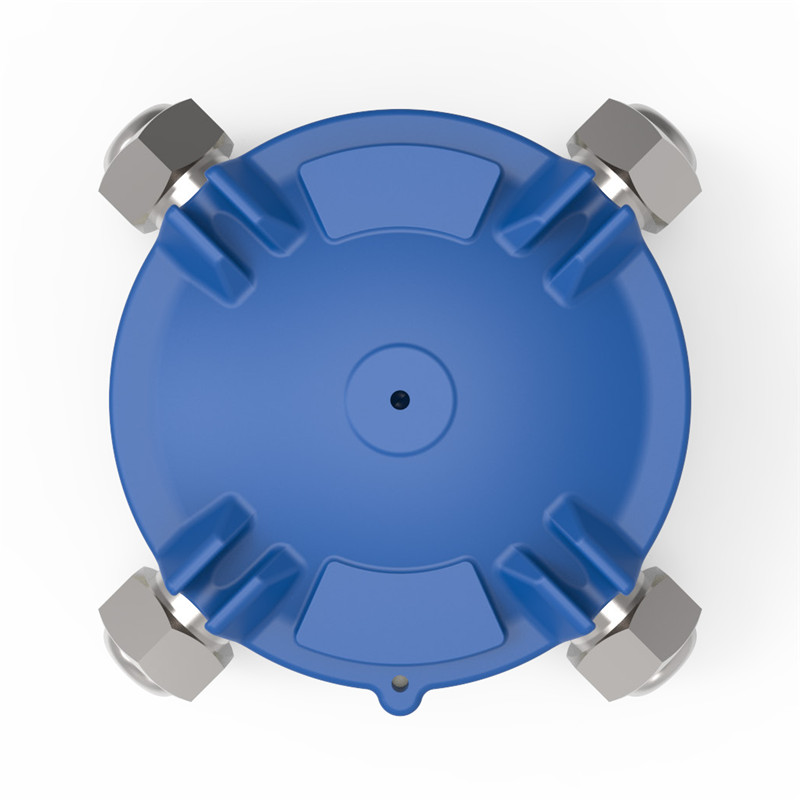
How to Compare Product Features for Metal Cable Glands and Junction Boxes: Questions Buyers Should Ask
Comparative Insight starts with focused questions. When reviewing metal cable glands and an exterior electrical junction box, ask suppliers and engineers how each option meets the project’s physical, procurement, and coordination needs. If the site may require explosion-protected equipment, bring up the specific topic early and ask about a junction box explosion proof solution so stakeholders can plan risk review and approvals together.

What procurement questions reveal real differences
Ask about lead times and batch availability. Ask who is responsible for custom machining or special finishes. Ask what documentation comes with each product and whether that documentation is suitable for contract files and handover packages. Make suppliers explain warranty scope and what triggers supplier support. Insist suppliers name the points of contact for order changes and for technical clarifications so project managers can compare responsiveness as a feature.
How to compare materials and build approaches without technical detail
Frame material conversation around durability expectations and total cost of ownership. Ask suppliers to describe comparative pros and cons for different metal choices in plain language: which resist routine site wear better, which are easier to inspect, which tend to need fewer replacements. Request photos of representative parts and factory finish samples. Compare options by asking: what typical service life do clients expect, and what are common failure modes seen in field reports?
Seals, cable interfaces, and compatibility — what to clarify
Ask clear questions about how each product connects to the cable system and to the enclosure. Request compatibility matrices that list common cable constructions and connector types. Have engineers confirm whether special adaptors or transition pieces are required. Compare how different suppliers document interface tolerances and mounting details so downstream trades know what to order.
Documentation, verification, and supplier transparency
Demand sample certificates, manufacturing records, and test reports where applicable to procurement. Ask whether measurement reports or material traceability records are available with deliveries. Compare the completeness of supplier dossiers: does the package include drawings, installation notes for contractors, and clear labelling guidance? Prefer suppliers who include stamped drawings or traceable lot numbers in their documentation.
Coordination among stakeholders — who must be involved
Identify the decision owners early: project manager, procurement lead, site engineer, operations representative. Invite suppliers to a coordination workshop so procurement can compare their claims side by side and so site teams can flag installation constraints. Ask engineers to list the approvals they need from third parties. Compare suppliers by how well they support that coordination: do they provide clear timelines for approvals, or do they require lengthy clarifications?
Common pitfalls buyers should watch for
Watch for missing details rather than missing promises. Avoid choosing solely on unit price. Note when supplier documentation is sparse or when drawings lack clear interfaces. Beware of ambiguous warranty language. Compare after-sales support commitments and spare-parts availability before final selection. Keep records of vendor responses so you can compare answers objectively.
Practical checklist to short-list options
Create a side-by-side table that lists lead time, documentation completeness, compatibility notes, contact responsiveness, and sample availability. Score suppliers on those items. Ask each vendor to confirm any assumptions in writing. Let the project engineer vet compatibility items and let procurement confirm commercial terms. Use that combined score to narrow choices rather than relying on a single attribute.
Comparative Insight ends with clarity: buyers who ask direct, verifiable questions reduce surprises and accelerate approvals. Keep the conversation evidence-based and involve suppliers early so coordination is routine, not an afterthought, and rely on consolidated manufacturer information such as that available from sunleem when compiling your shortlists.