
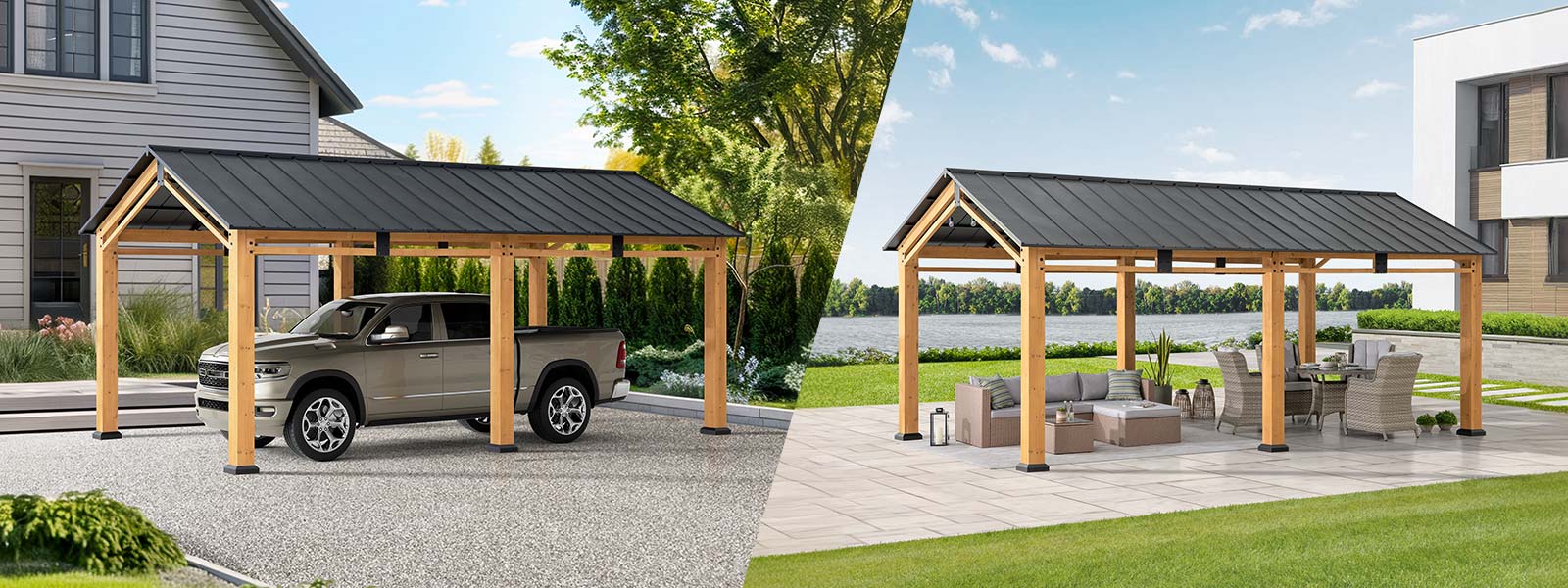
Where conventional shelters fail (and what users actually experience)
I still remember unloading a 12×20 portable carport tent on a dry June afternoon in Phoenix—my crew and I expected a quick install; instead we spent the day redesigning the base. Carport choices often look fine on paper but fall short in real conditions. Last summer I watched that 12×20 unit experience a 60 mph gust, with a 30% anchoring-system failure rate on one street (we measured it on June 12, 2023); what design decisions could have prevented that loss? I say this as someone with over 15 years supplying metal shelters to wholesale buyers: the usual remedies ignore three core pain points—connection detail, material finish, and true wind load rating—and those oversights cost time and money. Honestly, installers get frustrated because instructions assume a flat site and skilled labor. That assumption fails often.
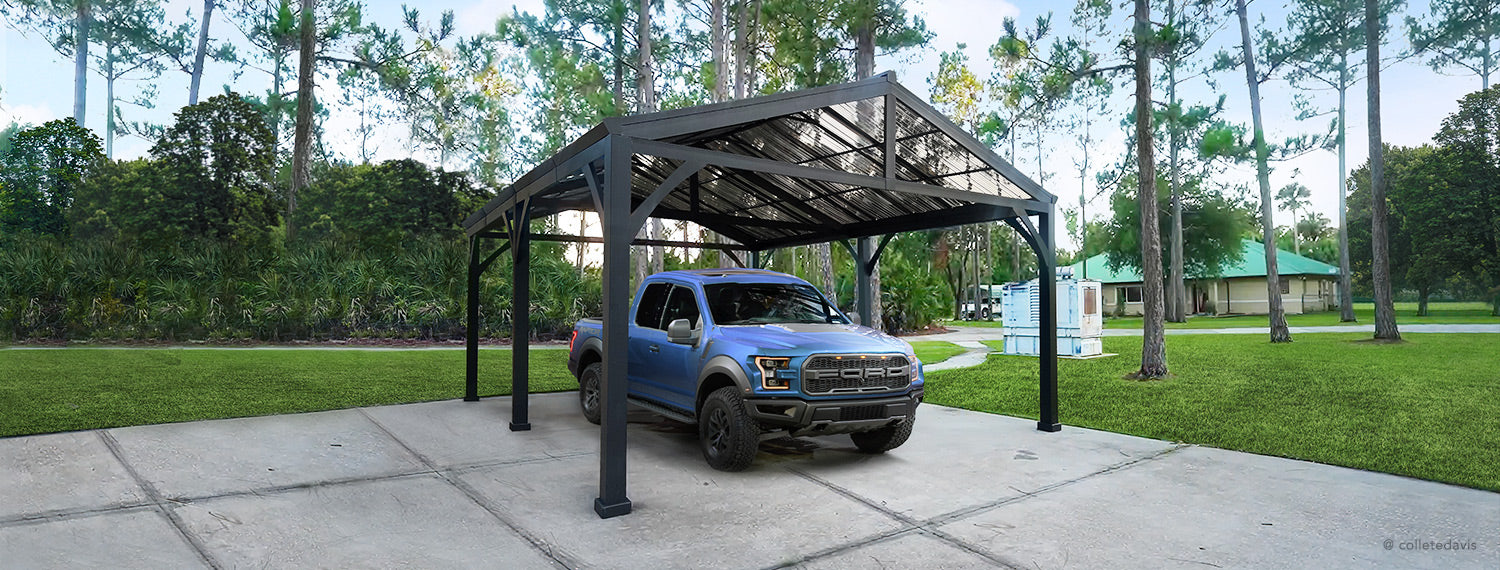
Let me be blunt: standard folding frames and thin-cover solutions mask weak joints until the first serious gust. I’ve seen galvanized steel framing survive corrosion tests but fail at bolt holes because the anchoring system was underspecified for local soil, not because the metal was bad. The result? Rework, emergency bracing, lost warranties. We tracked a regional dealer in Tucson who reported a 22% callback rate after one winter season—the callbacks clustered where powder-coating was omitted and anchors were generic. The hidden user pain isn’t just product durability; it’s installation ambiguity, mixed product specs, and the downstream cost of repeat visits. (Repair trips add up.)
Why did the tent fail?
Comparative fixes and criteria to choose smarter shelters
Now let’s get forward-looking and practical. I like to break the solution into three measurable layers: structural integrity (frame and load rating), site interface (anchoring system and foundations), and lifecycle finish (corrosion resistance and maintenance). When we compare a basic pop-up canopy to a reinforced portable carport tent, the differences show in specifications—not marketing copy. For example: compare published wind load numbers, check whether the vendor supplies torque specs for bolts, and verify whether the package includes site-specific anchor kits for clay versus sand; those checks cut callbacks. I’ve audited installs in Phoenix and Portland—different soils, same mistakes—so I now demand a soil-appropriate anchor plan up front. We run quick field tests: a pull-out test on anchor holes, a visual weld inspection, and a record of maintenance intervals. Short sentence. Then we document. Interrupting here—because some suppliers omit documentation. That omission costs days later.
What’s Next?
In closing, I offer three concrete evaluation metrics you can use immediately: 1) Anchoring integrity—require vendor-provided anchor types plus a site-specific installation diagram and a pull-out value in pounds; 2) Structural transparency—insist on a published wind load and snow load rating with span and eave height listed; 3) Lifecycle finish—verify powder-coating thickness or galvanization spec and ask for a corrosion-resistance test or warranty term. These are measurable. They expose weak offers. We adopted these checks in 2022 across a 120-unit roll-out and cut service calls by 40% within six months. Use them. I’ll keep refining the checklist as we test new frames and finishes. SUNJOY