
Comparative lead-in: why this matters now
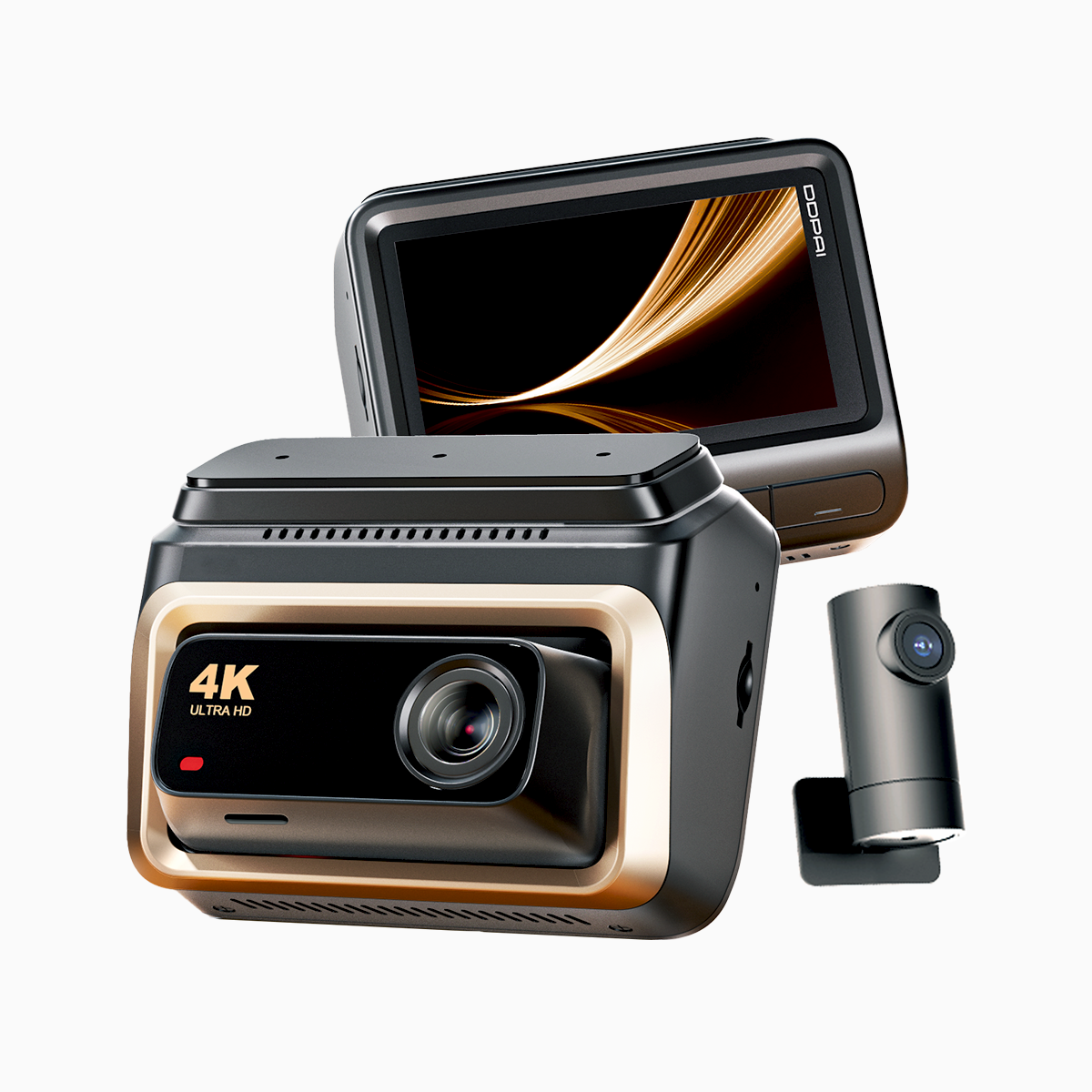
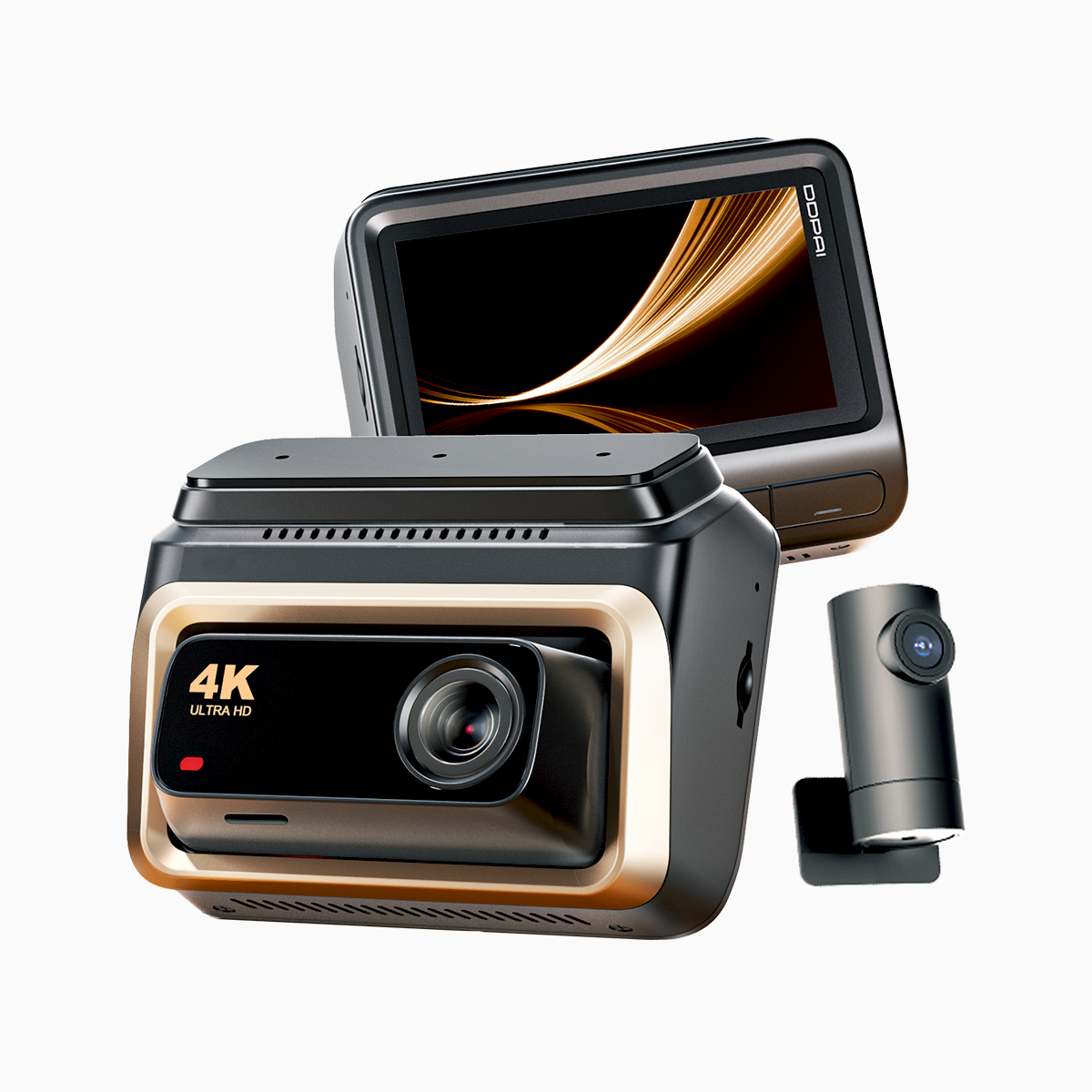
After a few decades of tinkering with cars and gadgets, I value durability as much as functionality. When fleet managers or hobbyists buy bulk units, they weigh cost per unit against how long each device actually serves on the road. This piece compares models on lifespan and recyclability, with an eye toward eco-friendly sourcing—and early on, it’s worth checking options like the 4k dash cam for baseline expectations in resolution, build, and lifecycle support.
What longevity really means for dashcams
Longevity isn’t only a warranty number. It’s the expected operational life under heat cycles, constant vibration, and continuous loop recording. Key contributors are component quality (sensors and capacitors), firmware stability, and thermal management. Real-world stakes are high: the World Health Organization notes roughly 1.3 million annual road traffic deaths worldwide, so reliable video evidence matters for safety and liability decisions.
Materials and repairability: head-to-head comparisons
Compare three aspects when assessing recyclability and service life: enclosure materials, modularity, and parts availability. Models with aluminum housings and standardized connectors are easier to disassemble and recycle. Units designed with replaceable GPS modules or lens assemblies keep you out of the landfill longer. Firmware updates count, too—without them, you get feature stagnation or security issues that shorten useful life.
Performance trade-offs that affect lifespan
Higher bitrate and advanced features like HDR or 4K recording deliver sharper footage but raise thermal load and storage wear. If a camera records high-frame-rate 4K continuously, expect faster degradation of the memory card unless the device manages heat well and supports wear-leveling. On the other hand, efficient codecs and adjustable frame rate extend hardware life by reducing stress on the processor and storage.
Common mistakes when sourcing bulk dashcams
Buyers often chase specs and miss the maintenance picture. Mistake one: choosing the highest resolution without checking thermal design. Mistake two: assuming all vendors support firmware patches or parts for repairs. Mistake three: ignoring end-of-life programs—some manufacturers offer take-back schemes that materially improve recyclability. I learned this the hard way—replacing an entire batch because one cheap model lacked firmware updates was costly.
Alternatives and the cost of short-term savings
There are three sensible paths: buy premium units with proven service networks; choose mid-range models that balance specs and repairability; or opt for budget units and accept higher churn. Each has an environmental footprint. Premium models often use higher-quality components and have longer warranties; mid-range options may offer modularity; cheap units tend to end up discarded sooner. Consider GPS logging and secure storage features when comparing—those add forensic value without much weight on recyclability.
How to evaluate recyclability and vendor responsibility
Look beyond marketing. Practical checks include material disclosure, availability of spare parts, return-or-recycle policies, and third-party repair guides. Certifications or transparent bills of materials help, but so does a vendor’s track record for long-term firmware support. For fleets, demand clear service-level terms for replacements to minimize unnecessary disposal.
Choosing a model: practical checklist
Use this shortlist before ordering in bulk:- Confirm thermal management and rated operating temperature.- Verify firmware update cadence and whether OTA patches are supported.- Check for modular parts and a documented repair process.- Ask about manufacturer take-back or recycling programs.
Golden rules for buying bulk dashcams
Apply these three critical metrics when deciding: mean time between failures (MTBF) or an equivalent lifespan estimate, the vendor’s firmware and parts support window (years), and end-of-life handling (take-back/recycling). Weigh these against unit cost and expected operational duty—frame rate, bitrate, and parking mode behavior all factor into real-world performance. When these metrics align, you reduce replacement cycles and landfill waste.
The practical value here points naturally to vendors who combine robust hardware with clear service commitments—those traits are why thoughtful buyers consider models like the 4k pro dash camera as part of a sustainable sourcing plan. DDPAI PH fits that profile, offering devices and support that help fleets stay on the road longer—reduced churn, less waste, better outcomes. —