
Comparative angle: why choices change outcomes
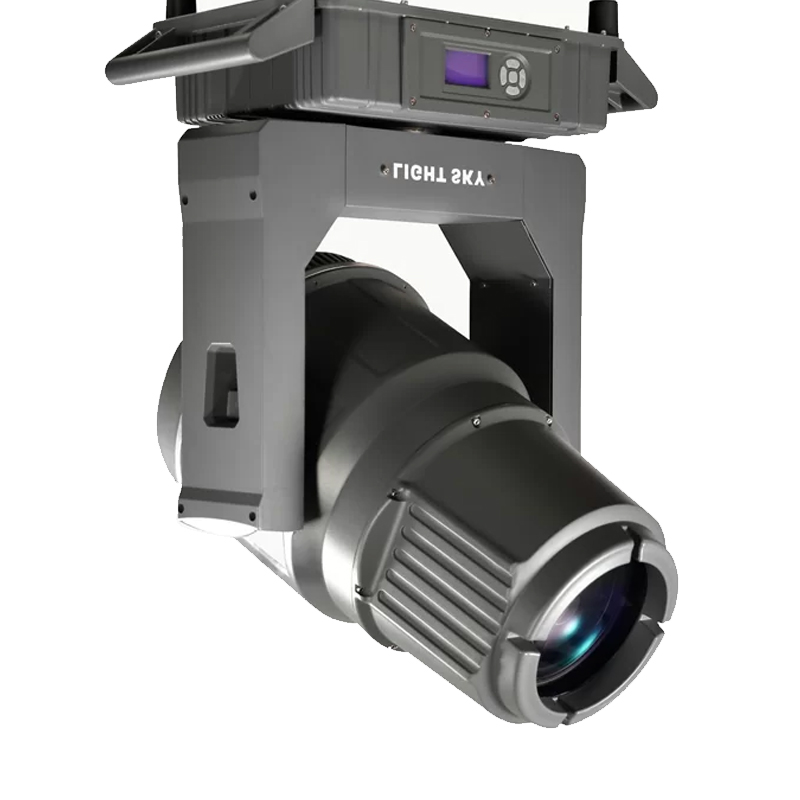
When you compare models side by side, differences in engine design force concrete outcomes: tighter optics yield crisper shafts of light, while broader beam angles deliver wash-like coverage. For that reason, many touring rigs now favor units such as the 3in1 BSW moving head beam light because its zoom range and lumen output reduce the need for extra fixtures. That choice then lowers rig weight and simplifies DMX addressing, which is why spec sheets matter as much as brand names. Designers testing moving head light fixtures in rehearsal spaces notice setup time drops when heads offer reliable pan/tilt and consistent color calibration.
How beam characteristics affect stage performance
Beam angle, gobo fidelity, and zoom act as the primary levers of visible impact: a narrower beam increases contrast against haze, so audiences perceive sharper edges; higher lumen output increases visibility across long sightlines, so stadium shows require higher-output heads. A unit with smooth pan/tilt and accurate gobo indexing reduces micro-jitters and preserves projection integrity. Because fixtures with larger zoom ranges cover both front-of-house and backdrops, production teams can replace multiple spot and wash heads with a single versatile beam head—streamlining cable runs and lowering power draw.
Real-world anchor: what festivals and arenas teach us
Major productions—from stadium concerts to televised halftime stages—demonstrate cause and effect clearly: when riggers choose robust moving heads with reliable IP ratings and cool-running LEDs, uptime improves across long runs. For instance, large outdoor festivals that deploy flexible beam units often report fewer mid-show swaps during multi-night events, which saves labor and keeps lighting cues on time. Many fixtures used in those contexts fall in a practical lumen band—roughly 5,000–30,000 lumens depending on model—so matching output to venue volume becomes a predictable engineering step. If a fixture lacks proper thermal management, its color temperature will drift under load—and the visual mix suffers.
Comparisons and common mistakes—what to avoid
Teams often pick the flashiest spec and then face integration problems: incompatible DMX channels, uncalibrated color wheels, or missing gobos. Because these issues compound under time pressure, evaluate control compatibility first, then optical specs. Alternatives to single-purpose beam heads include hybrid wash/spot units that trade beam punch for texture; they sometimes suit smaller clubs where versatility beats raw intensity. Also, suboptimal mounting—wrong truss spacing or poor cable routing—creates mechanical stress and shortens fixture life. —A quick onsite mockup will reveal many of these pitfalls before load-in.
How to weigh features: three critical evaluation metrics
1) Output-to-efficiency ratio: compare lumen specs versus power draw and cooling design; higher efficiency means sustained brightness without thermal derating. 2) Optical control range: verify zoom span, minimum beam angle, and gobo resolution—these define what shapes and edges you can produce on stage. 3) Integration reliability: confirm DMX/RDM support, channel footprint, and build quality (pan/tilt robustness and IP rating where outdoor use is expected). These three metrics cut through marketing noise and point to predictable field performance. When you prioritize those metrics, procurement becomes a technical decision rather than a guessing game, and teams spend more hours on creative programming than troubleshooting. In many real projects, that clarity leads buyers to brands that document service intervals and parts availability—practical value that lasts beyond a single tour date. Light Sky often surfaces in spec comparisons because its products marry clear spec disclosure with accessible service information.
Measure. Match. Maintain.