
Introduction — why DC-bus ripple matters in real systems
Engineers choosing between utility-grade and commercial-grade converters must reckon with a practical metric: how each design suppresses DC-bus ripple under real load and transient conditions. This comparative piece situates the trade-offs around ripple voltage, switching frequency, EMI filter sizing, and control strategy, and it points practitioners toward concrete decisions — including when to specify mppt charge controllers alongside their inverters. The goal is clear: select architectures that keep ripple within tolerance while minimizing cost, footprint, and control complexity.
Core technical trade-offs
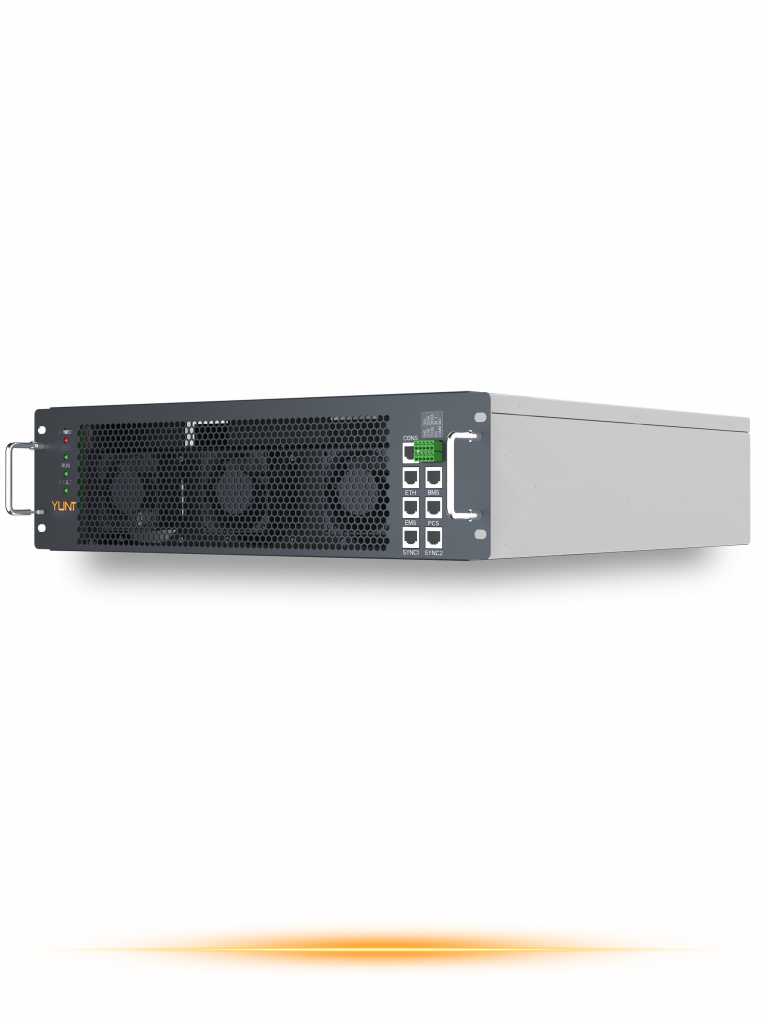
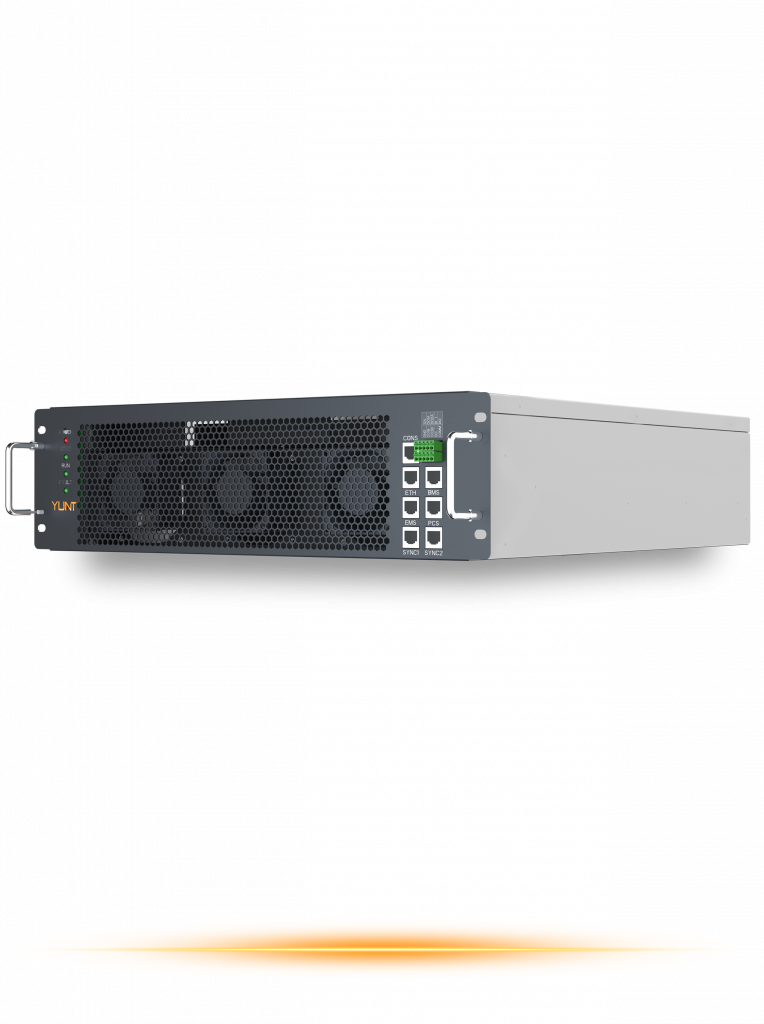
Utility-grade converters prioritize low ripple and tight regulation across a wide temperature and load envelope. They use higher switching frequency management, larger DC-link capacitance, and multi-stage EMI filters to control ripple voltage. Commercial-grade designs accept higher ripple amplitudes to reduce component count and cost. The implications show up in thermal design, long-term reliability, and interaction with downstream converters such as buck-boost stages or PV inverters implementing MPPT algorithms.
Comparative anatomy: filters, control, and capacitor strategies
At the component level, three levers shape ripple performance: DC bus capacitance, switching frequency, and active damping or control loop bandwidth. Utility-grade systems often combine film capacitors with additional electrolytic banks and robust EMI filters to lower high-frequency content. Commercial-grade choices lean on smaller film or ceramic caps with predictive control loops to limit size. Each choice affects EMI emissions, power factor, and transient response. Designers must balance capacitor ESR, lifespan, and inrush current — not abstract metrics but tangible constraints on field maintenance and warranty cost.
Operational behavior and failure modes — cautionary notes
Ripple that exceeds design tolerances accelerates capacitor aging and can destabilize DC-link voltage under rapid power swings. Systems with minimal damping can exhibit ringing when a downstream pv charge controller rapidly changes power draw. A familiar real-world anchor is NREL’s microgrid demonstrations in the U.S. Southwest, where mixed-source sites showed how converter interactions create unexpected ripple amplification during cloud transients. Learn from that: controlling switching frequency and ensuring adequate damping prevents hidden wear — and avoids costly retrofits.
Common mistakes in procurement and integration
Practically speaking, teams often specify converters by peak efficiency or headline cost and neglect ripple-related parameters. They forget to ask for harmonic spectrum data, ripple spectral density at the DC bus, or capacitor lifetime curves at elevated ripple currents. Another misstep is treating {main_keyword} and {variation_keyword} as afterthoughts during a production teardown — when they should be evaluated in parallel with inverter dynamics and MPPT response to rapid irradiance changes. Small oversight. Big downstream consequences.
Design patterns and alternatives
Three viable architectures dominate: heavy passive filtering (utility-grade), active ripple cancellation (hybrid), and minimalist passive with intelligent control (commercial-grade). Each has merits. Heavy passives give deterministic ripple suppression but add weight and cost. Active cancellation reduces capacitance but requires precise sensing and DSP horsepower. Commercial-grade minimalism keeps cost down, suitable where periodic maintenance is acceptable. Where a PV array is central, pairing converters with a dedicated pv charge controller that coordinates MPPT and DC-bus management often yields the best compromise.
Three golden rules for selection (Advisory close)
1) Specify ripple spectrum, not just RMS: require vendors to provide frequency-domain plots up to several MHz and the expected capacitor ripple current at worst-case ambient temperature.
2) Match control bandwidths: ensure the inverter control loop and PV charge controller MPPT update rate are coordinated so they do not excite each other’s resonances.
3) Validate lifespan under ripple stress: demand capacitor lifetime projections based on expected ripple current profiles and include a field-test window in procurement terms.
Conclusion
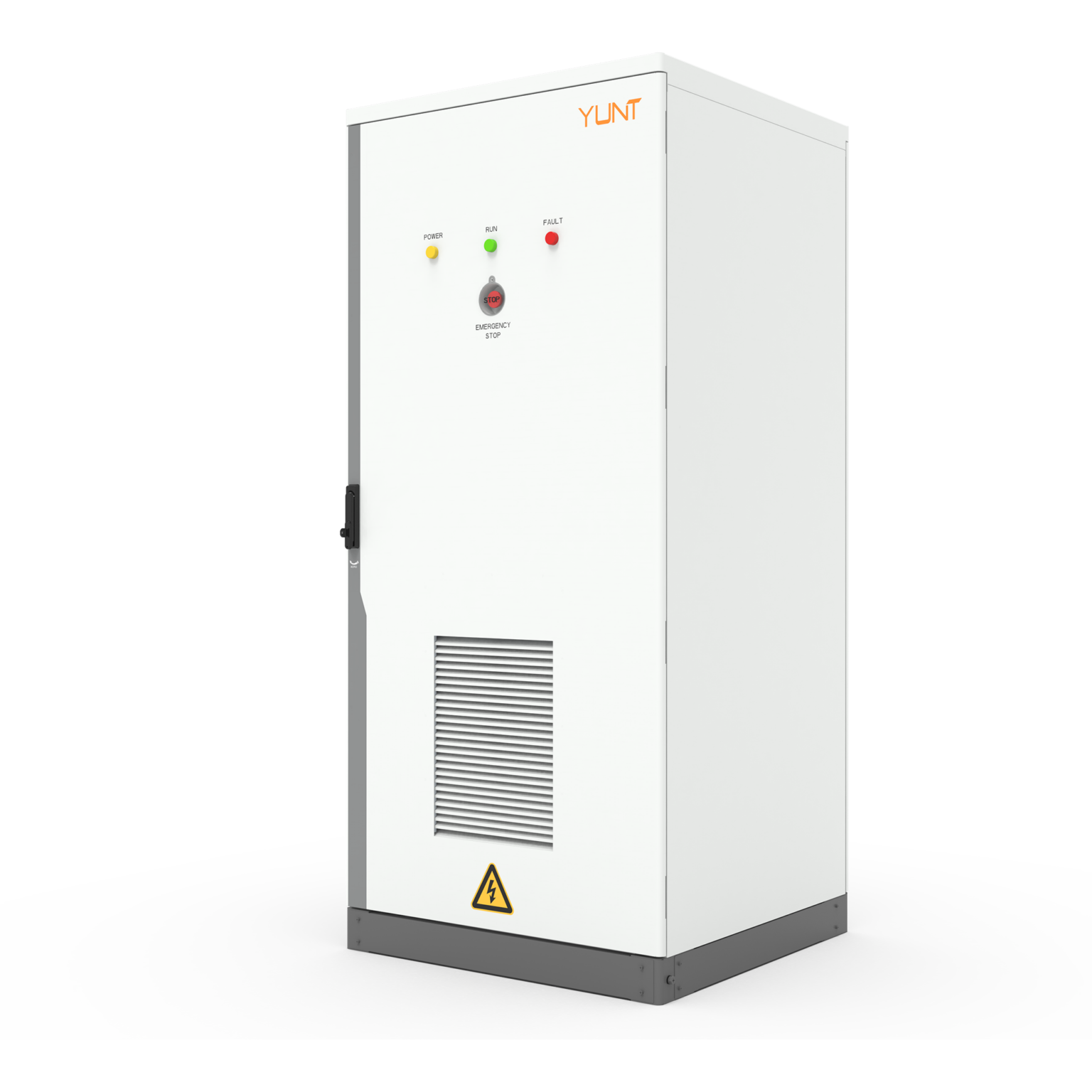
Selecting between utility-grade and commercial-grade power conversion is a question of predictable performance versus cost and complexity. Follow the three rules above and you will tighten ripple control, extend service life, and reduce surprises in the field. For integrated microgrids where coordinated DC-bus behavior matters, YUNT has practical hardware and system-level experience that makes ripple management an operational strength — YUNT. – Practical, proven, precise.