
Introduction: A Shop-Floor Moment, A Big Number, One Simple Question
I was at a small fleet yard last week, watching a driver juggle cables and schedules while the sun burned the asphalt — familiar scene. An all-in-one charging station sat on the lot, promising to cut that chaos down, but only one of the chargers actually worked fast enough for the route (and the rest kept tripping breakers). Fleet managers tell me they lose hours each week to temperamental chargers, broken connectors, and billing headaches. Industry reports say fast-charge adoption is rising by double digits year over year, yet downtime still eats margins. So what do we actually need from a charger to stop wasting time and money — and who fixes it? (I’ll be blunt: the tech should make life easier, not create more paperwork.) This sets us up to dig into what’s really going wrong — and how to fix it next.
Why Old Fixes Fail: The Hidden Flaws of Traditional Charging
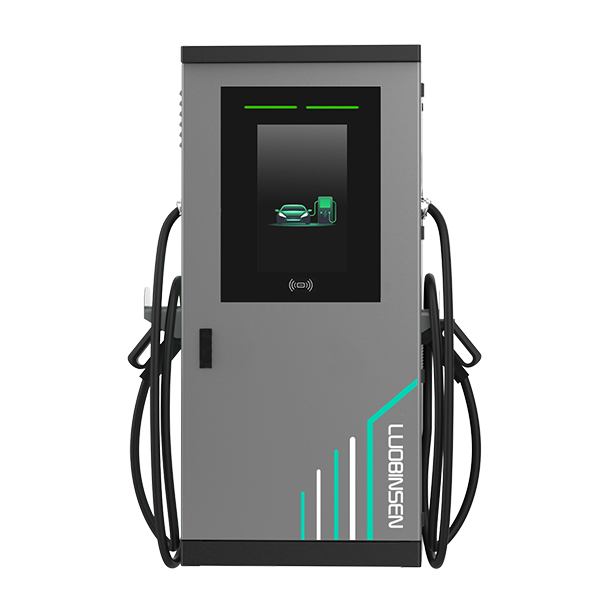
As I mentioned above, a lot of promise meets reality in the yard. Let me point at a few things I see again and again. First, many outdoor setups (see ev charger outdoor) were designed like patchwork. Cables tangle. Connectors wear out. Power converters overheat because they were sized for a lighter load. That’s not theory — it’s daily pain for technicians and drivers. We’re talking about DC fast charging, battery management system mismatches, and poor cable management. These problems slow turnover, raise repair bills, and kill reliability.
Second, control systems are often last on the list. Old controllers lack proper load balancing and smart metering. They can’t coordinate multiple stalls during peak demand. The result: tripped breakers, unhappy customers, and manual resets at midnight. Look, it’s simpler than you think — you need robust power electronics and clear firmware that won’t ghost you when a storm hits. And on top of that, interoperability is a mess; chargers speak different dialects of OCPP or worse, proprietary protocols. That means integrations with fleet software or billing systems become expensive, custom projects.
What’s the main oversight?
In one word: resilience. People design for ideal days, not for real ones — rain, peak load, or a driver who plugs in wrong. Fix that and you cut downtime fast.
New Principles for Future-Proof Charging
Now let’s move forward. I want to explain a few technology principles that actually make a difference. First, integrated thermal management and modular power converters let you scale without a forklift swap. Second, intelligent load balancing — paired with grid integration — prevents trips and spreads power where it’s needed. And third, open charging protocols and remote diagnostics let an engineer patch a problem from a laptop instead of standing in the rain. When you combine these, you get a high uptime system that’s easier to maintain. Also, note how the idea of edge computing nodes at the charger can reduce latency for payment and telemetry — tiny but handy.
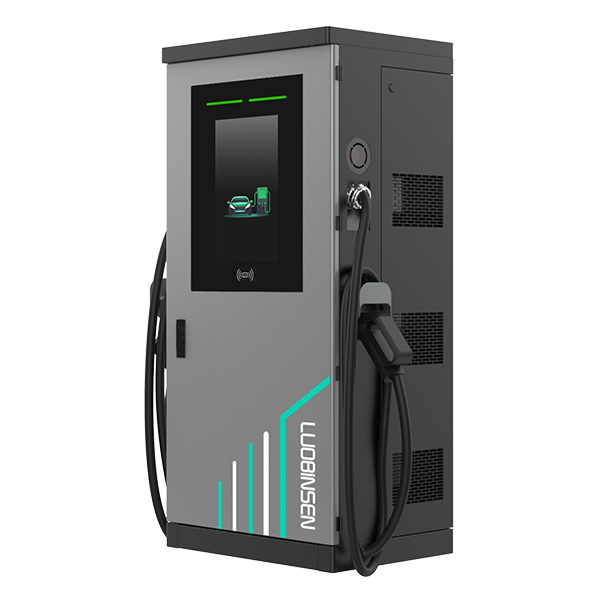
Practically, that means a high power ev charger should not be just brute force. It should be smart about how it draws energy, talk cleanly to back-office systems, and keep a technician informed before a failure turns into an outage — funny how that works, right? I’ve seen an installation cut service calls by half after swapping to modular units with clear diagnostics. That saved time and it saved headaches — and the fleet manager smiled. I’ll say it plainly: invest in modular power electronics and remote monitoring. You’ll thank me later.
What’s Next?
We’re heading toward chargers that behave more like servers than simple appliances. Expect better battery-aware charging curves, more coordination with local PV and storage, and smarter firmware updates. In short: resilience, efficiency, and fewer surprises.
How to Choose: Three Metrics I Use Every Time
When I evaluate a system — and I do this for clients and my own projects — I focus on three hard metrics. First: uptime guarantees and mean time to repair (MTTR). If the vendor can’t show real numbers, walk away. Second: interoperability — check supported protocols (OCPP versions), firmware update paths, and API access. Third: modularity of power components and spare-part availability. Can you swap a module in the field in under an hour? If not, expect downtime. These metrics cut through slick marketing and tell you what you’ll actually get on a rainy Tuesday at 2 a.m.
In short: measure what matters. Ask for test reports. Require remote diagnostics. Compare realistic lifecycle costs, not just the sticker price. If you do that, you’ll end up with systems that work, not just systems that look good on paper.
For practical sourcing and support, I’ve worked with vendors who deliver both parts and clear documentation — and yes, you can find reliable partners if you ask the right questions. For a place to start, check out Luobisnen for product specs and support paths: Luobisnen.