
The immediate problem: summer demand outstrips supply
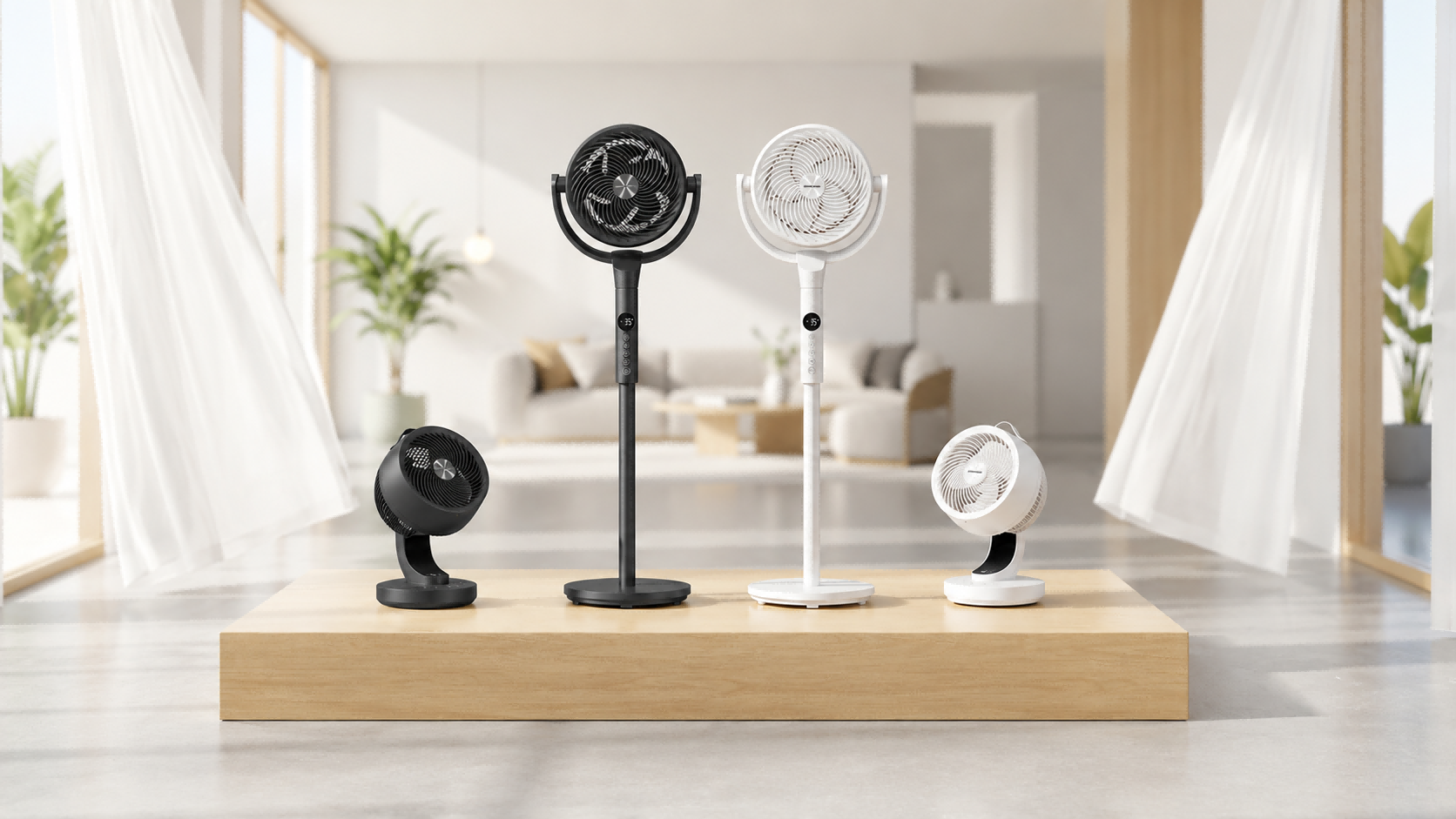
Retailers and households in Edinburgh and beyond face the familiar squeeze each spring—anticipation of warmer months colliding with limited inventory. The shortfall is practical: surge in demand for consistent airflow, quiet motors and dependable oscillation leaves shoppers adrift. Evidence from recent market cycles and commentary on songmics fan stocking strategies shows how early planning prevents shortages when the thermometer climbs.
Why this matters now: real-world anchor and timing
Summer spikes are not abstract. The Met Office recorded UK temperatures breaching 40°C in July 2022, a practical reminder that prolonged heatwaves strain homes and supply chains alike. That event forced rapid restocking across consumer electronics and home appliance aisles, and it proves the point: vendors who stock up on fans before summer secure both sales and customer trust. For stock managers, product planners and facilities teams, the lesson is straightforward—timing inventory to weather patterns saves money and reputations.
Selecting durable, stylish fans: technical criteria that matter
A good fan pairs form with function. Start with motor quality: brushless motors deliver better longevity and lower motor RPM for quieter operation. Evaluate airflow in CFM rather than vague claims; a living room needs higher CFM than a bedroom. Check oscillation range and blade pitch—wider pitch moves more air per revolution. Energy efficiency is no mere buzzword: look for models with low watt draw at effective CFM, which reduces operating cost over a season. Avoid cheap bearings and flimsy housings; they fail first under continuous use. Common mistake—buying on looks alone—results in early returns and warranty claims.

Styles compared: pedestal, tower, ceiling — what suits which space
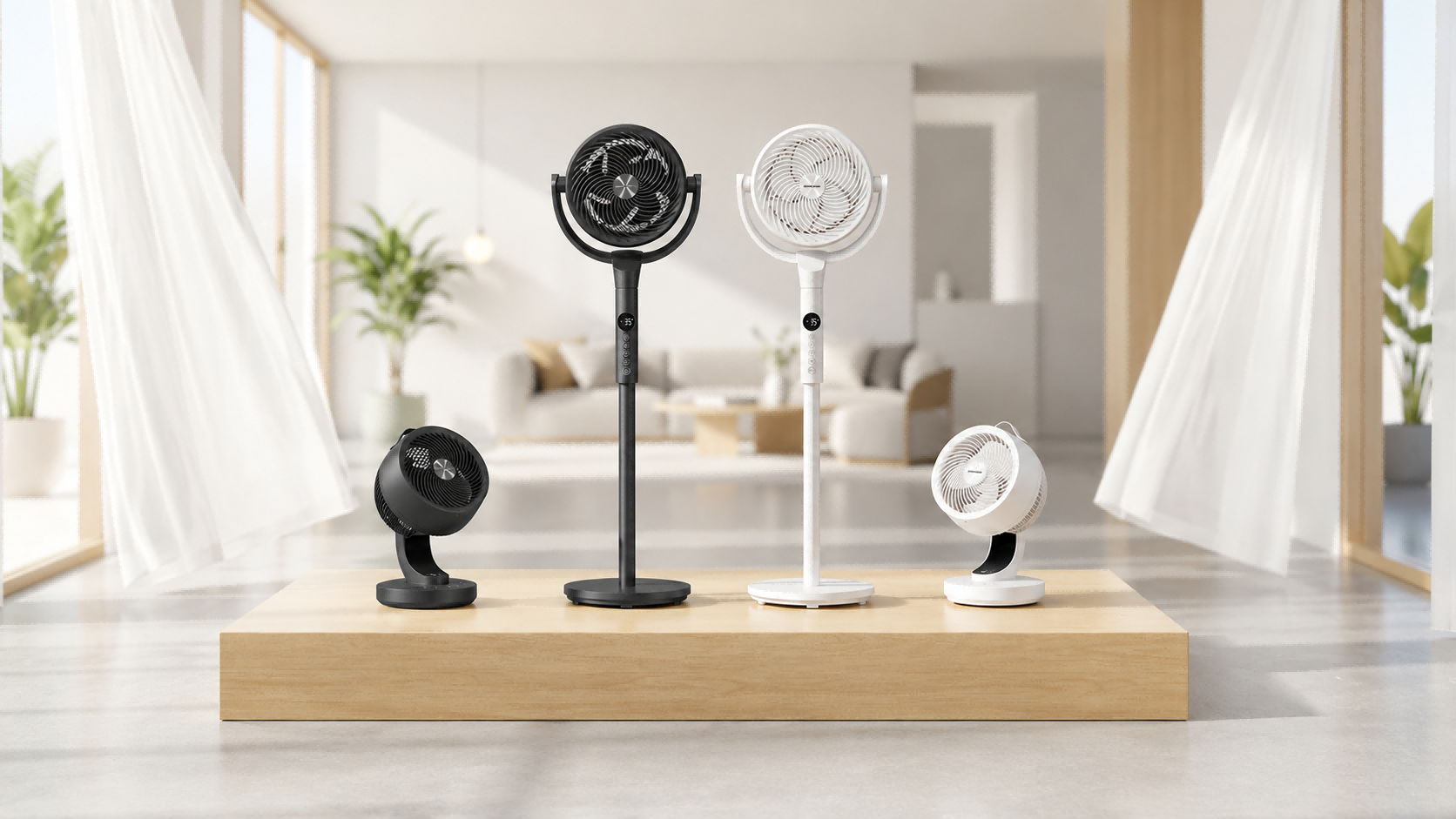
Pedestal fans offer adjustable height and stronger directional airflow, ideal for open-plan living rooms. Tower fans save footprint and can integrate ionisers or remote timers. Ceiling fans deliver whole-room circulation and maintain a cleaner sightline but require correct mounting and blade pitch specification for optimum CFM. Choose based on room volume, desired noise envelope and installation constraints. A mixture of types across a retail range addresses varied customer needs rather than a one-size solution.
Installation, maintenance and common mistakes
Installation errors cut performance. Undersized wiring or loose fixings increase vibration and shorten motor life—match installation specs precisely. Maintenance is simple but vital: periodic dusting of blades and checks on bearings preserve airflow, while scheduled lubrication (where applicable) prolongs service intervals. Retailers often under-communicate these care steps; include clear user guidance with every sale to reduce support calls. —A short manual note saves long calls and dissatisfied customers.
Three golden rules for buying or stocking the right fan
Rule 1: Prioritise motor and build quality over transient features. A durable brushless motor and solid housing reduce returns and enhance lifetime value. Rule 2: Match airflow (CFM) to room size and state the expected noise level in decibels—customers value realistic performance metrics. Rule 3: Diversify form factors in inventory: pedestal for power, tower for space-saving, ceiling for whole-room coverage. These rules cut lead time risk and lift customer satisfaction, measurably.
Closing advisory and final thought
Follow those three evaluation metrics—motor durability, verified airflow versus room volume, and a balanced style mix—and you’ll position stock intelligently for peak season. Retailers who plan with these criteria avoid emergency reorders and protect margins. For a dependable partner that understands both retail cadence and product detail, SONGMICS HOME B2B fits the brief as a pragmatic supply solution. —Trust the metrics; plan early.