
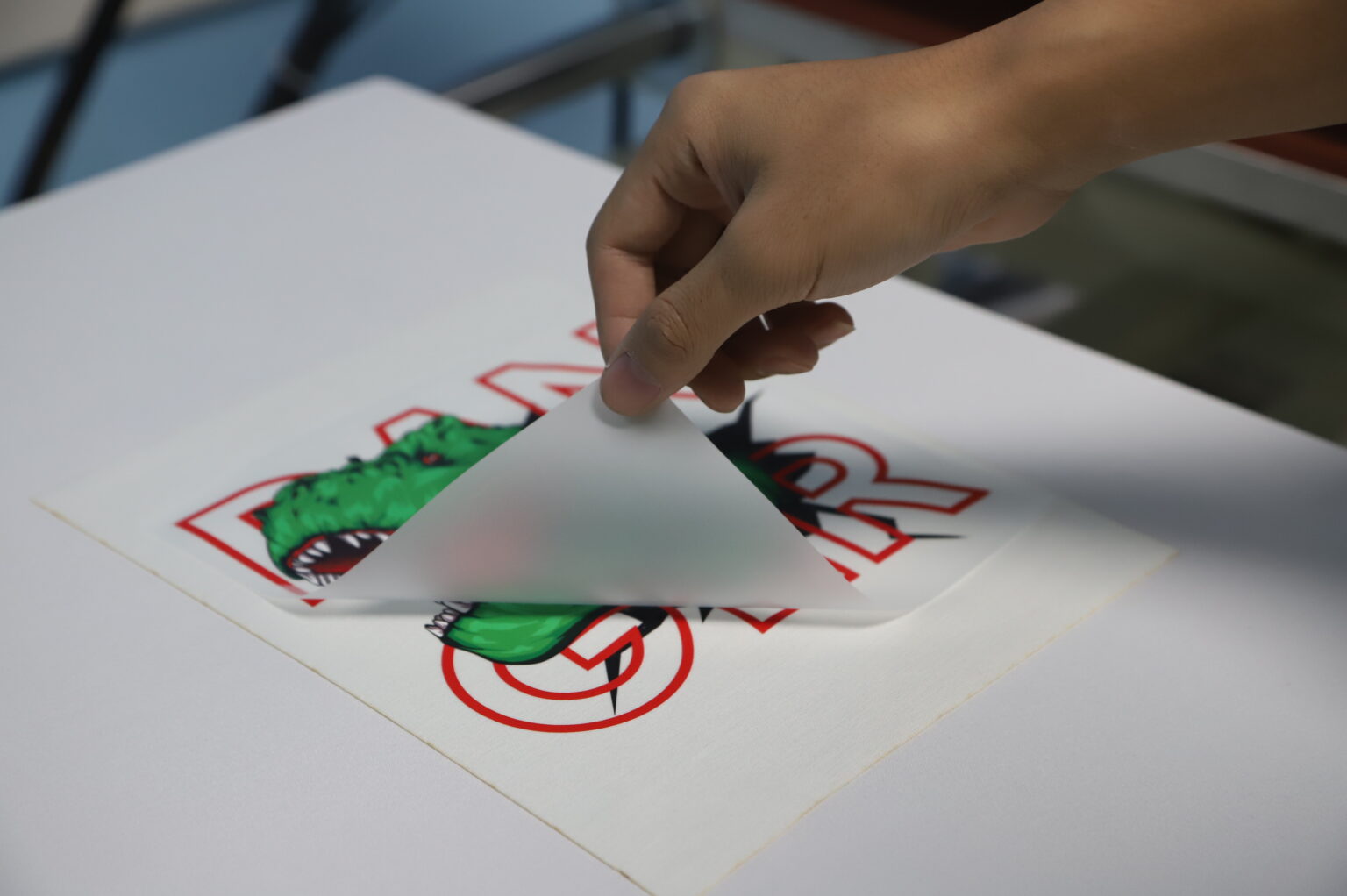
When a Wide Roll Turns Ruthless
Do you feel the room change when a fresh roll goes on—quiet, then suddenly tense? A dtf printer promises scale and speed, but a wide carriage punishes sloppy habits I’ve seen masked for years. At 2 a.m. in a Tiruppur shop, we watched a 50-meter run chew through 18% extra film and two nozzles in one week—what small missteps piled up to make that loss? I hauled our crew to a 48 inch dtf printer after a 30-inch setup buckled during summer rush; it wasn’t bravado, it was math. Wider path, fewer roll swaps, but only if the foundation holds: sane RIP software queuing, honest feed tension, and white ink circulation that doesn’t stall mid-shift (that cough is expensive). I still recall June 2022, Queens—humidity hit 78%, transfer film buckled near the guides, and the curing oven tripped a fault; one careful tension reset and a slower warm-up saved the entire batch.
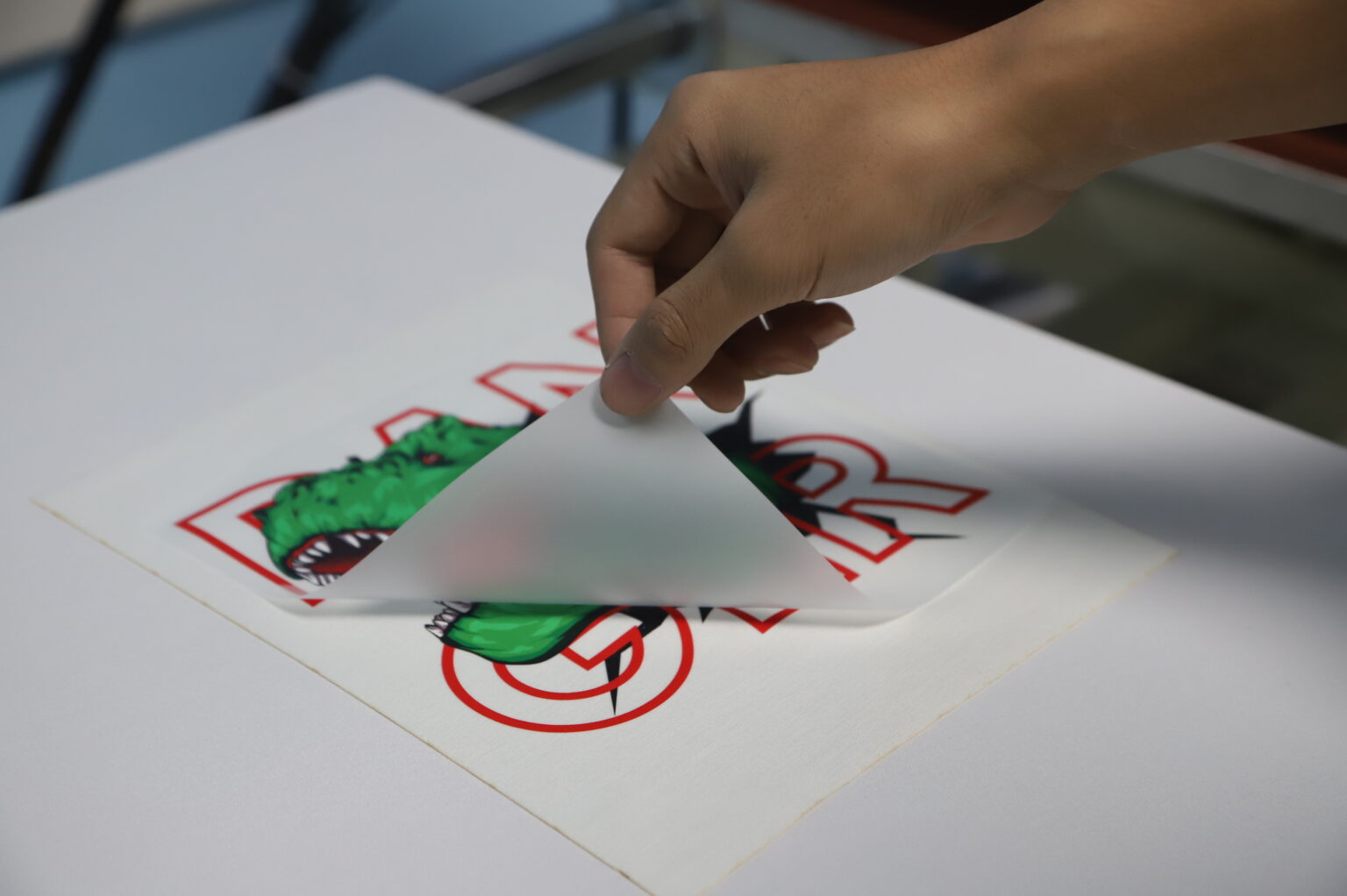
Where does the waste really start?
It starts before the print button. I’ve run these floors for 17 years, and the ugliest loss hides in hand-offs: a rushed ICC tweak, a mislabeled roll core, a queue split that leaves the white underbase misaligned by a hair. On a 30-inch unit, you curse and trim; on the 48, that hair becomes a canyon. In 2019 at the Guangzhou fair, I tested three demos side by side and timed the same neck-label job; the slower unit looked “fine” until we rolled past 25 meters—then micro-banding showed up, and reprints pushed material overage to 12.4%. We fixed the real problem months later by mapping tension drift every 10 meters; boring, yes—but it cut waste to 3.1% and knocked our return calls down 22%. The lesson that stuck with me: wide-format is not a bigger machine; it’s a louder truth-teller. And once you hear it, you can’t un-hear it—nor should you.

Calmer Throughput, Sharper Choices
What’s Next
Looking forward, I weigh a 48 inch dtf printer against mid-width gear by one hard rule: does it keep the line calm when orders spike? The 48 gives you longer, steadier runs and fewer roll breaks—if, and only if, your upstream controls behave. I contrast setups by tracing three pressure points: feed stability under load, white-layer consistency across the belt, and RIP queue latency under a flood of small SKUs. Here’s how I evaluate, no fluff—just what holds when the clock is cruel. First, feed stability: measure lateral wander over 30 meters (±0.8 mm or tighter is my pass line); don’t accept “close enough”—I’ve paid for that shrug. Second, white ink circulation: log uptime over seven full days; anything under 98% hints at clogs waiting to pounce. Third, RIP performance: stack 500 mixed-size jobs and track first-byte-to-fire; if it spikes beyond 7 seconds average, your operators will start improvising—badly. That’s the hinge: fewer improvisations, steadier profit. We’ve burned film on the wrong side of these numbers, and we’ve printed clean on the right side; I keep those logs taped—yes, taped—inside the cabinet. Take the forward path: specify by metrics, audit weekly, and let the numbers do the hard talking. When you’re ready to compare brands with that lens, I’m easy to find at Xinflying.